
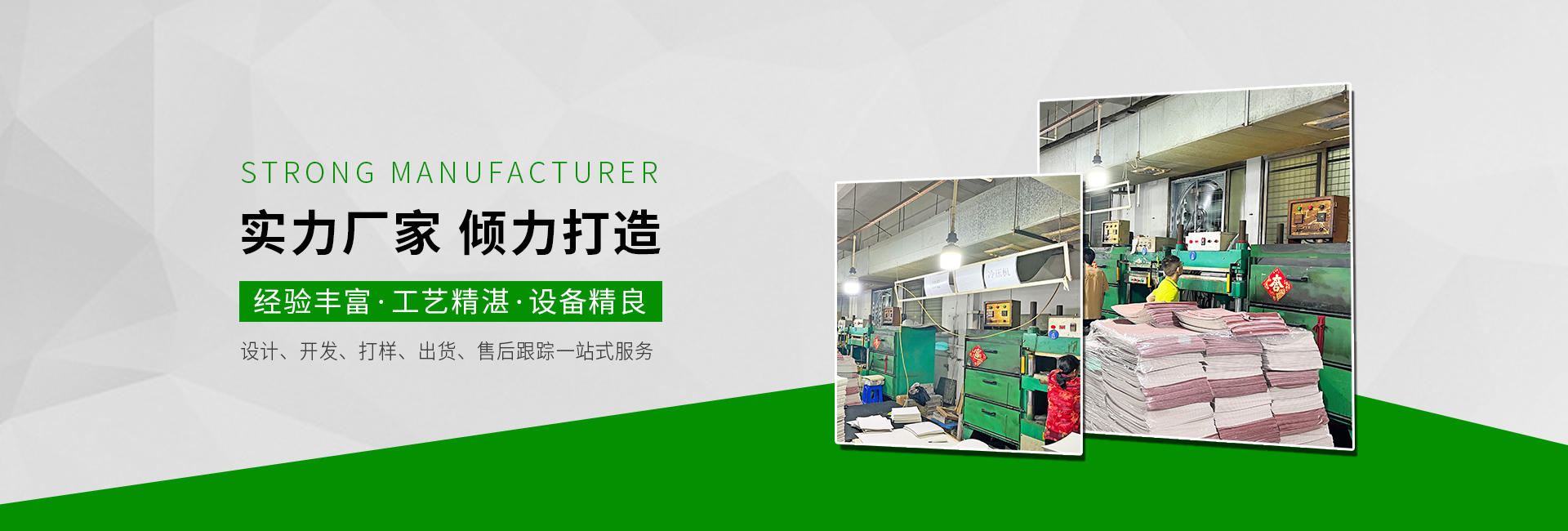
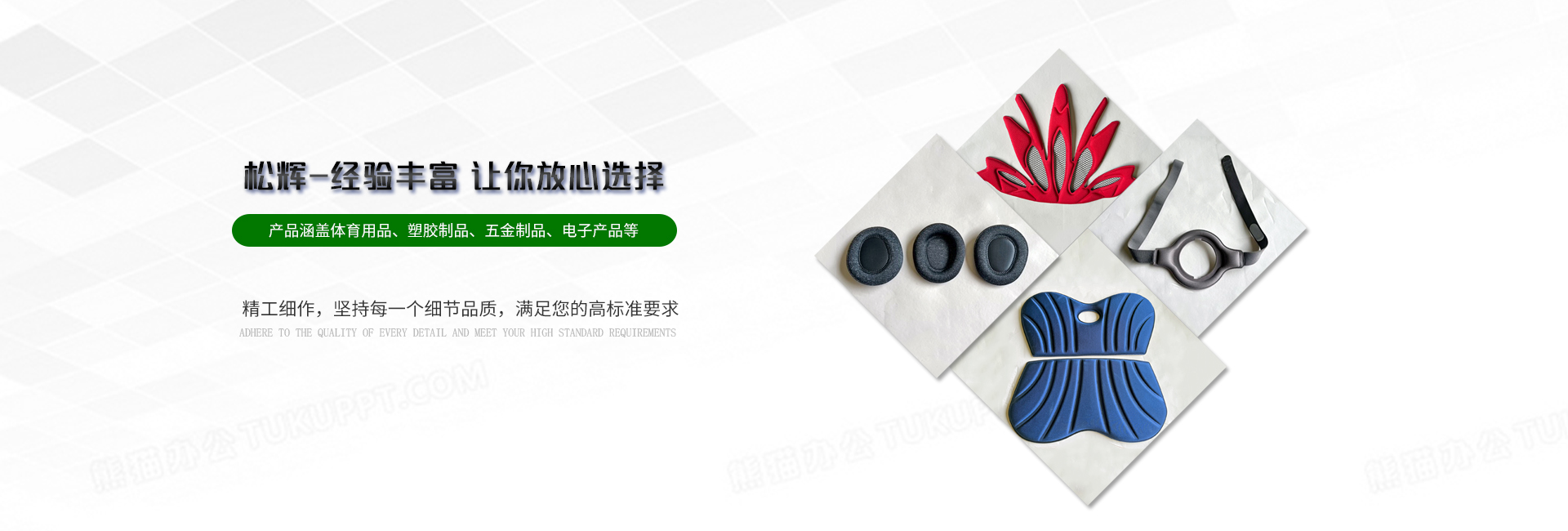


EVA hot pressing is a common shoe-making process that involves heating EVA material to form various shapes of shoe soles, insoles, and other shoe accessories. When performing EVA hot pressing, the following points should be noted:
1. Temperature Control
The heat pressing of EVA materials must be conducted within a specific temperature range, typically between 130°C and 180°C. If the temperature is too low, the EVA material cannot melt and thus cannot form the required shape; if it's too high, the material may burn or deform. Therefore, before the heat pressing process, the temperature of the press must be adjusted according to the type and thickness of the EVA material.
2. Pressure Control
In addition to temperature, proper pressure control is crucial during hot pressing. Insufficient pressure prevents EVA material from fully filling the mold, leading to hollows or incomplete soles or insoles. Excessive pressure can cause the EVA material to crack or deform. Therefore, before hot pressing, the pressure of the machine should be adjusted according to the type and thickness of the EVA material.
3. Mold Design
Mold design significantly impacts the outcome of hot pressing. The shape, dimensions, and surface treatment of the mold must consider the properties of EVA material and the required shape. Improper mold design can lead to inaccuracies in the shape and inconsistent dimensions of the soles or insoles after hot pressing.
4. Selection of EVA Material
Different types and thicknesses of EVA materials require varying temperatures and pressure parameters during hot pressing. Therefore, prior to hot pressing, it is necessary to select the appropriate EVA material based on the required shape and performance specifications.
EVA hot pressing is a process that requires technical expertise and experience, involving precise control and adjustment of temperature, pressure, mold design, and material selection to achieve ideal shaping effects.
