
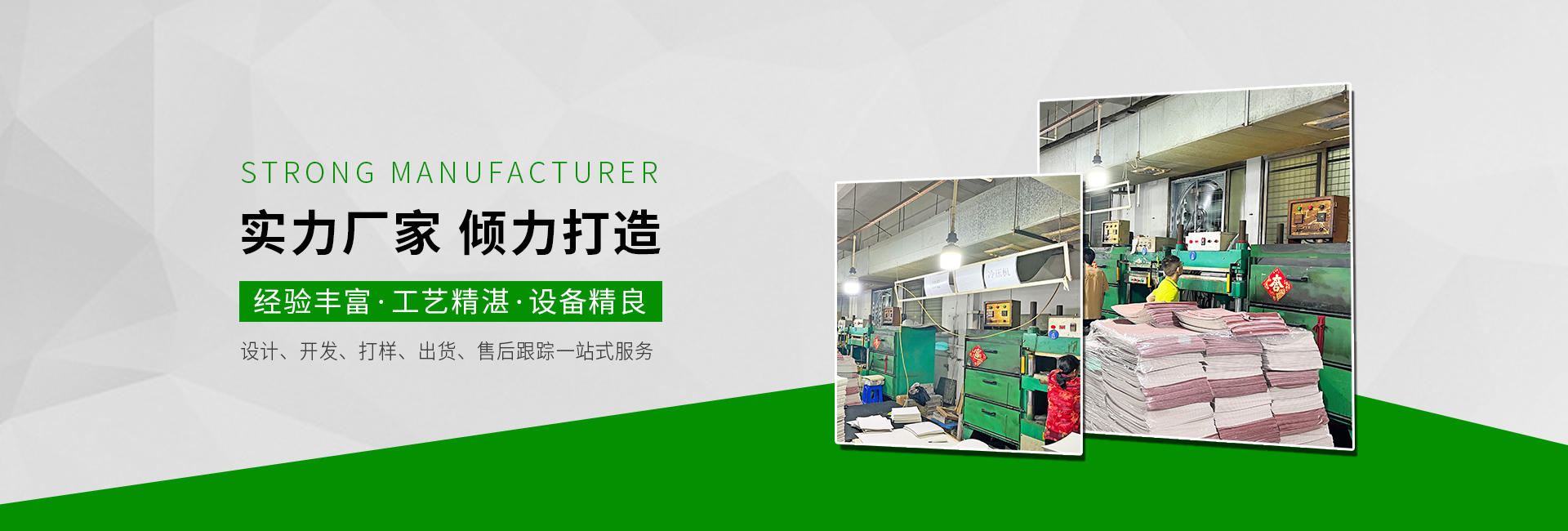


Hot pressing sponge and molding are simple and widespread processing methods in the plastic industry. They primarily involve using heated molds, injecting test material, and then applying pressure to fix the mold onto a heated plate. The melting temperature and time of the test material are controlled to achieve melting, solidification, cooling, and finally, the finished product is removed from the mold.
One: Hot pressing molding can be divided into vacuum molding and compression molding.
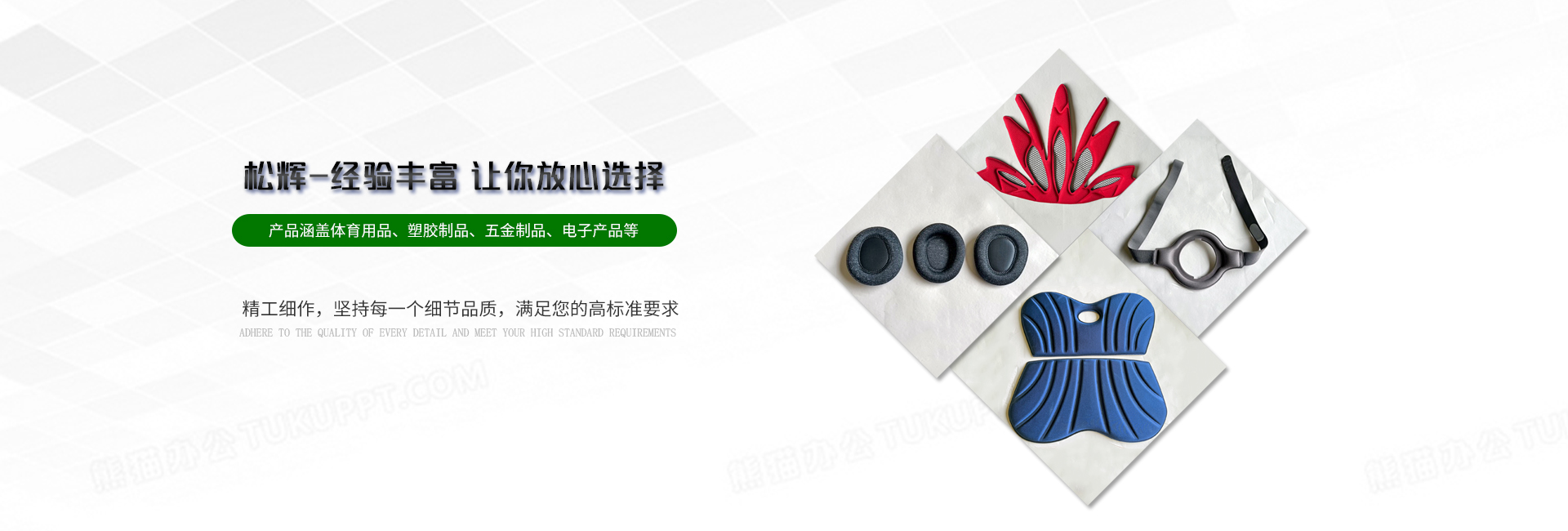
Compression molding involves placing plastic in a mold, heating it to soften, and then applying pressure to shape it. This process boasts advantages such as inexpensive molds and uniform product thickness. Its products range from early aircraft hoods to now including refrigerator door linings, car mud flaps, vehicle undercarriages, soft drinking cups, signage, packaging materials, and other uniformly thick products!
Two of the most important characteristics of hot pressing molding materials are as follows:
Plastic Memory: This property allows plastic to become rubber-like when heated, tightly adhering to molds. It is an essential characteristic of the material. Due to this feature, products with poor shaping can be heated outside the mold to restore them to their original flat state.
(2) Heat Strength and Heat Stretch: Heat strength refers to the residual strength of plastic after being heated. Some plastics lose all their strength and become soft and sticky upon heating, but others retain their strength and resilience. High heat strength plastics can be stretched on molds, but low heat strength plastics will tear easily during stretching!
Note:
Plastic materials require special attention during the hot pressing process, as some may develop inherent plastic memory stresses during shaping, resulting in suboptimal products. Consequently, both the molding temperature and pressure are subject to specific ranges and limitations. Moreover, a certain degree of elongation occurs during hot pressing, necessitating careful consideration of the molding temperature when selecting materials. It is recommended to operate within a narrower range of time and temperature during hot pressing.
