


Beer Box Knowledge
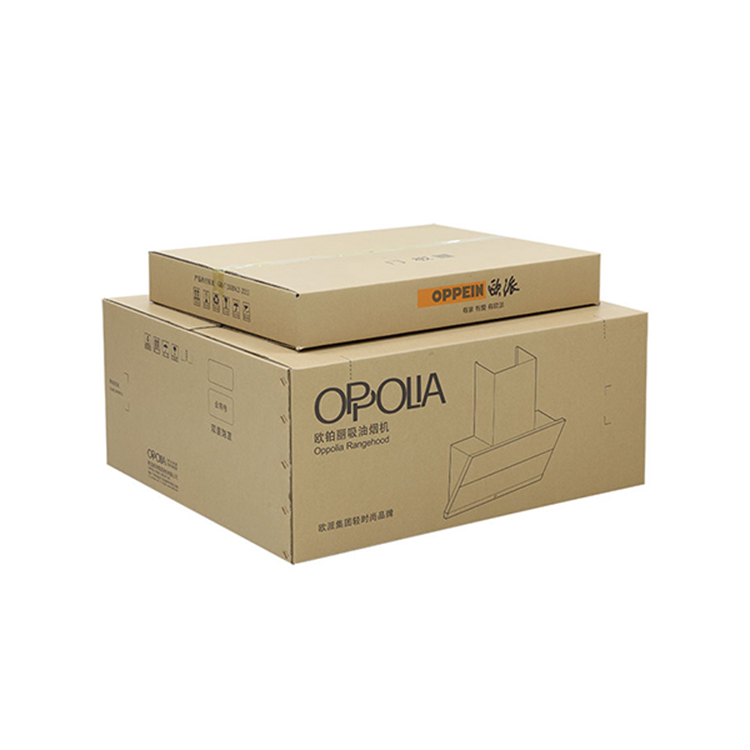
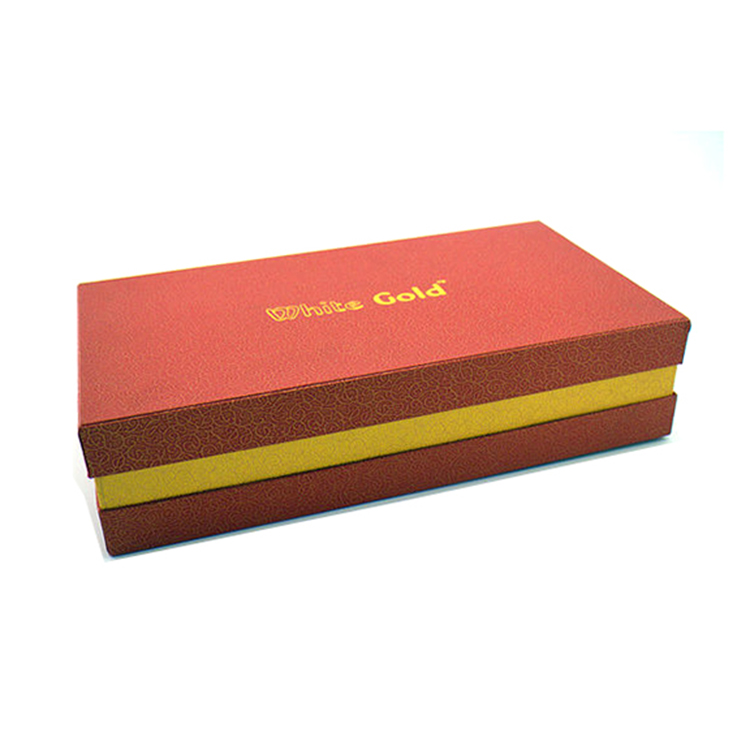
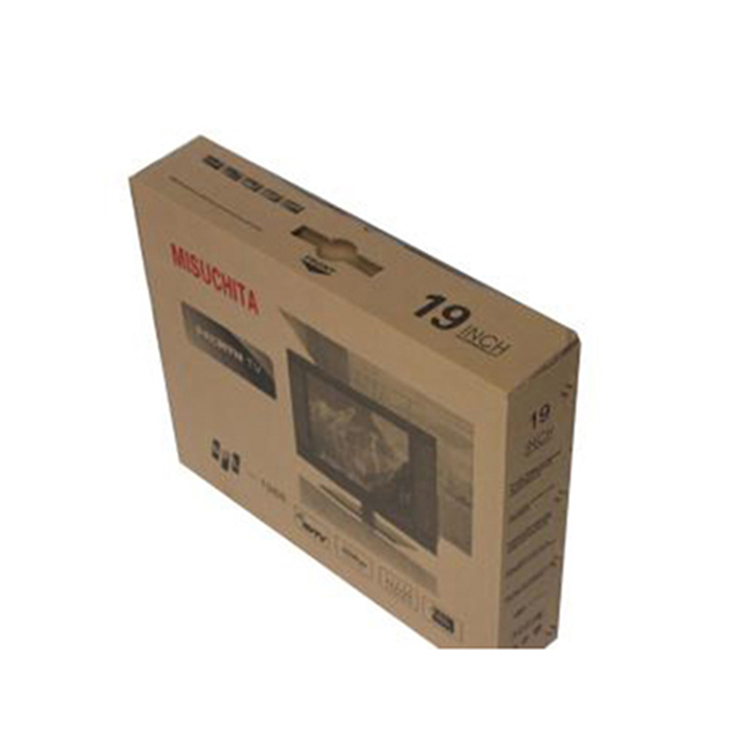
Beer boxes are paper boxes made by pressing and shaping cardboard through a creasing machine, and their main material is corrugated cardboard.
Beer boxes come in various types such as bottom-latching, double-slot, and airplane-style boxes, featuring lightweight design, ease of transportation and storage, and low cost. Each type is utilized for different product packaging based on its unique characteristics.
Manufacturing Process
1. Paper selection: Standard beer box packaging usually employs double copper or matte copper paper, with a weight of 128g, 105g, or 157g. Rarely do beer boxes use packaging over 200g, as thicker paper can cause bubbles during lamination and may appear dull aesthetically. The lamination paper is chosen based on customer requirements, commonly known as gray board or gray card paper.
2. Die Cutting: Today's beer boxes emphasize aesthetic beauty, so the colors of the die-cutting are diverse. Typically, a style of beer box not only has 4 basic colors but also several spot colors, such as gold and silver, which are considered spot colors.
3. Die Cutting is a crucial step in the printing process. Accurate die cutting is essential; if it's not precise, with misalignments or断裂 issues, it will affect subsequent processing.
4. Printing: Beer boxes are only printed on the packaging paper, with no printing on the lamination. At most, they are just dyed. Since beer boxes are outer packaging boxes, the printing requirements are very high, and color discrepancies, ink spots, and off-press issues are highly undesirable as they affect aesthetics.
5. Surface Treatment: The packaging paper for beer boxes usually requires surface treatment, which commonly includes coating with glossy, matte, UV, glossy oil, and matte oil.
6. Mounting, typically, printed materials are mounted after being die-cut, but beer boxes are done the opposite, first die-cut then mounted. This is to avoid damaging the packaging paper and to ensure the overall aesthetic appeal of the beer box, as the mounting paper must be handcrafted to achieve a certain level of beauty.
7. Punch holes where necessary, and for those that don't require punching, wipe the surface adhesive. Then, the goods are ready for packaging and shipment.
