

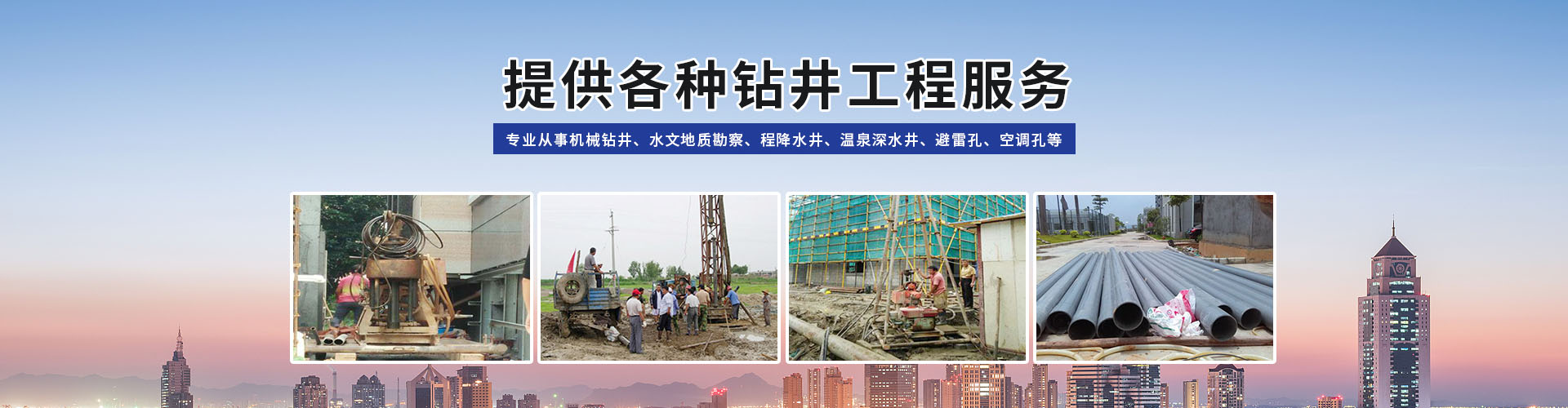

Drilling, being a large-scale engineering project, is characterized by its time-consuming nature and high level of mechanization. Therefore, it is essential to complete certain prerequisite tasks prior to the project's implementation to ensure the smooth progress of well drilling operations and to guarantee the personal safety of the workers.
Before drilling, it's crucial to understand the well's structure. The structure includes a base layer of cobblestones and coarse sand, about 0.5 meters thick, topped with a porous cement board for regular cleaning. The well walls can be constructed from bricks, stones, or similar materials. The wall above the well bottom, about 1 meter high, is surrounded by a 30-60cm thick sand and gravel fill to allow groundwater infiltration; the wall from 1 to 3 meters above the ground should be filled with clay or cement on the outside, and the inside should be smoothed with cement mortar to prevent wastewater from seeping in. The well platform is made of impermeable materials, with a radius of 1-3 meters, to facilitate drainage. The well rim is typically 0.3-0.5 meters above the ground to prevent wastewater splashes and to keep wind-blown debris out, ensuring easy and safe access to water.
Wellheads must be covered, and if possible, repairing well sheds or constructing fences can prevent livestock from approaching the water well. Public wells should have a communal bucket, and the bottom of the bucket should be kept clean. It is recommended to make the wells as sealed as possible, install hand-pumped, foot-pumped, or electric water pumps, which are convenient for fetching water and can prevent contamination.
Well Water Disinfection: Well water must be disinfected with bleaching powder solution, especially during the season of prevalent intestinal infectious diseases when enhanced disinfection is crucial. Typically, disinfection should be performed twice a day, once before morning use and once in the afternoon. If large quantities of water are needed or to control the spread of intestinal infectious diseases, the frequency of disinfection should be increased. To extend the duration of disinfection, some areas use bamboo tubes, plastic bags, and wide-mouth bottles. These containers are suspended in the water, and the disinfectant leaks out through small holes as the water oscillates, providing continuous disinfection for 10-20 days. This method saves labor and ensures consistent disinfection results.
Selecting the well site is crucial; the drilling location must be accurate, and under no circumstances should it be changed halfway through, as it would result in significant losses. How to ensure proper site selection? Consider factors such as water quantity, quality, and ease of protection and use. To prevent contamination, the well should be situated as far upstream as possible from underground water pollution sources, on high ground that does not accumulate water, and at least 20-30 meters away from sources of contamination such as leaking toilets and cesspools.
