
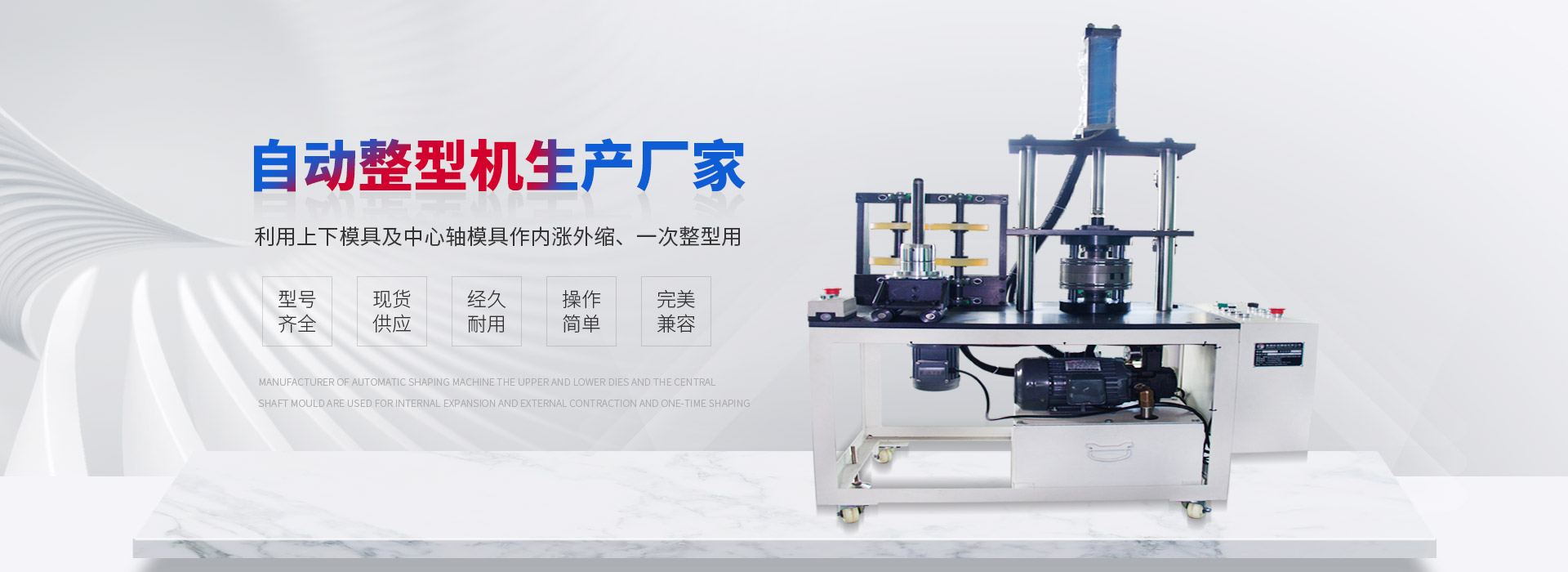


Key Points to Consider When Starting an Automatic Winding Machine: The performance of an automatic winding machine, aside from its power and the technology it can address, is also related to its scrap rate. Additionally, certain characteristics of the machine during startup can affect its long-term reliable operation.
1: Start smoothly; the fully automatic winding machine has a single unit weight of up to 800KG, ensuring stable and continuous operation for extended periods.
2: The torque must be sufficiently large to enable the fully automatic winding machine to overcome the resisting torque and start up.
3: The initiation of current should be as gentle as possible, as the electronic components and circuit boards of the fully automatic winding machine are relatively fragile.
The equipment should be as simple, cost-effective, and easy to operate as possible. Once the fully automatic winding machine is connected to the power source, simply click the green button on the PLC screen to start the machine.
The operation methods of the fully automatic winding machine can be divided into two types: direct start and reduced voltage start. Direct start refers to the fully automatic winding machine being powered directly with additional voltage, also known as full voltage start.
This method of starting is primarily used in situations where the grid capacity is large and the starting current of the fully automatic winding machine will not cause significant voltage drop on the grid.
Typically, fully automatic winding machines with power ratings under 10kW utilize full-pressure start-up. For higher power ratings or when the power supply capacity is insufficient, a reduced-voltage start-up should be chosen.
The methods for reducing voltage starting can be categorized into Y-Δ starting, compensator reduced voltage starting, and extended delta reduced voltage starting. The specific method to be chosen depends on the motor's nameplate and the load condition of the motor.
