
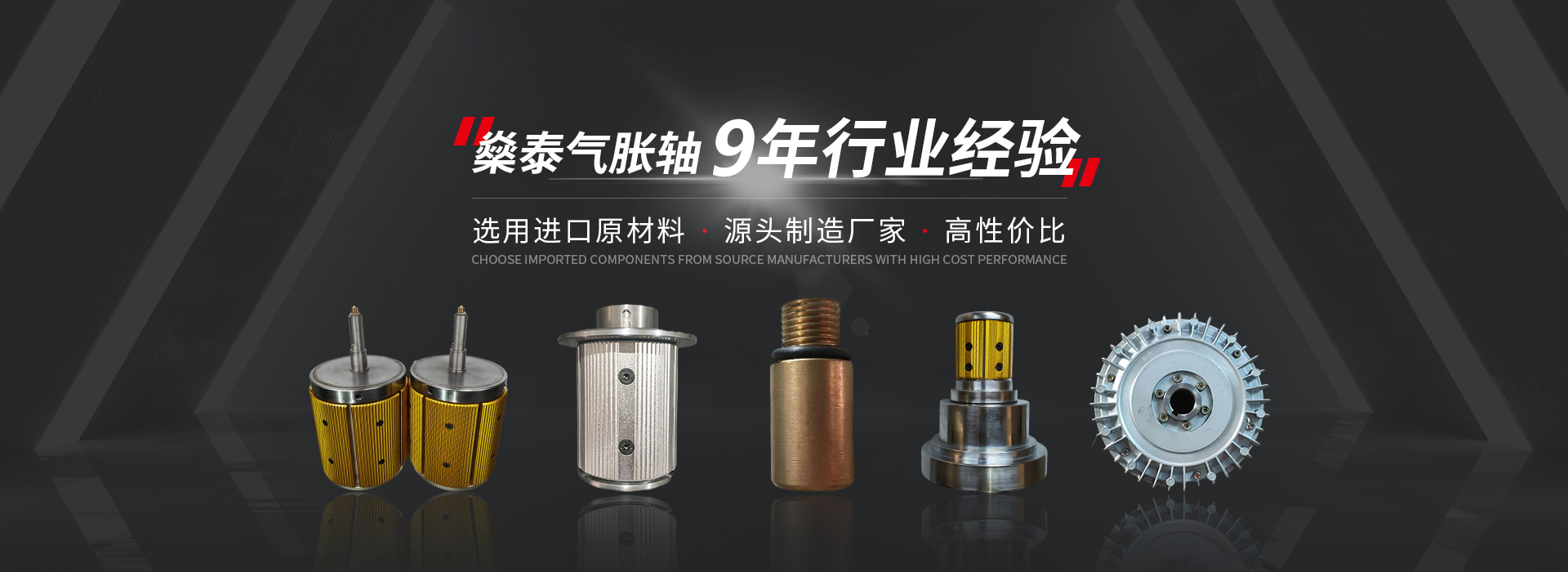


Key-air cylinders can move and fix paper tubes at any position on the shaft surface through inflation and deflation actions. Thus, they have been widely applied. Let's take a look at the key points to consider when installing key-air cylinders:
Familiarize with construction blueprints and on-site conditions to develop a detailed construction plan.
2. Be proficient in the laying, installation methods, techniques, and skills of keyed air-inflated shafts. Understand the precautions during the laying process, such as the bending radius of the air-inflated shaft, the arrangement of laying, and how to enter and exit the electrical distribution box or cabinet, as well as how to pay attention to the elimination of eddy currents.
3. Proficient in the accessories for keyed air-inflated shafts, as well as the installation and usage methods for each accessory.
After the keyed air-inflated shaft is laid, if there are no intermediate joints, you can directly make the terminal head. If there are intermediate joints, they should be made first; otherwise, it will add the麻烦 of phase verification and other work.
5. Familiarize yourself with the tools required for the installation and construction of keyed air-inflated shafts and master their usage methods.
During the installation or after the installation of the keyed pneumatic expansion shaft, it is strictly prohibited to drag or collide the live welding electrode wire on the keyed pneumatic expansion shaft.
7. Understand the structure, performance, and characteristics of keyed air-inflated shafts, as well as the models, specifications, types, and suitable applications of air-inflated shafts.
The copper sheath of the keyed air-inflated shaft can be used for grounding and must be grounded.
9. During the laying and installation process, regularly test the insulation of the keyed pneumatic shaft and address any issues promptly.
