



Set screws and expansion bolts are widely used in metal sheet and equipment housing applications. What is the difference between the two?
1. Differences in Working Principles
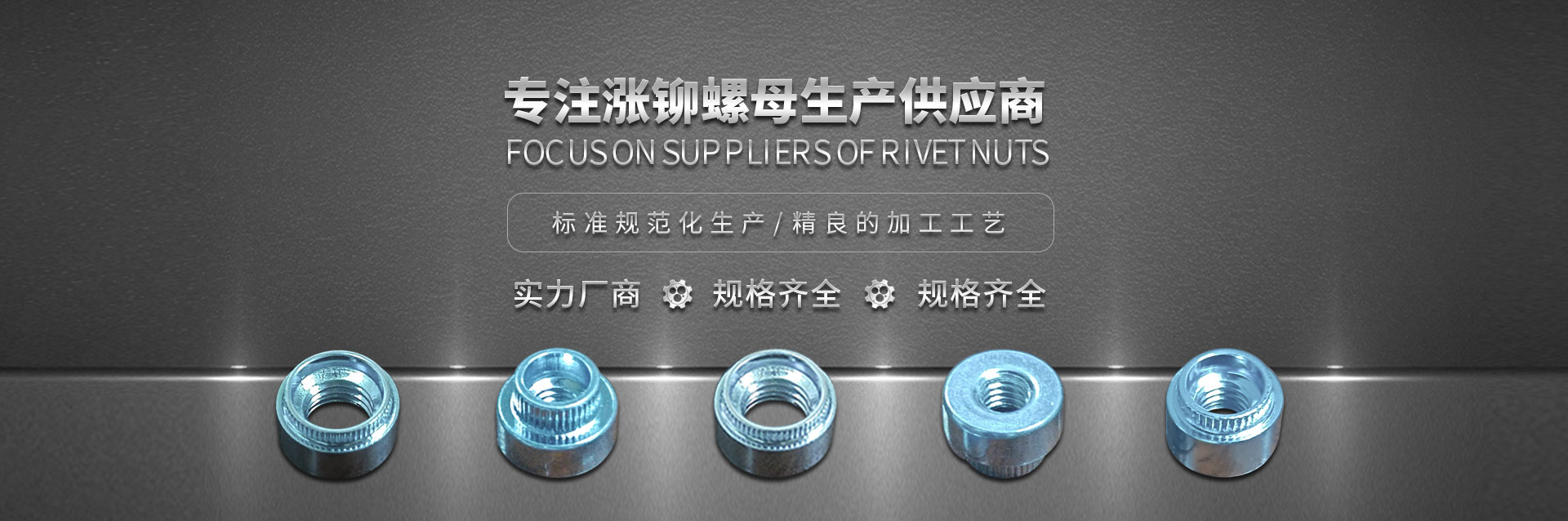
Press-nut: The press-nut is inserted into the pre-drilled holes of the sheet metal by pressing the embossed teeth. Generally, the diameter of the pre-drilled holes is slightly smaller than the embossed teeth of the press-nut. Through pressure, the embossed teeth of the press-nut are forced into the board, causing the peripheral edges of the hole to undergo plastic deformation. The deformed material is then pushed into the guide groove, thereby achieving a locking effect.
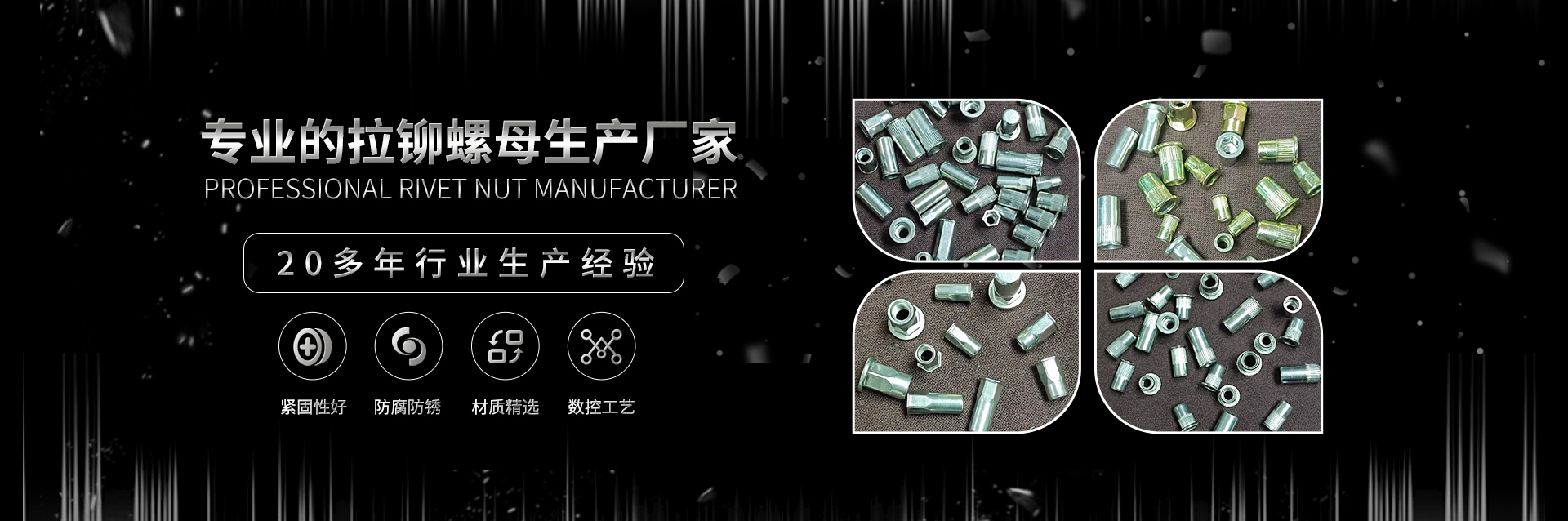
Expansion bolts: Installed on metal plates, they expand the rivet interface to securely fasten it to the board.
2. Model Variations
The types of press-nut bolts include: S press-nut bolts, CLS press-nut bolts, and SP press-nut bolts.
Rivet Nut Models: Round Rivet Nut, Hex Rivet Nut.
3. Intensity
The strength of the rivet nut is stronger than that of the press nut.
4. Anti-selectivity
The pressed rivet nut exhibits good anti-turn properties; the expanded rivet nut has poor anti-turn and anti-rotation capabilities.
5. Application Fields
Press-fitted nuts are more prone to be applied in high-end precision equipment and instruments compared to rivet nuts.
