
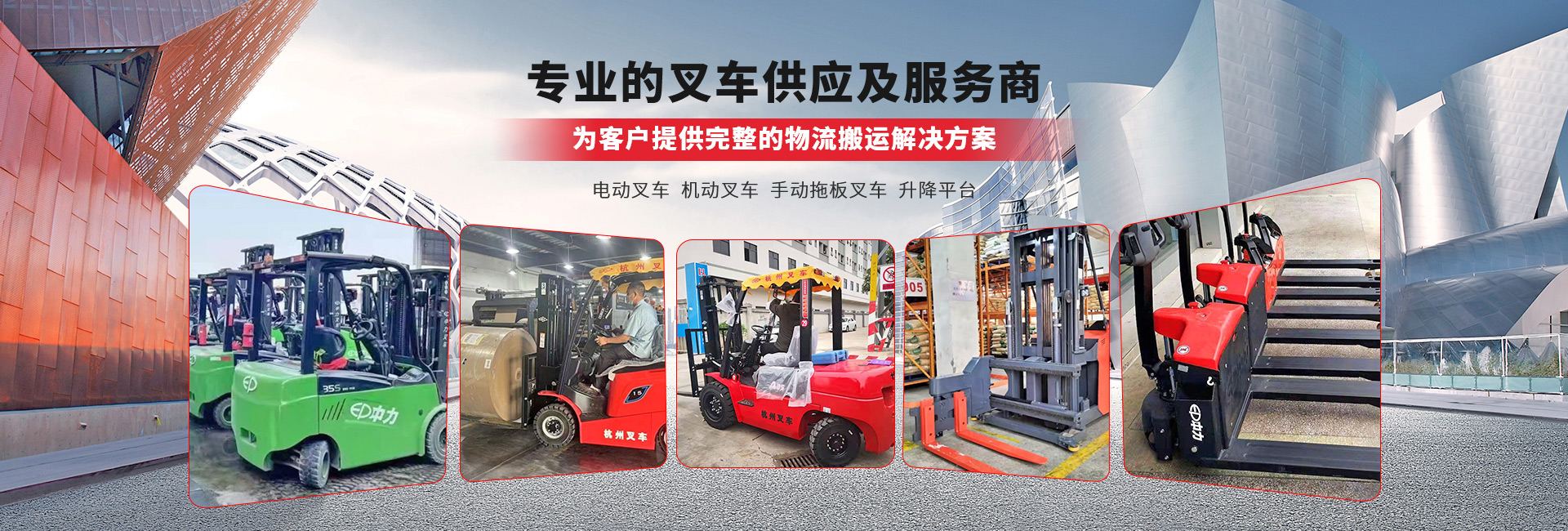
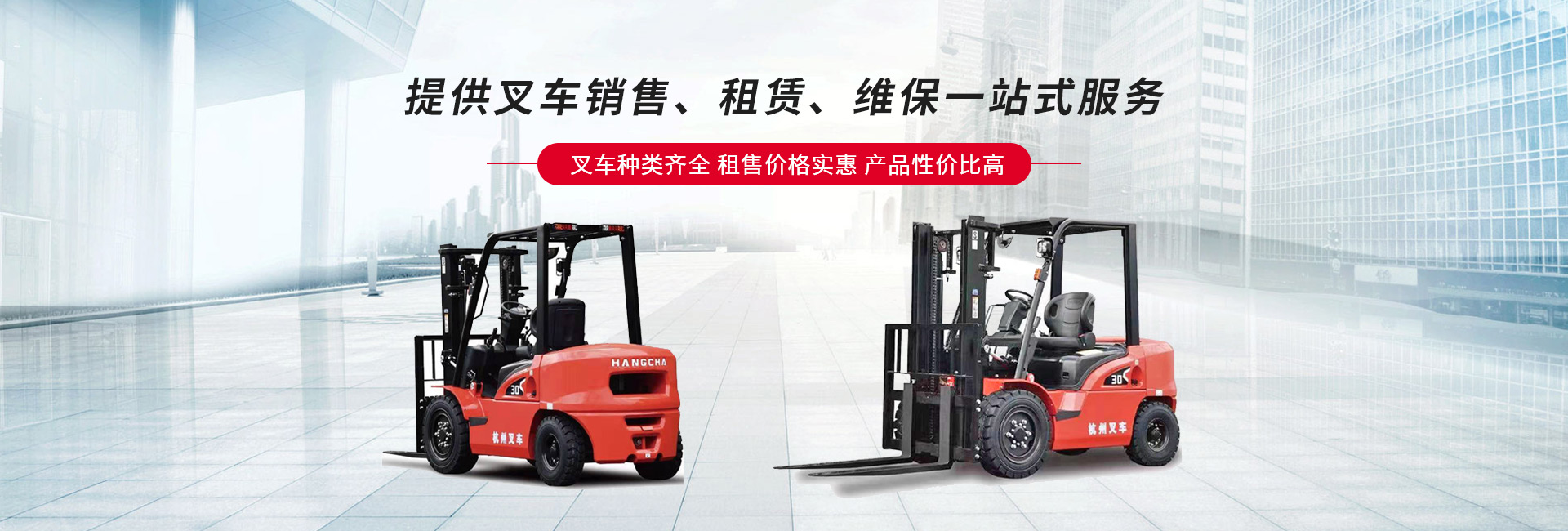

The forklift, as an essential piece of equipment for material handling and warehousing in various industries, has become an indispensable tool in the logistics sector. It plays a crucial role in the logistics system, serving as the primary means to mechanize logistics operations, alleviate the labor intensity of workers, enhance operational efficiency, and reduce warehousing and logistics costs. Forklifts are widely utilized in the logistics field, improving cargo handling processes and freeing up human labor.
The fork lift's working part directly bears the full weight of the cargo, serving as the direct working mechanism for picking up and lifting goods. It consists of the working device for loading and unloading operations and the hydraulic transmission system for operating the device. According to the requirements of design, manufacturing, and different working environments, the equipment comes in various structural forms. The fork lift is a fork-shaped component for directly loading goods, which is inserted into the fork frame via hooks. The distance between the forks can be adjusted according to operational needs and locked by a positioning device. The fork frame is a structural component made of steel plates, equipped with roller sets. It has upward and downward slot tracks inside the inner door frame. The connection method of the fork frame is the same as that of the inner door frame, and it can only move up and down along the track of the outer door frame.
The lift cylinder of the forklift is positioned at the bottom of the outer frame beam, with its top connecting to the inner frame beam and a sprocket. One end of the lift chain is attached to the bottom of the outer frame, while the other end loops around the sprocket to connect with the fork carriage, pushing the piston rod into the hydraulic cylinder. The piston rod moves upwards at a speed of v, driving the sprocket and inner frame beam to rise at the same speed v. Due to the principle of the movable pulley, the chain pulls the fork carriage at a speed of 2v. At the end of the hydraulic cylinder's stroke, the inner frame is above the outer frame, and the fork carriage is above the inner frame. When releasing pressure, the load or forks, etc., fall under their own weight. The inner frame is a welded frame structure composed of two trough-shaped columns and beams. It is hinged at the bottom to the electric forklift's drive bridge and, with the help of the tilting hydraulic cylinder, allows the frame to tilt forward and backward by a certain angle. The forward tilt facilitates loading and unloading, while the backward tilt prevents the load on the forks from sliding off during the forklift's movement.
