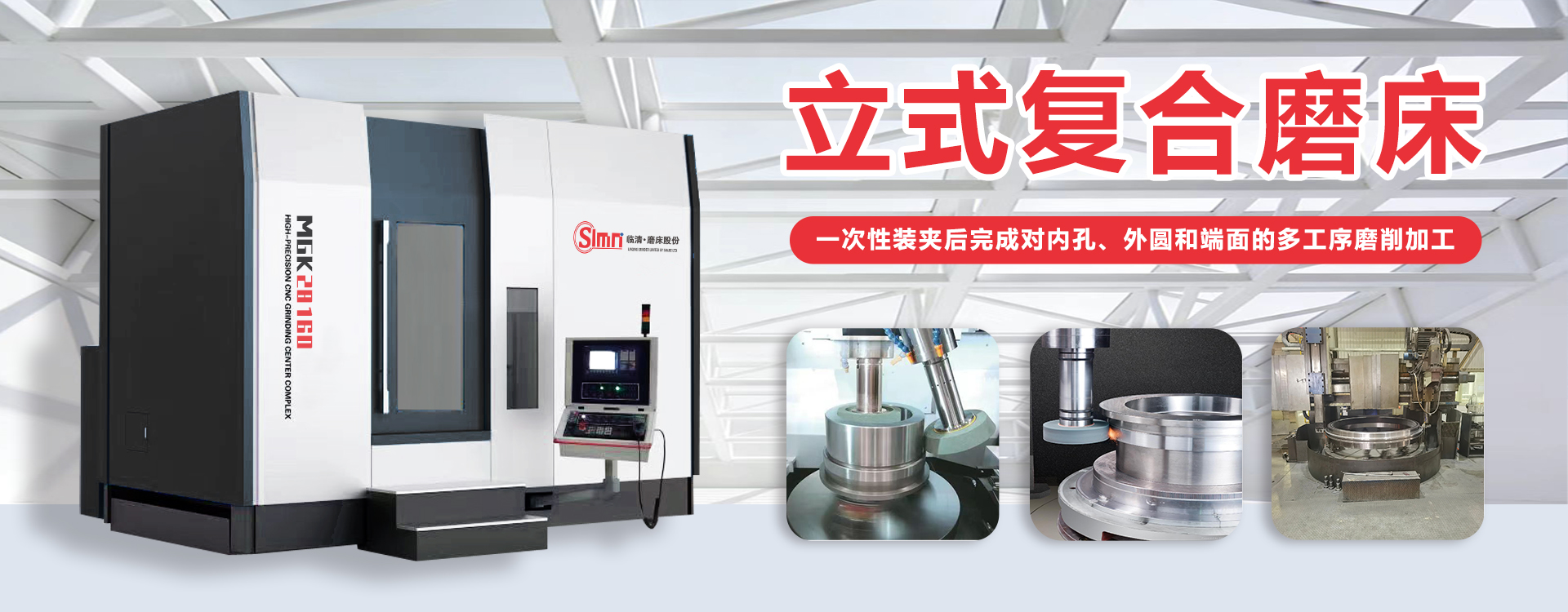
Vertical grinding machine, Vertical compound grinding mac...

The precision control of the milling machine is achieved through a combination of precise hardware, software, and process measures. The following are several key aspects for achieving precision control in milling machines:
High-Precision Equipment Foundation
Machine Tool Structural Design: The milling and grinding machine features a high-strength bed, worktable, and spindle, among other critical components. These parts undergo precise machining and rigorous quality inspections to ensure the overall rigidity and stability of the machine tool. The geometric dimensions and shape accuracy of the machine tool directly impact the precision of the workpiece being processed, thus requiring the design and manufacturing to meet high-precision standards.
Transmission System: The precision of the transmission system significantly impacts the machining accuracy of machine tools. The milling machine employs high-precision transmission components and mechanisms, such as ball screws and precision bearings, to minimize transmission errors and enhance precision.
Advanced CNC Systems
Computer Numerical Control Programming: Advanced CNC systems enable precise control over the machining process of milling and grinding machines. Programmers develop accurate processing programs based on the shape, size, and processing requirements of the workpiece, including tool paths, cutting speeds, and feed rates. The CNC system accurately controls the movement of the machine tools according to the program instructions, ensuring machining accuracy.
Real-time Feedback and Adjustment: The CNC system also features real-time feedback capabilities, enabling it to monitor the machine tool's processing status in real-time, such as cutting forces and vibrations. Should any anomalies be detected, the CNC system adjusts immediately to maintain the stability and accuracy of the processing process.
High-quality cutting tools and fixtures
Tool Selection: The material, geometric shape, and edge quality of cutting tools directly impact machining accuracy. During the machining process, it is essential to choose the appropriate cutting tools for the workpiece material and processing requirements to ensure the stability and accuracy of the cutting process.
Fixture Design: The design and use of workpiece fixtures are also critical. Fixtures must possess high rigidity and precision to securely hold the workpiece and prevent displacement or deformation during the machining process. Additionally, the installation and adjustment of the fixture must be accurate to ensure the position precision of the workpiece throughout the machining.
4. Rigorous production management and process control
Environmental Control: Factors such as temperature, humidity, and cleanliness in the processing workshop can also impact processing accuracy. Therefore, strict control over the workshop environment is required during the milling and grinding process to ensure stability and precision in the manufacturing process.
Process Optimization: By continuously refining machining processes, such as adjusting cutting parameters and improving machining paths, the precision of the milling machine can be further enhanced. Additionally, regular maintenance and care of the machine tools to keep them in good condition are crucial measures to ensure machining precision.
In summary, the precision control of milling machines is a systematic project that requires comprehensive consideration and implementation across various aspects, including equipment, CNC systems, tool holders, and production management. Only through this approach can high-precision machining of milling machines be achieved, meeting the demands of modern manufacturing for products with high precision.


b2b.china9.net © Zhongshang 114 Hebei Network Technology Co., Ltd.Address: Room 6009, Oriental New World Center, No.118 East Zhongshan Road, Qiaoxi District, Shijiazhuang City, Hebei ProvincePlatform Service Hotline: 4006299930