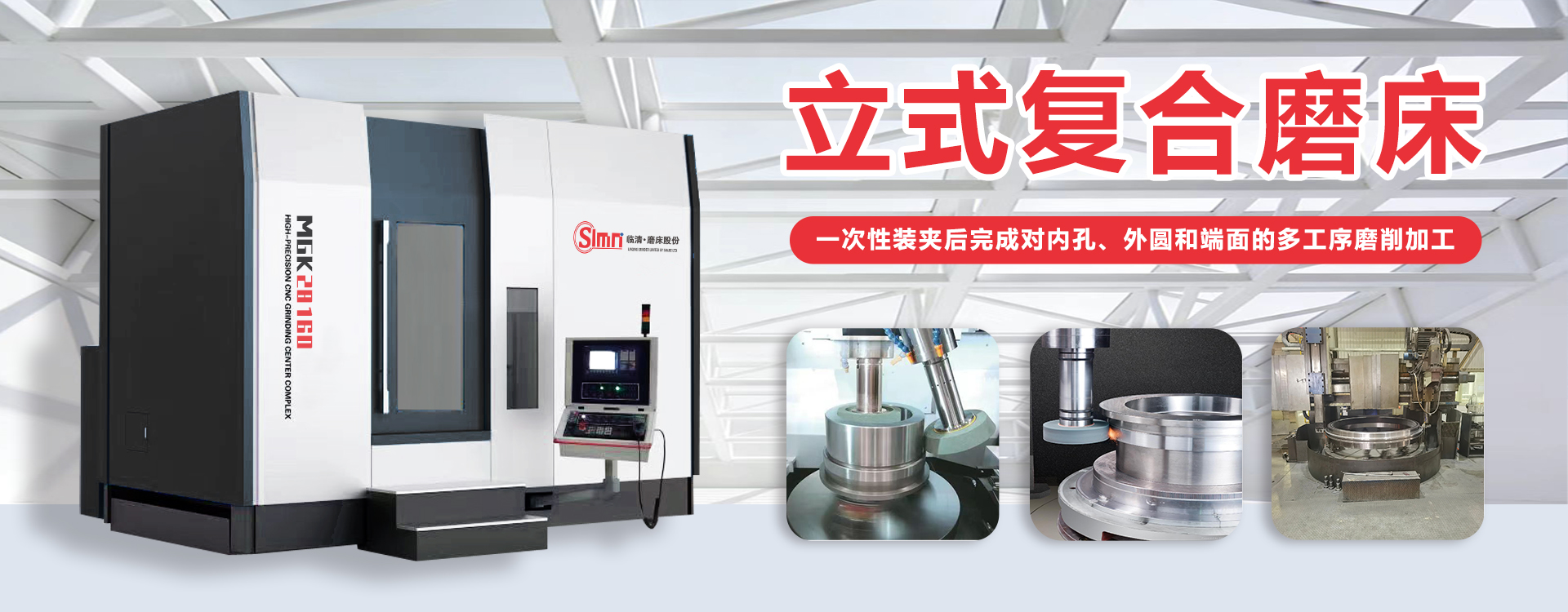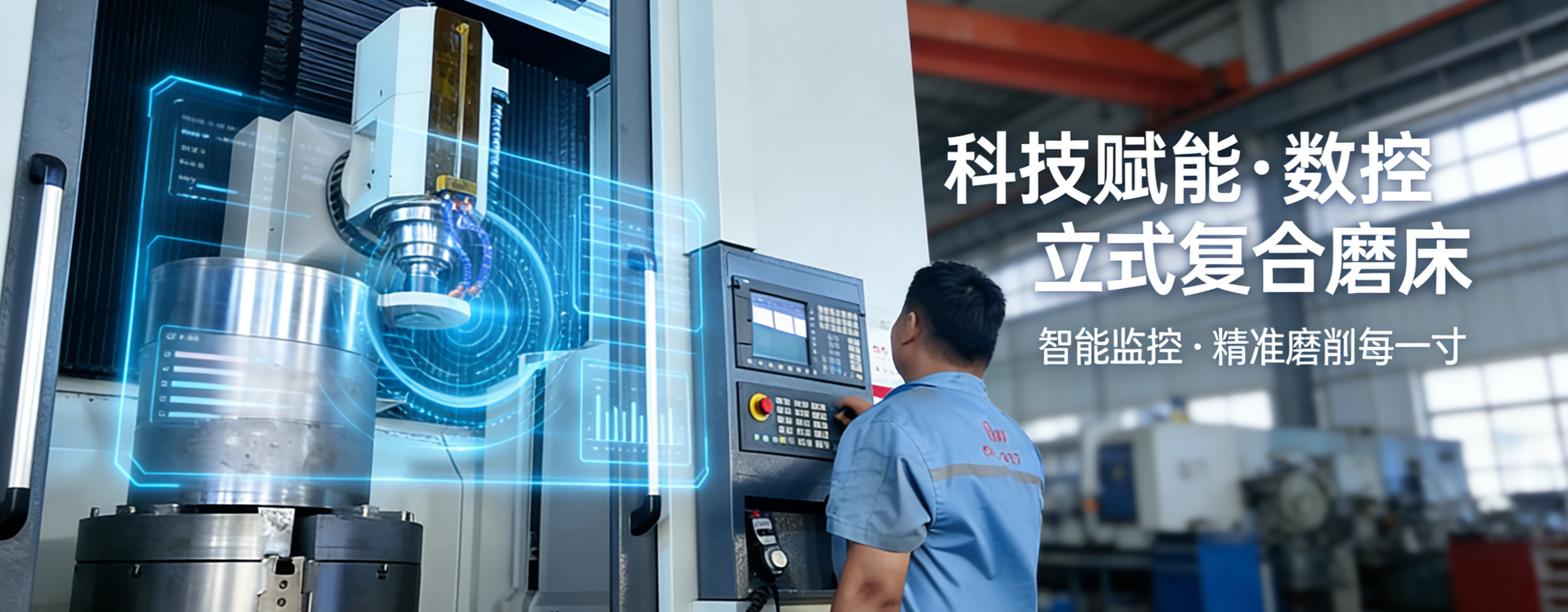
Vertical grinding machine, Vertical compound grinding mac...

Multiple factors determine the machining size of milling machines, which collectively decide the wide range of workpiece sizes that the milling machines can handle. The following are some of the main determinants:
Equipment Design and Structure
Workbench Size: The workbench is a platform for placing workpieces and conducting processing, with its dimensions directly affecting the maximum size of workpieces that can be processed. Larger workbenches can accommodate bigger workpieces, offering more spacious processing areas.
Spindle and Tool Magazine: The power and speed of the spindle, as well as the capacity and type of the tool magazine, will also limit the size of the workpiece. For instance, a high-power spindle can handle thicker materials, while a multi-functional tool magazine allows for the use of more types of cutting tools.
Machine Tool Rigidity and Stability: The overall rigidity and stability of machine tools are crucial for processing large-sized workpieces. Insufficient rigidity can lead to vibrations during the machining process, affecting the precision and surface quality of the work.
2. Technical Specifications and Parameters
The machining range: Technical specifications of equipment typically clearly indicate their machining range, including large machining diameters, heights, and depths. These parameters directly limit the size of workpieces that the milling machine can handle.
Control System Performance: Advanced CNC systems offer more precise control and wider processing capabilities, which in turn influence the processing dimensions to some extent.
3. Material and Process Requirements
Workpiece Material: The difficulty of processing and the required cutting force vary with different materials, which can affect the stability of the milling machine during processing and the wear of the cutting tools. Therefore, the material of the workpiece is also an important factor in determining the processing size.
Process requirements: The technical requirements such as machining accuracy and surface roughness will also affect the machining dimensions. High-precision processes may require more sophisticated machinery and stricter control of processing parameters.
4. Manufacturer & Brand
Manufacturer's Technical Strength: There are differences in the technical capabilities and equipment quality among manufacturers, which is also reflected in the machining dimensions. Manufacturers with strong technical capabilities can produce milling machines with a broader range of processing and higher precision.
Brand Reputation and After-Sales Service: Brand reputation and after-sales service are also factors to consider when choosing a milling machine. Renowned brands typically offer more reliable equipment quality and more comprehensive after-sales service guarantees.
In summary, the determining factors for the machining dimensions of milling machines are multifaceted, including equipment design and structure, technical specifications and parameters, material and process requirements, as well as manufacturers and brands. When selecting a milling machine, users should consider and evaluate comprehensively based on their actual needs.


b2b.china9.net © Zhongshang 114 Hebei Network Technology Co., Ltd.Address: Room 6009, Oriental New World Center, No.118 East Zhongshan Road, Qiaoxi District, Shijiazhuang City, Hebei ProvincePlatform Service Hotline: 4006299930