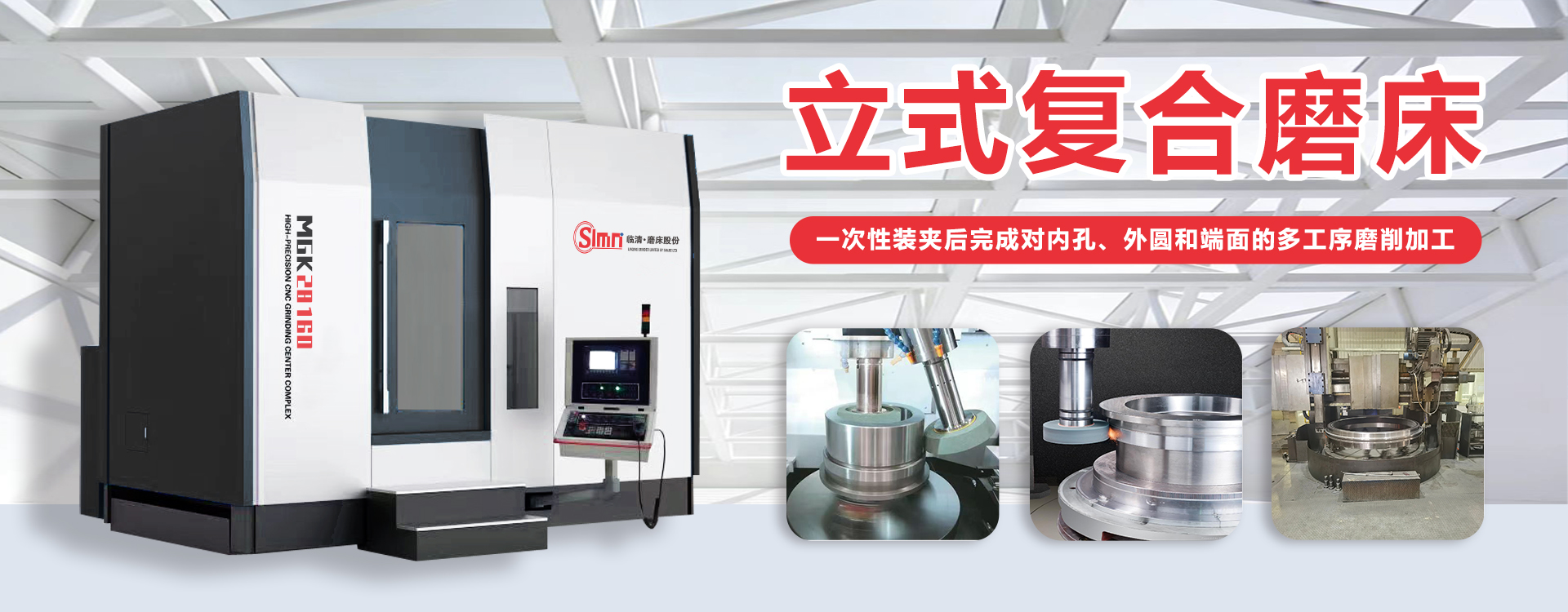
Vertical grinding machine, Vertical compound grinding mac...

The spindle speed range of a milling machine is a relatively flexible and variable parameter, influenced by a variety of factors including, but not limited to, the material being machined, workpiece dimensions, precision requirements, tool type, and the machine's own performance. Therefore, it is difficult to provide a unified and fixed speed range. However, based on general experience and industry practices, we can summarize and discuss an approximate range for the milling machine spindle speed.
Raw and finished processing spindle speed range
During the rough machining process, the spindle speed is typically set relatively low to quickly remove large amounts of material, reducing cutting forces and heat, while ensuring tool durability. Depending on the material and process requirements, the spindle speed range for rough machining can vary from a few hundred to several thousand revolutions per minute (rpm). For instance, in drilling rough machining, the spindle speed might be set at 200-400 rpm; however, in sawing or milling rough machining, the speed range may be higher, reaching 1000-3000 rpm or more.
Compared to rough processing, the finishing process demands higher precision and surface quality, thus the spindle speed is typically set higher to achieve smaller cutting steps and smoother finishing surfaces. The spindle speed range for finishing can vary from a few thousand RPM to tens of thousands of RPM. For instance, in drilling finishing, the spindle speed might increase to 400-1000 RPM; whereas in milling or grinding finishing, the speed range can be even higher, reaching 3000-6000 RPM or 4000-8000 RPM, and even beyond.
Special Applications & High-End Machining Equipment
Please note that the above speed range is for general reference only. In actual applications, especially when processing parts with specific materials, complex shapes, or high precision requirements, the spindle speed may need to be adjusted according to specific circumstances. Additionally, with the continuous development of machine tool technology, some high-end milling and grinding machines have already achieved higher spindle speeds and more accurate processing control to meet more stringent processing demands.
Conclusion
In summary, the spindle speed range of a milling machine is a relatively broad and variable parameter, influenced by various factors. When selecting the spindle speed, a comprehensive consideration and balance should be made based on factors such as the material being processed, part size, required precision, and the machine's own performance. Moreover, with the continuous advancement of technology and optimization of processes, the spindle speed range is also expected to be further expanded and improved.


b2b.china9.net © Zhongshang 114 Hebei Network Technology Co., Ltd.Address: Room 6009, Oriental New World Center, No.118 East Zhongshan Road, Qiaoxi District, Shijiazhuang City, Hebei ProvincePlatform Service Hotline: 4006299930