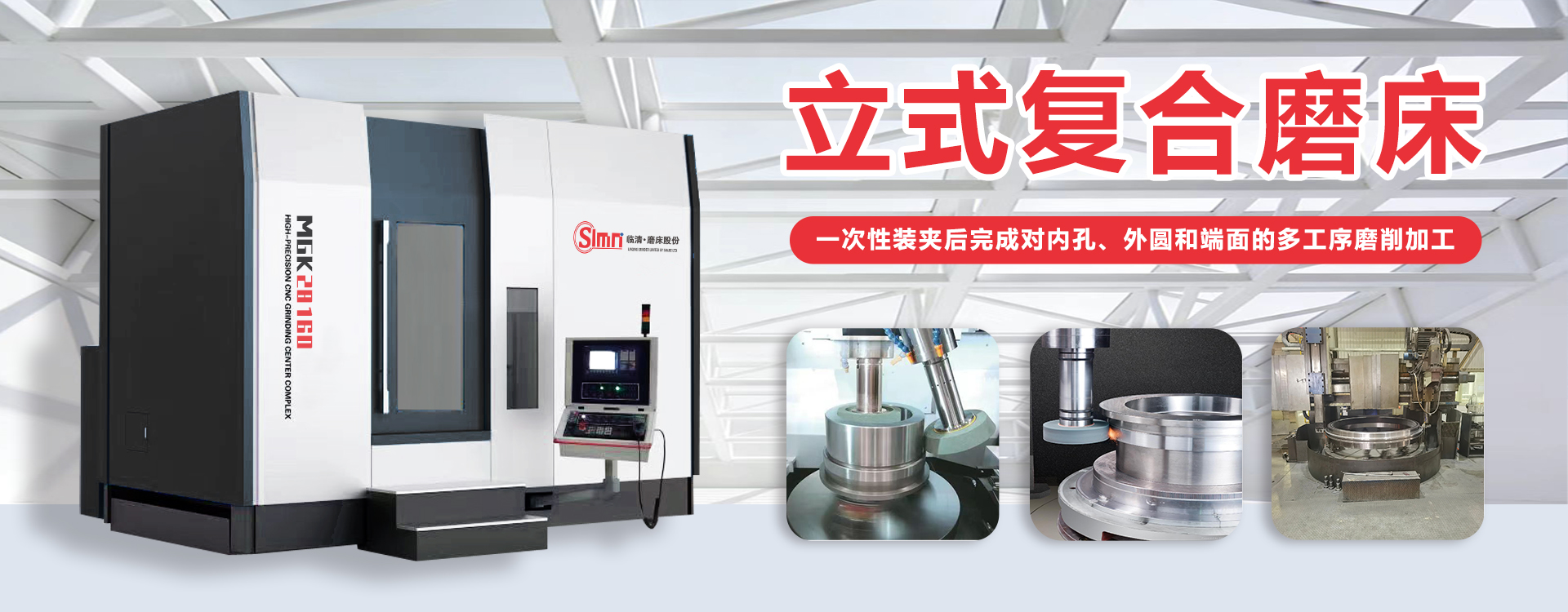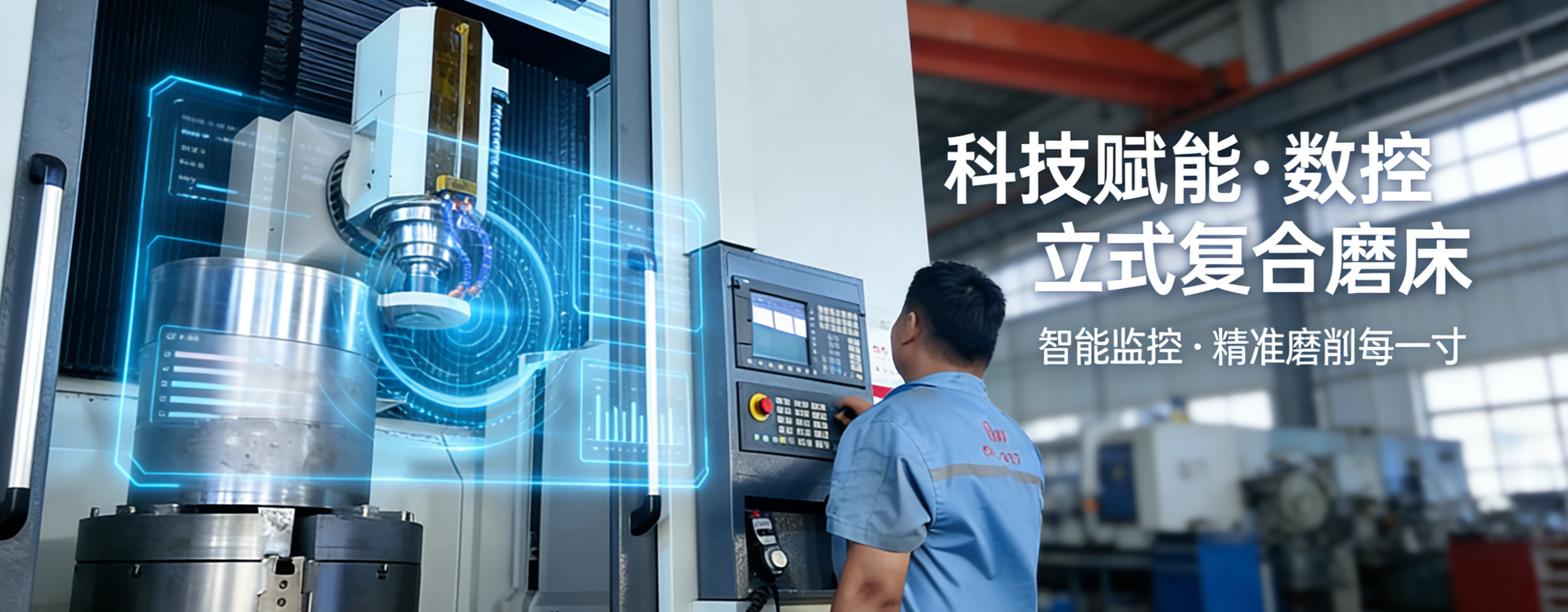
Vertical grinding machine, Vertical compound grinding mac...

The fault diagnosis method for the卧轴圆台平面磨床 is a systematic and meticulous process, primarily involving the following steps:
Observe the fault phenomenon
Firstly, closely observe the fault phenomena that occur during the operation of the grinding machine, such as decreased grinding accuracy, unstable movement of the worktable, rapid wear of the abrasive wheel, overheating of the motor, and hydraulic system failures. These phenomena are important bases for diagnosing faults.
2. Monitor equipment operational sounds
The sound emitted by equipment during operation is also a crucial means of assessing its condition. By listening to the sounds produced by the equipment, one can initially determine if there are any issues such as abnormal wear, loosening, or impacts in the mechanical components.
3. Inspect gauge readings
Modern grinding machines are typically equipped with various instruments, such as pressure gauges, thermometers, and ammeters, which are used to monitor the equipment's operational status. Checking the readings of these instruments allows for the acquisition of the current parameters like pressure, temperature, and current, thereby enabling the determination of any potential malfunctions in the equipment.
4. Analyze the Cause of the Failure
Based on observed failure phenomena, the sounds of the equipment in operation, and the readings from the instruments checked, combined with an understanding of the equipment's structure and working principle, the potential causes of the failure are analyzed. This requires a deep knowledge of the grinding machine's structure, operating principle, and common failures.
5. Gradual inspection
After determining the general cause of the malfunction, it is necessary to systematically investigate specific fault points. During the investigation, it is important to follow the principle of tackling simpler issues first, and then move to more complex ones, starting with components that are easier to inspect and progressively delving into the interior of the equipment. For instance, one should first check the wear condition of the grinding wheel and whether the trimming is correct, followed by inspecting the wear of mechanical components such as the guide rail, screw, and bearing, and then checking the electrical and hydraulic systems.
6. Maintenance and Replacement
Once the specific fault point is identified, corresponding repair measures are taken based on the nature and severity of the fault. For heavily worn parts, timely replacement is required; for damaged electrical components, new parts need to be replaced; for hydraulic system failures, leaks must be checked and repaired, and coolers need to be cleaned.
7. Trial Runs and Inspections
After the repair is completed, a trial operation must be conducted to verify the effectiveness of the repair. Additionally, precision testing is required to ensure the grinding machine is restored to normal working condition.
By following these steps, a systematic diagnosis and elimination of faults in the horizontal boring and facing machine's spindle taper plane grinding can be achieved, ensuring the normal operation of the equipment.


b2b.china9.net © Zhongshang 114 Hebei Network Technology Co., Ltd.Address: Room 6009, Oriental New World Center, No.118 East Zhongshan Road, Qiaoxi District, Shijiazhuang City, Hebei ProvincePlatform Service Hotline: 4006299930