
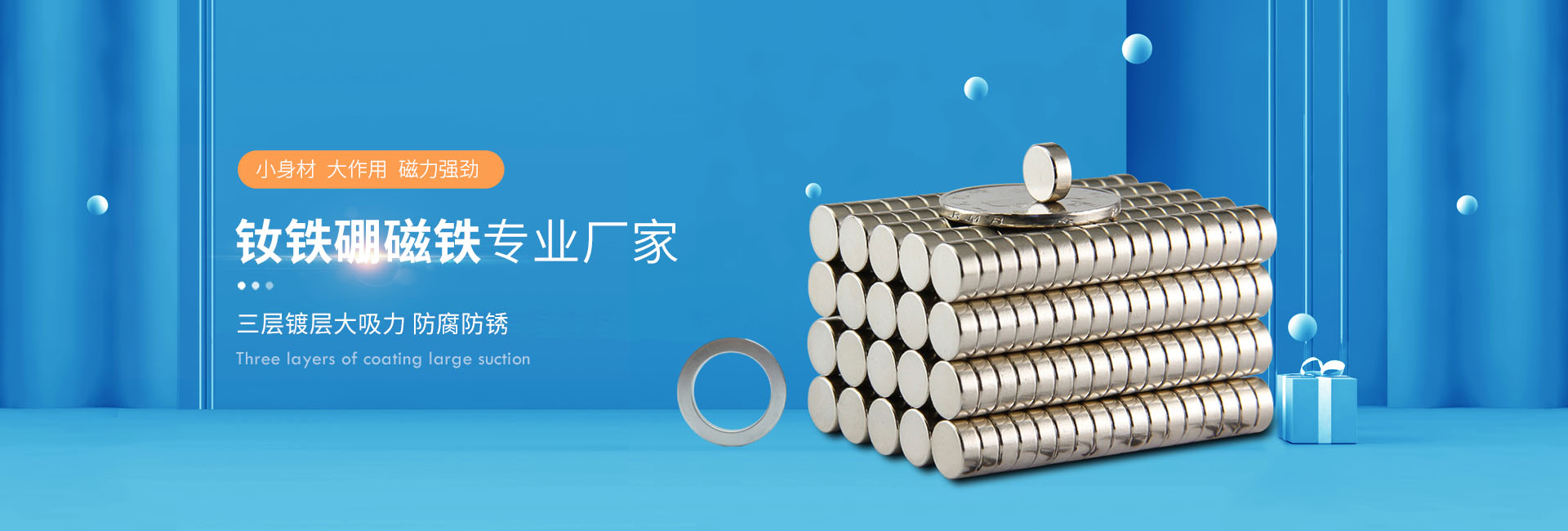



Magnets are relatively common in everyday life applications. There are many types of magnets available in the market, such as neodymium-iron-boron magnets, ferrite permanent magnets, aluminum-nickel-cobalt magnets, and so on. Currently, neodymium-iron-boron magnets offer good performance and are widely used in various applications.
Before manufacturing magnets, there is no uniform and fixed shape of a solid magnet, and even when it becomes a magnet, it is not magnetic because the material of the magnet is not magnetic. The shape of a strong magnet can only be produced after artificial synthesis. For example: the square strong magnet in a strong magnet. Square magnets are more likely to have a shape, and different materials have different effects on the daily maintenance of square magnets. To better protect the mechanical equipment of square strong magnets and the finished products of equivalent phase magnets, two points should be noted.
1. Workplace Environment
When using neodymium iron boron magnets, it is crucial to ensure a very good environment around the magnet. High-powered magnets still have significant potential for development in the market and are widely applied. When the magnet is in operation, it is important to maintain cleanliness and order, as high-powered magnets cannot function normally in poor environments. They are not very effective at attracting iron filings or small particles. In a poorly maintained work environment, the magnet may easily lose its magnetism, leading to a shortened lifespan. Therefore, maintaining a clean work environment is a key requirement for high-powered magnets.
2. Indoor Environment
This is another crucial point. Generally speaking, when storing strong magnets, attention must be paid to the indoor environment. Ensure the air is well-ventilated and avoid damp areas; dry conditions are essential. Neodymium-iron boron magnets not only have requirements for the work environment but also for the indoor environment. The temperature of the indoor environment must not exceed the working temperature of the magnet. For products that have not been electroplated, apply a light coat of oil to prevent rust. When storing magnets, it's important to keep them separate from sensitive magnetic materials. Additionally, the storage environment must meet standards.
