

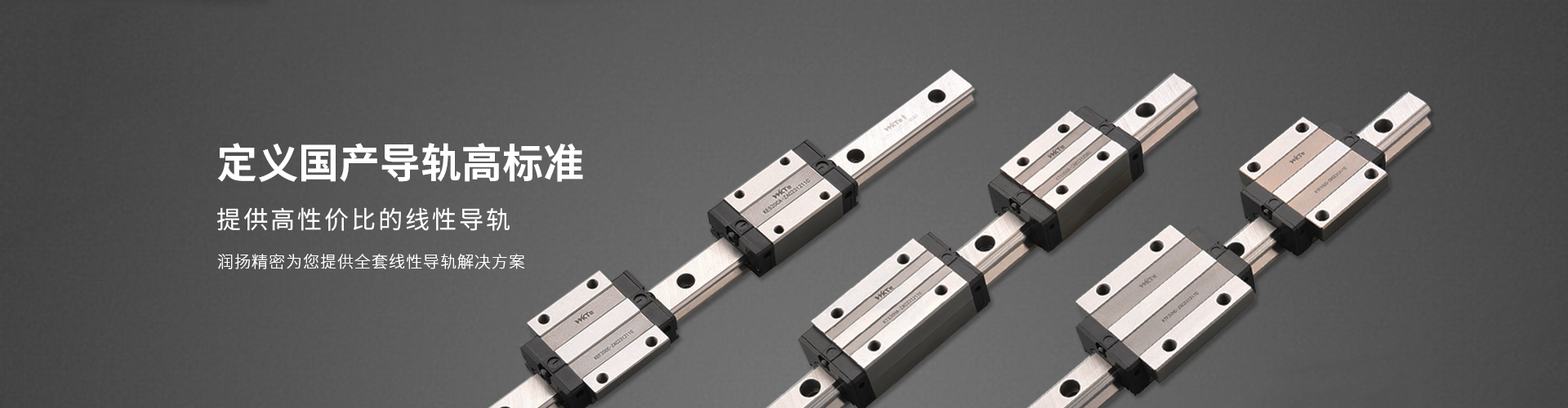
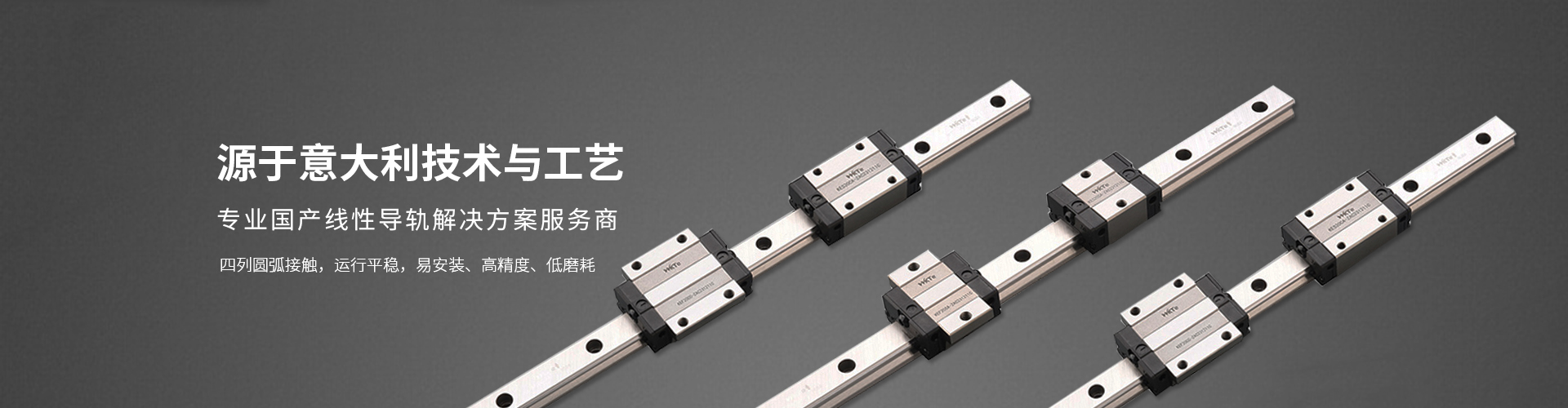
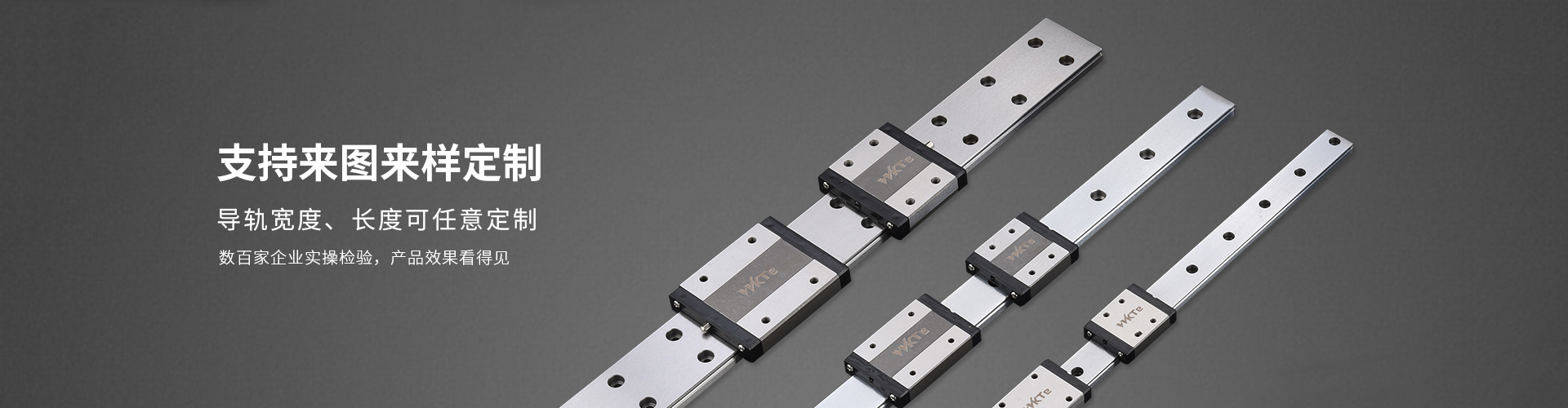

Linear guides, also known as linear tracks, sliding tracks, or linear sliding guides, are primarily categorized into three types: roller linear guides, cylinder linear guides, and ball linear guides. They are devices designed for high precision or high-speed linear reciprocating motion, capable of bearing certain torques and achieving high-precision linear motion under high-load conditions. Below, the editor will introduce the main working principles and detailed functions of linear guides:
I. Working Principle
The fundamental working principle of linear guideways is to transfer power by utilizing the rolling of ball bearings between the guide rail and slider. Specifically, it consists of three main components: the guide rail, slider, and ball bearings.
Track: As a fixed component, typically made of high-precision steel, the surface is ground and polished to ensure accurate straightness and a smooth finish.
Slider: As a moving part, it achieves linear motion by contacting the ball bearings with the guide rail. The slider is internally designed with retainers to prevent the ball bearings from falling out.
Ball bearings: They roll within the楔-shaped space between the guide rail and slider, acting as a "lubricant," reducing friction between them, allowing the slider to move more smoothly.
When subjected to external force, the ball bearings roll along the linear guide track, propelling the slider in a straight-line motion. Due to the low rolling friction coefficient of the ball bearings, linear guides can provide high motion precision and smoothness.
