



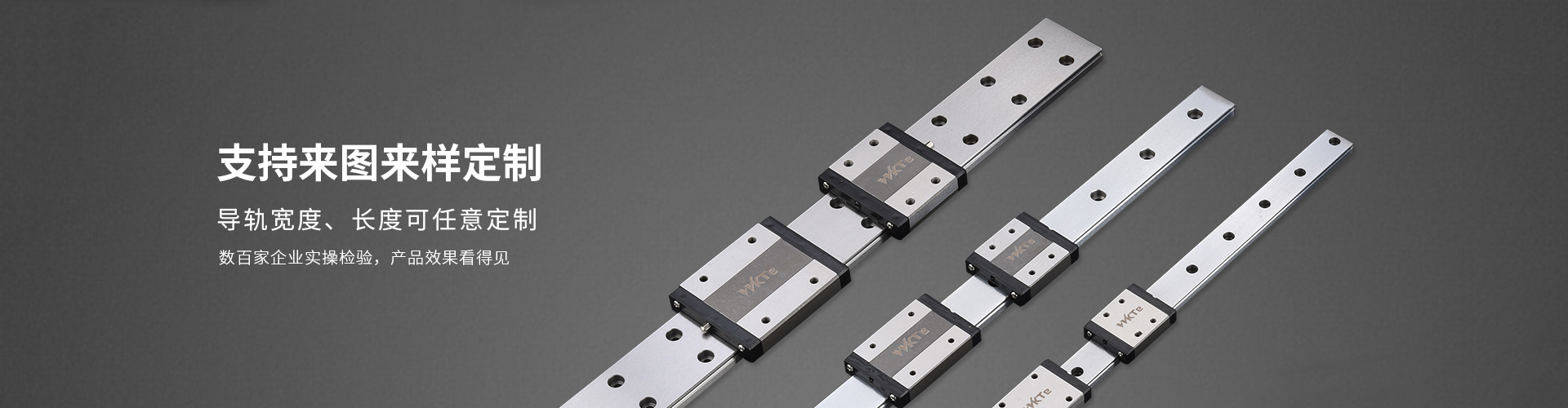

Ensuring dust protection for linear guides can ensure the smooth operation of the guide system and extend its service life. Here are some suggestions to help you effectively carry out dust protection for linear guides:
Choose an appropriate dust-proof design:
When purchasing linear guides, consider selecting models with dustproof designs. These designs typically include sealed end caps, sealed negative films, and dust guards to prevent dust and debris from entering the slider and guide system.
② Use dust-proof covers
Installing dustproof covers on the track system, encasing the entire system to prevent dust and debris from directly contacting the track surface. The dustproof covers should have good sealing and durability to ensure long-term effective dust protection.
Regular cleaning and maintenance:
Regularly clean the linear guide rail system, including the sliders, rail surfaces, and surrounding areas. Use a clean cloth or vacuum to remove dust and debris, maintaining the cleanliness of the guide rail system.
Regular maintenance of the guide system includes checking the lubrication status and securing bolts. Ensure the guide system is in good working condition to minimize dust caused by friction and wear.
Enhancing Work Environment
Ensure the linear guide system is installed in a clean, dust-free environment. If dust cannot be avoided in the working environment, consider using an air filtration system or a local dust cover to minimize the impact of dust on the guide system.
Utilize dust-proof lubricants:
Using dust-proof lubricants on the guide rail system can reduce the dust generated by friction. These lubricants offer excellent lubricating and dust-proof properties, extending the service life of the guide rail system.
Enhance Staff Training
Employees trained on linear guide rail systems to understand the importance of dust prevention and proper operation and maintenance methods. This aids in reducing damage to the system caused by human factors.
Regular inspections and maintenance:
Regularly inspect the dust-proof performance of linear guide rail systems, including the integrity of seals and the tightness of dust covers. Address any issues promptly to ensure the effectiveness of dust-proof measures.
