

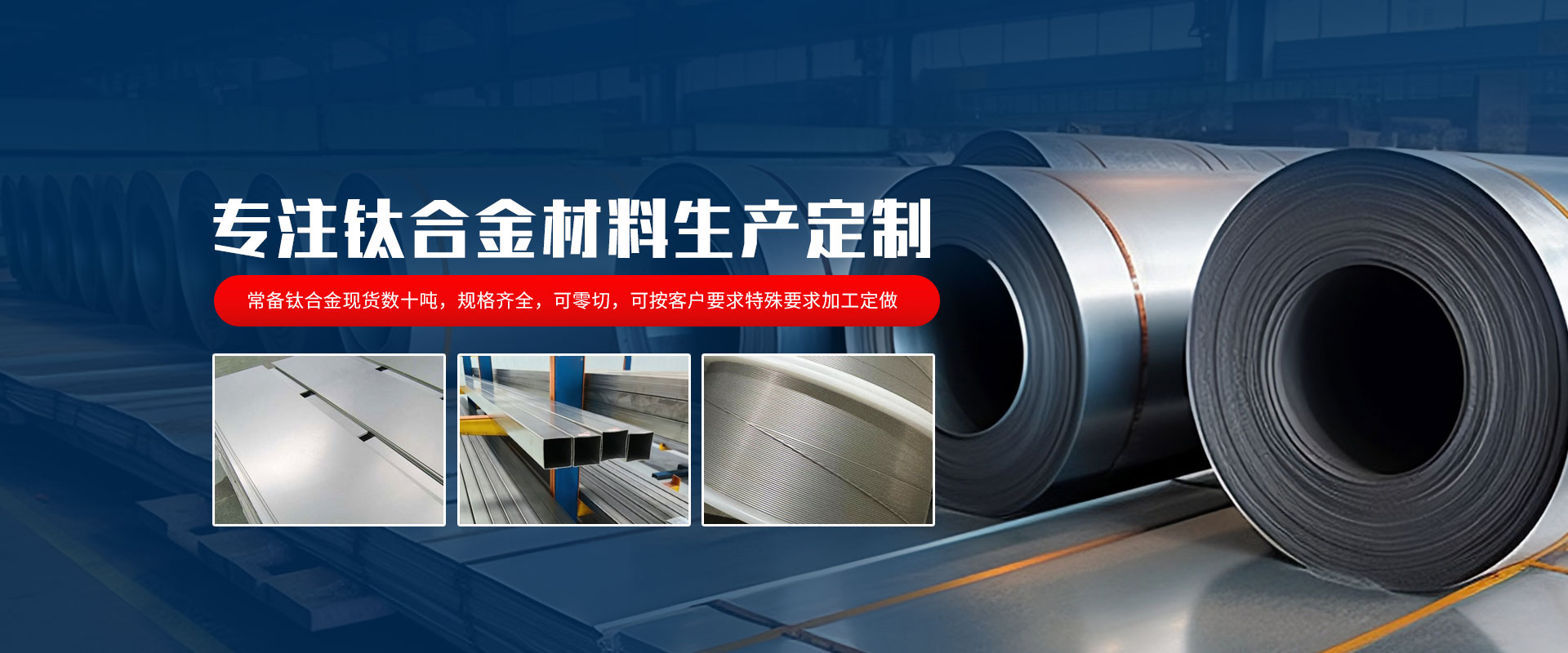
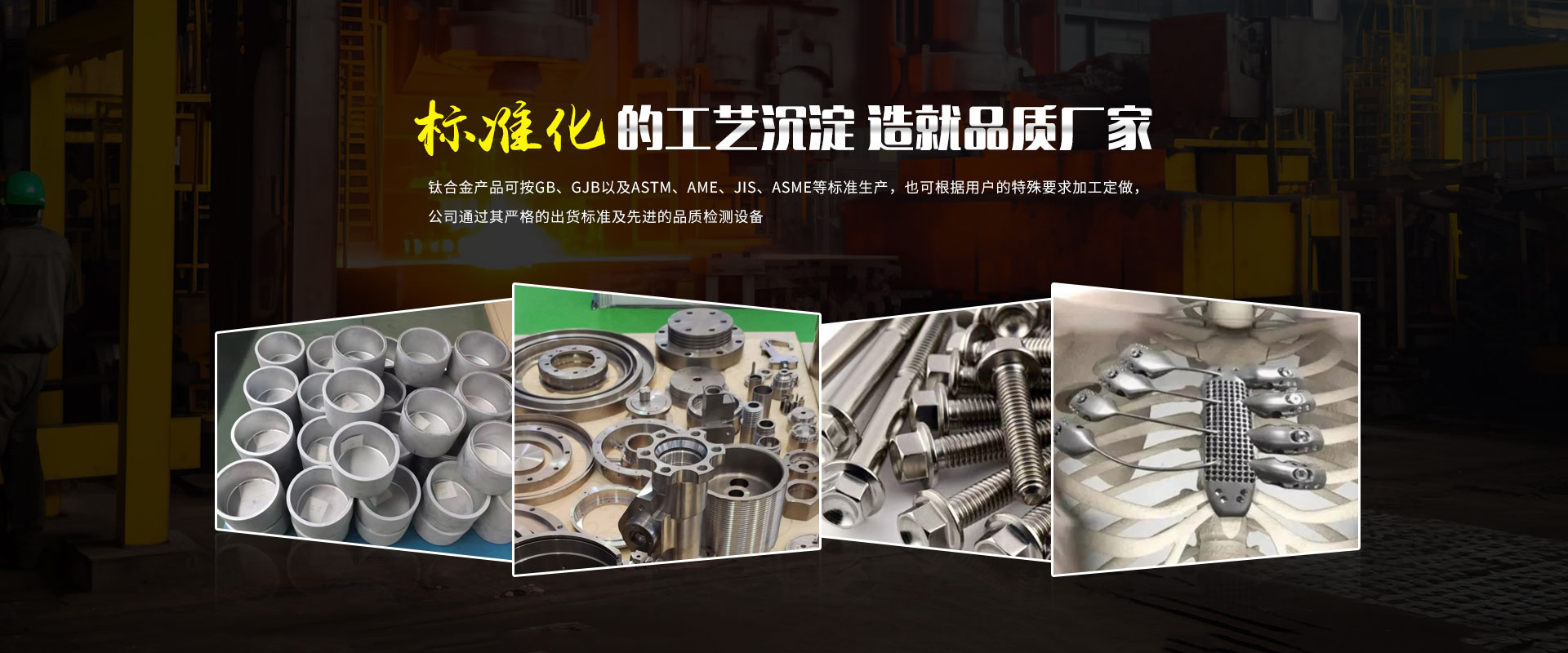

The titanium processing technology refers to the process of machining titanium materials through methods such as cutting, polishing, and welding to produce parts or products that meet specific requirements. Titanium materials boast excellent strength, corrosion resistance, and lightweight characteristics, and are widely used in aerospace, automotive, energy, and other fields. This article will introduce the basic steps, common processes, and precautions of titanium processing technology.
Basic Steps in the Manufacturing Process of Titanium Machined Parts
Material Preparation: Select high-quality titanium materials, cut or saw them as required to obtain raw materials suitable for processing.
Process Design: Design reasonable processing process based on the shape and size requirements of the parts.
Cutting Machining: Utilizing milling machines, lathes, and other equipment to machine titanium materials to achieve the desired shapes.
Polishing: Using abrasive wheels, sandpapers, and other tools to grind the work surface for enhanced smoothness and luster.
Welding Assembly: As per design specifications, the titanium material is assembled and welded to form a complete part.
Surface Treatment: Performs anodizing and electroplating on processed parts to enhance their corrosion resistance and aesthetic appeal.
Inspection and Acceptance: Conduct visual inspections, dimensional checks, and mechanical property tests to ensure that processed parts meet quality requirements.
Product Delivery: Package and label qualified processed parts and deliver them to the client or respective department promptly.
Section II: Common Titanium Processing Techniques
Cutting Machining: Titanium materials are harder, and common cutting methods include turning, milling, and drilling. In cutting operations, it is essential to use sharp tools and be cautious to avoid excessive temperatures that can cause the tools to become black, dull, and deformed.
Polishing: After machining, it is often necessary to grind and polish the surface to enhance its smoothness and appearance quality. Titanium materials have excellent polishing properties and are commonly polished using tools such as grinding wheels, sandpapers, and abrasive fluids.
Welding Assembly: Titanium materials can be welded using methods such as TIG welding, arc welding, and laser welding. During the welding process, it is crucial to control the welding temperature and speed to prevent oxidation and deformation. Post-welding, heat treatment is required to relieve stresses and enhance mechanical properties.
Surface Treatment: Titanium materials exhibit excellent resistance to oxidizing media, yet they are prone to corrosion by strong acids and alkalis. To enhance their corrosion resistance, surface treatment methods such as anodizing and electroplating are commonly employed.
Inspection and Acceptance: Visual inspection, dimensional checks, and mechanical property tests are conducted on processed parts to ensure their quality. Common inspection methods include visual inspection, microscopic observation, and measurement instrument checks.
III. Precautions in the Manufacturing Process of Titanium Machined Parts
Safety Operations: During titanium processing, it is crucial to practice safe operations, wear personal protective equipment, and prevent inhalation of dust, debris, and harmful gases that could harm the body.
Tool Selection: Opt for high-hardness cutting tools suitable for titanium processing, and avoid using worn-out or damaged tools to ensure加工 quality.
Temperature Control: Titanium materials are susceptible to high temperatures, which can lead to oxidation and deformation. Therefore, during processes such as cutting and welding, temperature control is essential to prevent overheating and adverse effects.
Maintain a Clean Environment: During the titanium processing, it is crucial to keep the work environment clean to avoid the impact of dust and impurities on the processing quality.
Balanced Design: In process design, the unique characteristics and processing challenges of titanium materials must be considered, and the process flow should be rationally designed to enhance processing efficiency and reduce costs.
Immediate Maintenance: Regularly service and maintain processing equipment and tools to keep them in optimal condition, extend their lifespan, and enhance processing accuracy and efficiency.
In summary, the manufacturing process for titanium machined parts is a complex endeavor that requires strict operational standards and professional expertise. In practice, it is essential to follow basic steps, make reasonable process choices, and pay attention to matters such as safety, temperature control, and a clean environment to ensure the quality and enhancement of process efficiency.
