

1. Laboratory Testing
Testing Items: a. Temperature Resistance b. Water Vapor Permeability (i.e., Breathability) c. Static Water Pressure d. Anti-Aging Ability
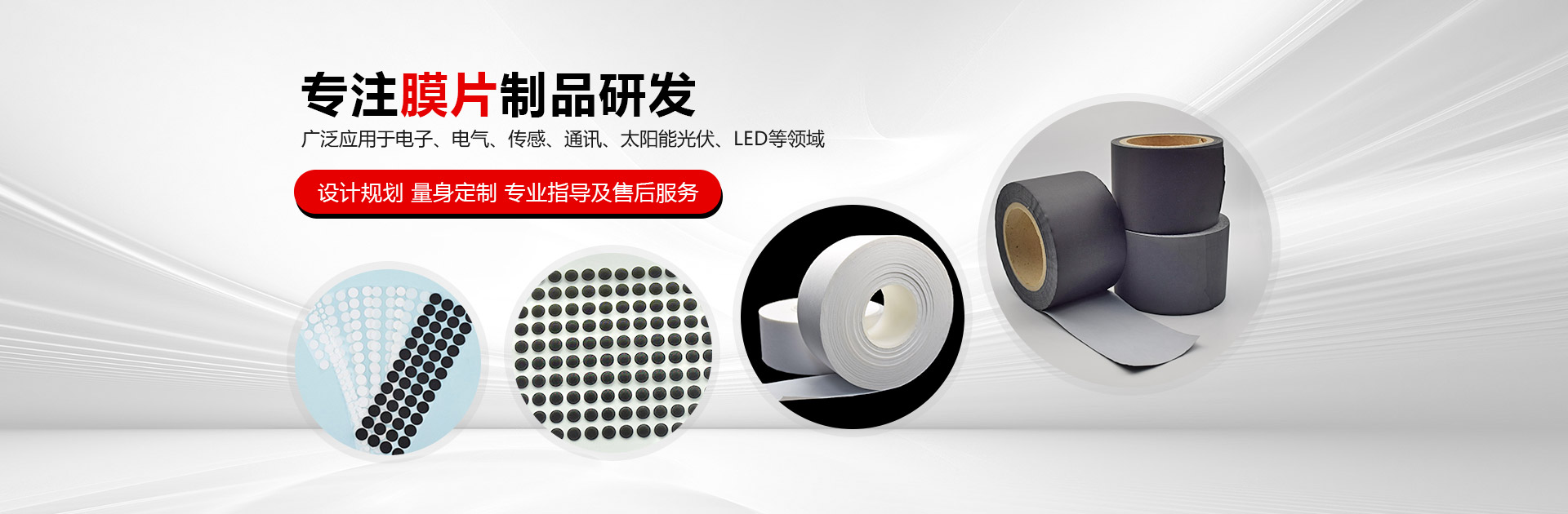
Our high-quality waterproof and breathable membrane is not bonded with adhesive, ensuring a temperature resistance of -40 to 100 degrees Celsius (compliant with EU CE standards and US ASTM standards). It is also not produced using TPO coating, which means the breathability should exceed 1500g/sq. m/24 hours; TPO-coated membranes would be nearly impermeable. Static water pressure tests reveal that the water resistance of our thin waterproof and breathable membranes is at least 1.5 meters, while the thick membranes exceed 2 meters. Anti-aging properties are a must, as PP material is prone to aging under UV radiation. Some counterfeit waterproof and breathable membranes are made from poor-quality recycled materials, which can easily degrade and age during installation.
2. Simple hands-on detection
On the surface, the waterproof and breathable membrane has very distinct pressure points on both sides, which is due to the manufacturing process involving thermal lamination. Please note, these are not the point patterns of the non-woven fabric itself, but rather clearly overlapping points. When you tear open the waterproof and breathable membrane, the middle layer of high molecular material should be a milky white, soft layer of waterproof and breathable material. Since it is thermally laminated, there should be pressure points on this layer. Additionally, if you gently press the non-woven fabric and the membrane and feel a sticky sensation, it can be concluded that this is bonded with thermoplastic adhesive, indicating that it is a counterfeit waterproof and breathable membrane. Because thermoplastic adhesive bonding will quickly cause the three layers to bubble and separate, leading to automatic peeling even at room temperature.
