

Valve Body: Regularly inspect the interior wall of the valve body for corrosion and wear, particularly for valves used in corrosive media, high differential pressures, cavitation, and other harsh process conditions. Ensure their pressure resistance, corrosion resistance, and wear resistance.
2. Valve Core: As the waterproof breathable valve core plays a role in regulating and cutting off fluids, it is an active shutoff element, which is severely affected by the erosion, corrosion, and particle collisions of the medium. It is more prone to damage under high pressure differentials and cavitation conditions. Therefore, it is necessary to inspect its parts for damage, wear, and corrosion, and determine whether maintenance or replacement is required.
3. Valve Seat: The sealing surface of the valve seat is crucial for ensuring the valve is closed, and it is also subject to severe corrosion and wear. Moreover, due to the permeability of the waterproof and breathable valve, there is often medium penetration, causing the internal threaded surface of the fixed valve seat to be corroded and loosened. Special attention should be given to inspecting this area.
4. Valve Rod: Inspect for any loosening in the connections between the waterproof and breathable valve rod, valve core, and push rod, and whether excessive deformation, cracking, or corrosion has occurred.
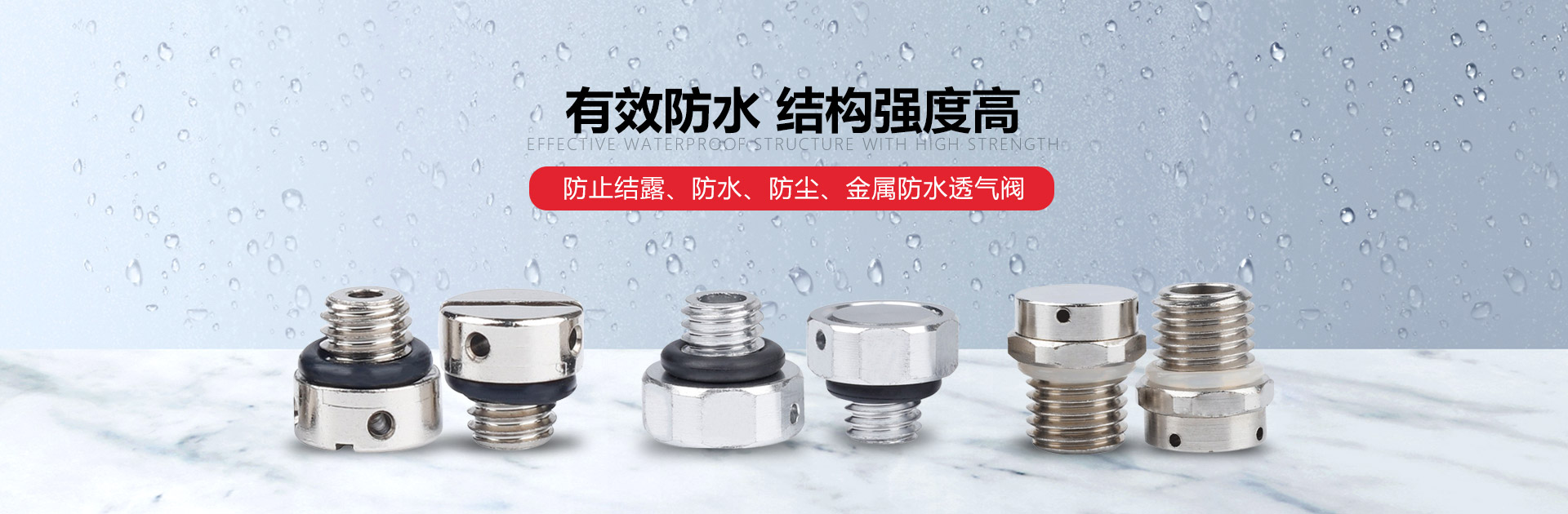
5. Gaskets and O-rings: These vulnerable parts must not crack or age.
6. Inspect packing material for signs of aging, oil deficiency, or deterioration, and ensure it is properly tightened.
