
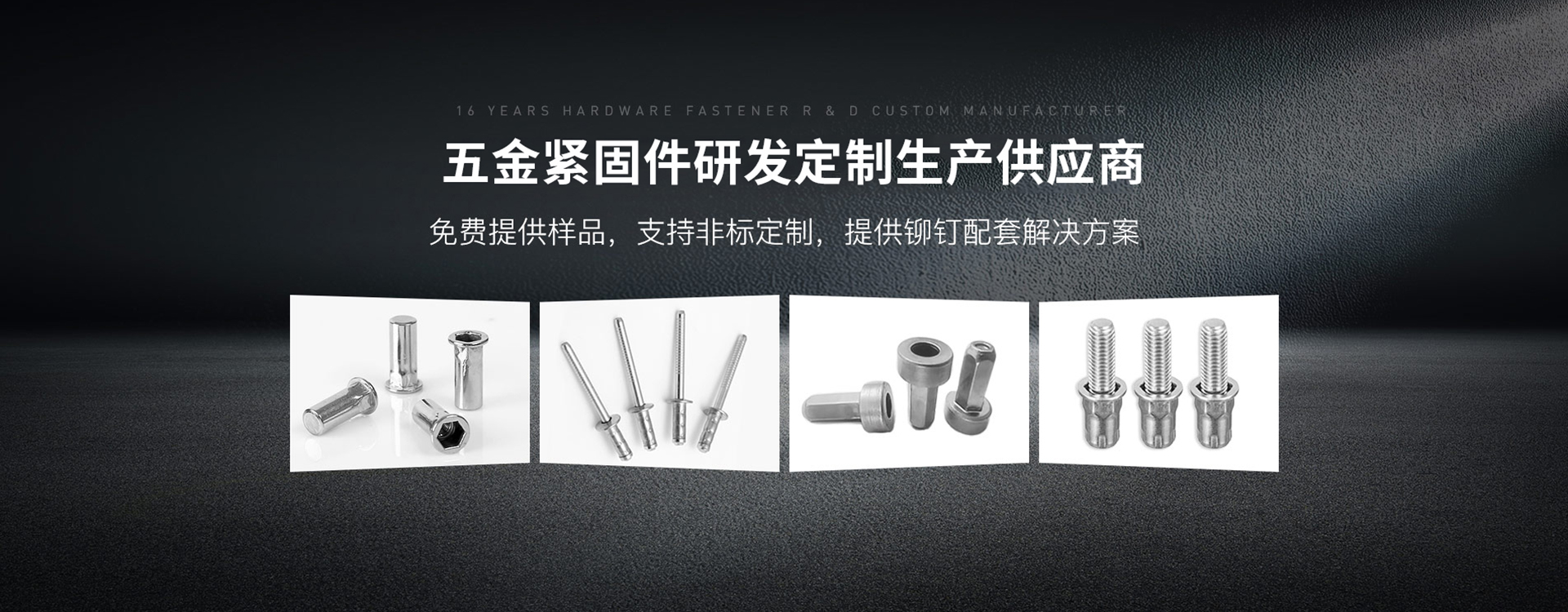
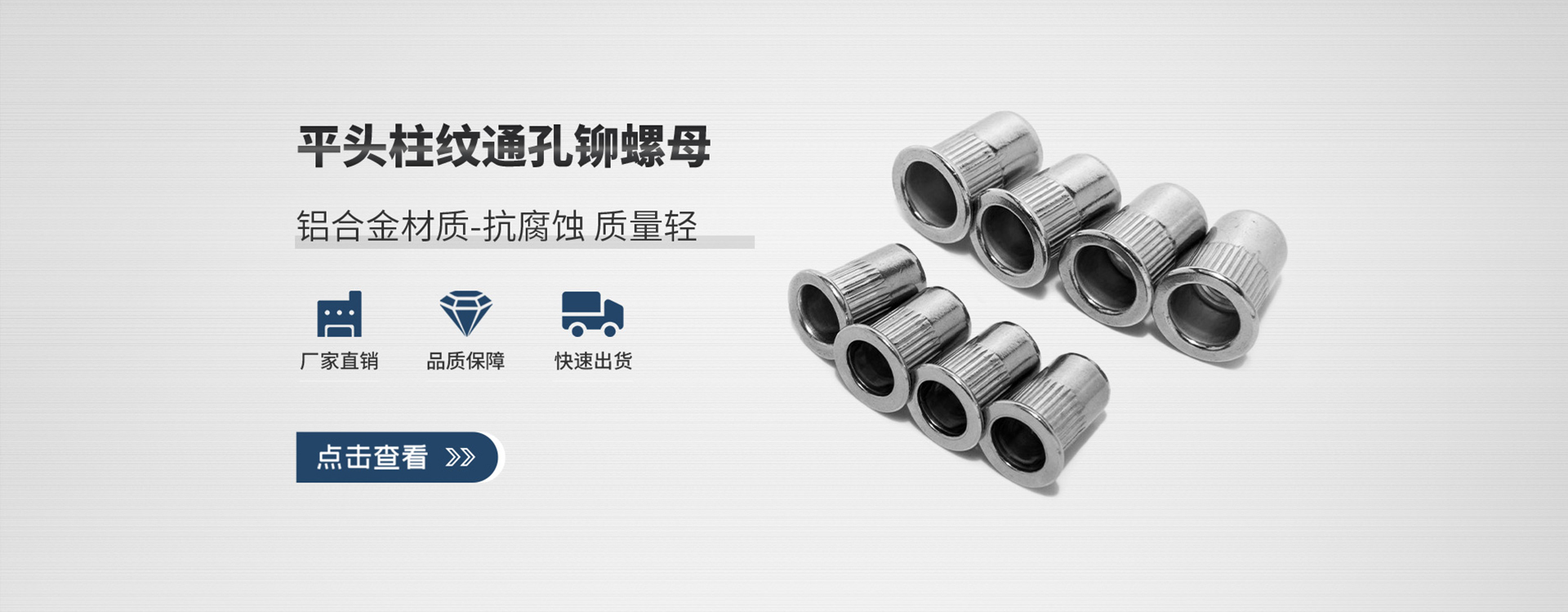


The rivet industry has seen a relatively stable market development. Apart from the substantial demand for semi-hollow rivets in the U.S., Europe is showing an increasingly evident preference for them. Driven by Europe and the U.S., among others, the rivet market size continues to grow. As of 2011, the market size reached $387.9 billion, a year-on-year increase of 7.83%. In 2012, under the overall economic conditions, the semi-hollow rivet market is expected to grow by 8.79%.
Since the fourth quarter of 2011, the domestic semi-hollow rivet market has remained weak. This downturn is a result of the industry's own development and the resonance with the external economic environment. On one hand, the economic situation is bleak; since the 2008 financial crisis, the global economy has struggled to recover, with the sovereign debt crisis lingering and the risk of a new round of global economic recession intensifying. At the same time, the domestic economic growth rate has slowed down, with the GDP only growing by 8.1% year-on-year in the first quarter of 2012, the lowest in nearly three years. The economic slowdown, weak domestic demand, along with long-term inflationary pressure, tight liquidity, and the continuous deep regulation of the upstream real estate market, have collectively impacted the economic environment of the semi-hollow rivet industry, leading to some suppression of market demand. We predict that the growth rate of the semi-hollow rivet market in China in 2012 will slow down, with an increase of 14.08%, reaching a market size of 52.298 billion yuan.
By replacing labor-intensive, manual operations with heavy gaps with automated and continuous rivet production, such as using programmed control, it ensures stable production, improves rivet quality, boosts profits, reduces physical labor, and eliminates environmental pollution.
Efficiently utilizing thermal energy, selecting optimal process operating conditions, enhancing insulation measures, and improving heat transfer efficiency will minimize heat loss to the fullest extent, fully utilizing waste heat or heat generated from reactions. The application of heat pipe technology will be a trend in the future development of riveting.
