
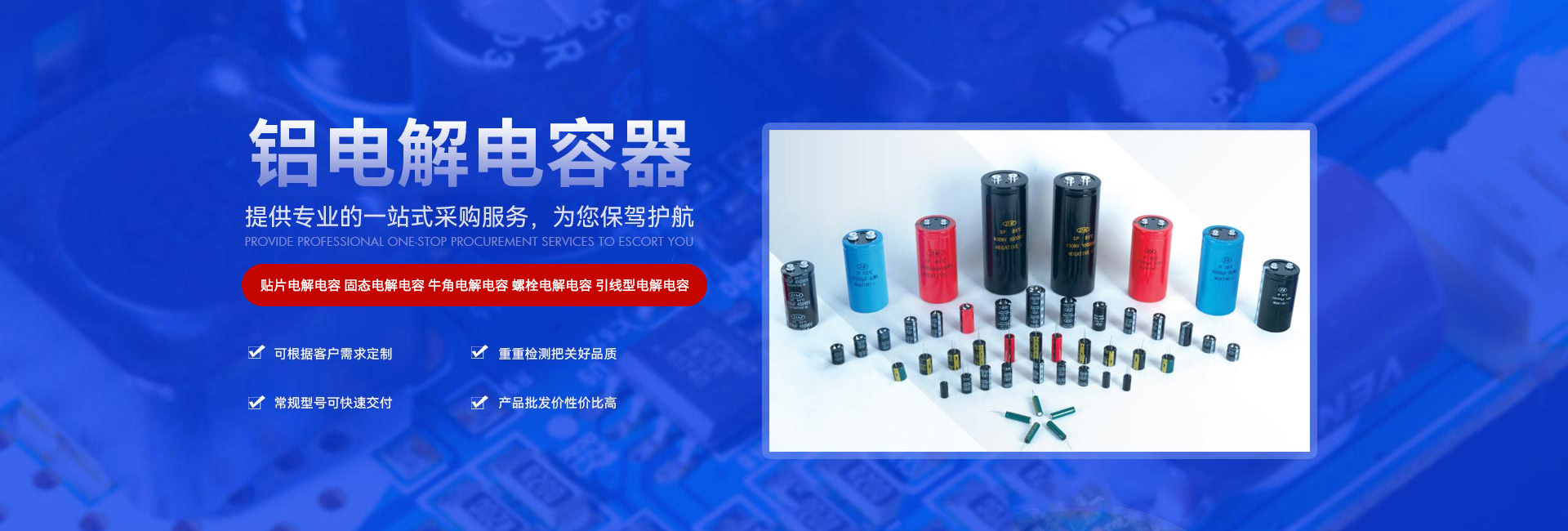
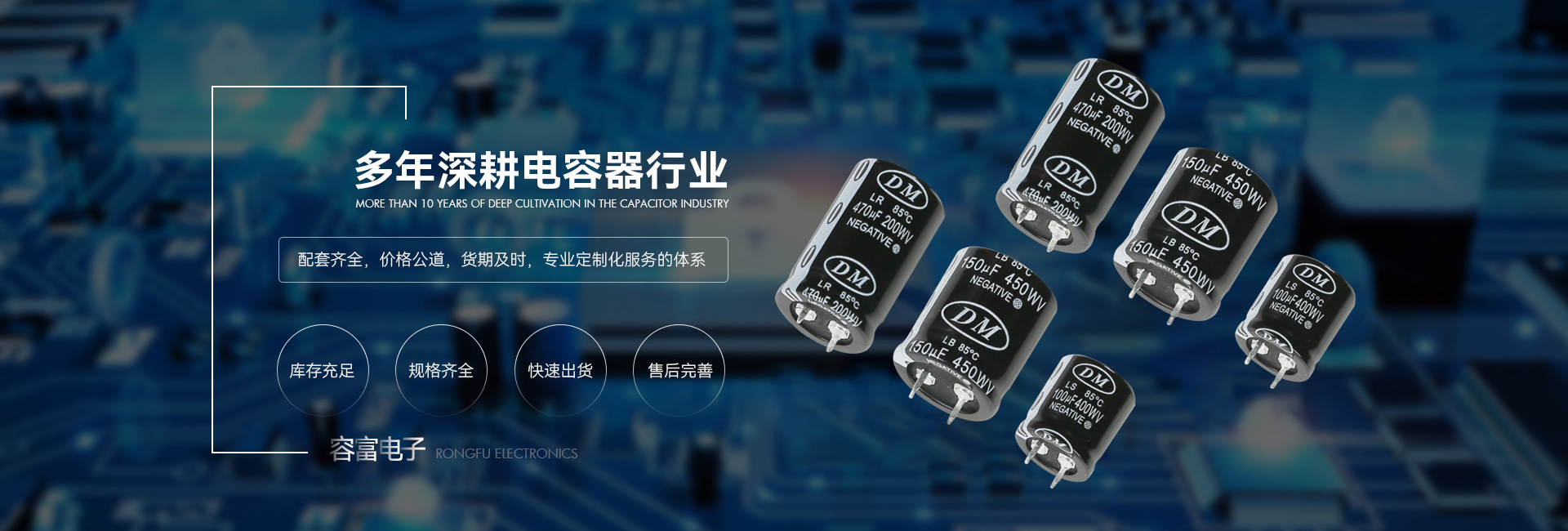


Solid-state SMD aluminum electrolytic capacitors are a type of electrolytic capacitor that uses solid electrolyte instead of the traditional liquid electrolyte. These capacitors offer some significant characteristics and advantages in terms of design and performance.
The use of solid electrolytes eliminates the risk of capacitor failure or explosion, which may occur due to the expansion of electrolyte in traditional liquid electrolyte capacitors when heated. Since solid electrolytes do not react with alumina, there is no risk of explosion upon application of voltage, nor is there a risk of bursting due to thermal expansion.
Solid-state SMD aluminum electrolytic capacitors offer superior features such as environmental friendliness, low impedance, high-temperature stability, resistance to high ripple, and high reliability. These characteristics make solid-state capacitors one of the high-end products among electrolytic capacitors currently available.
Solid-state capacitors boast a high-temperature resistance of up to 260 degrees Celsius, along with excellent conductivity, frequency characteristics, and lifespan. These features make solid-state capacitors particularly suitable for low-voltage, high-current applications, such as slim DVD players, projectors, and industrial computers in digital products.
Solid-state SMD aluminum electrolytic capacitors play multiple crucial roles in electronic devices and circuits, including power filtering, coupling and decoupling, voltage maintenance, and enhancing circuit stability. They eliminate high-frequency noise and ripple from the power signals, provide a stable DC voltage, and ensure the normal operation of other electronic components.
They can also act as coupling and decoupling capacitors, transmitting AC signals to different circuit sections, realizing the coupling transmission of signals, and absorbing transient noise on the power line, ensuring circuit stability and anti-interference capability.
