
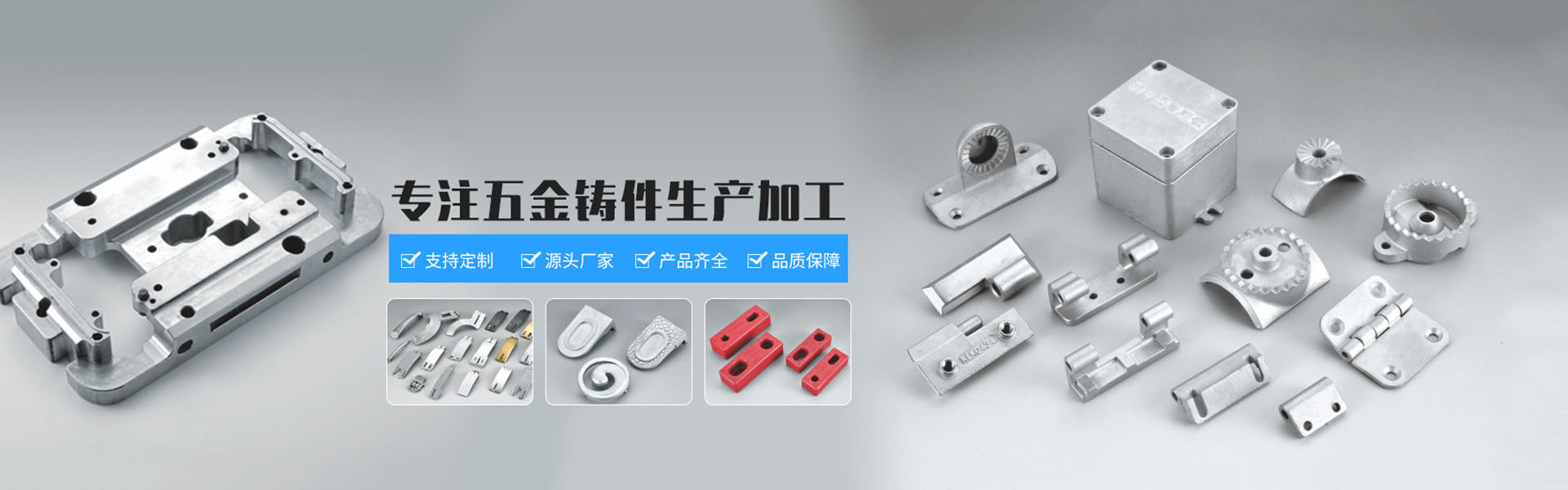

Metal stamping is a process that utilizes press machines and molds to deform or fracture stainless steel, iron, aluminum, copper, and other sheet materials and non-standard shapes, achieving a certain shape and size.
Stamping parts are a common type of metalworking component in the metal processing and machinery manufacturing industries, with extensive applications across various精密 sectors, including automotive, electronics, and equipment.
Stamping molds, stamping machinery, and stamping raw materials are the three essential elements of the manufacturing process. Below, we discuss the processing characteristics of metal stamping parts.
1. Stamping typically does not require trimming materials, resulting in less material waste and the elimination of the need for additional heating equipment. Therefore, it is a cost-effective and environmentally friendly manufacturing process, with low-cost stamping parts.
In stamping processing, due to the precision of the mold ensuring the specifications and appearance design of the stamped parts, as well as the durability of the process performance of the stamped parts, the lifespan of the mold is relatively long!
3. The metal stamping parts boast high processing and production efficiency, and are easy to operate, making them highly suitable for automation and mechanical automation technologies.
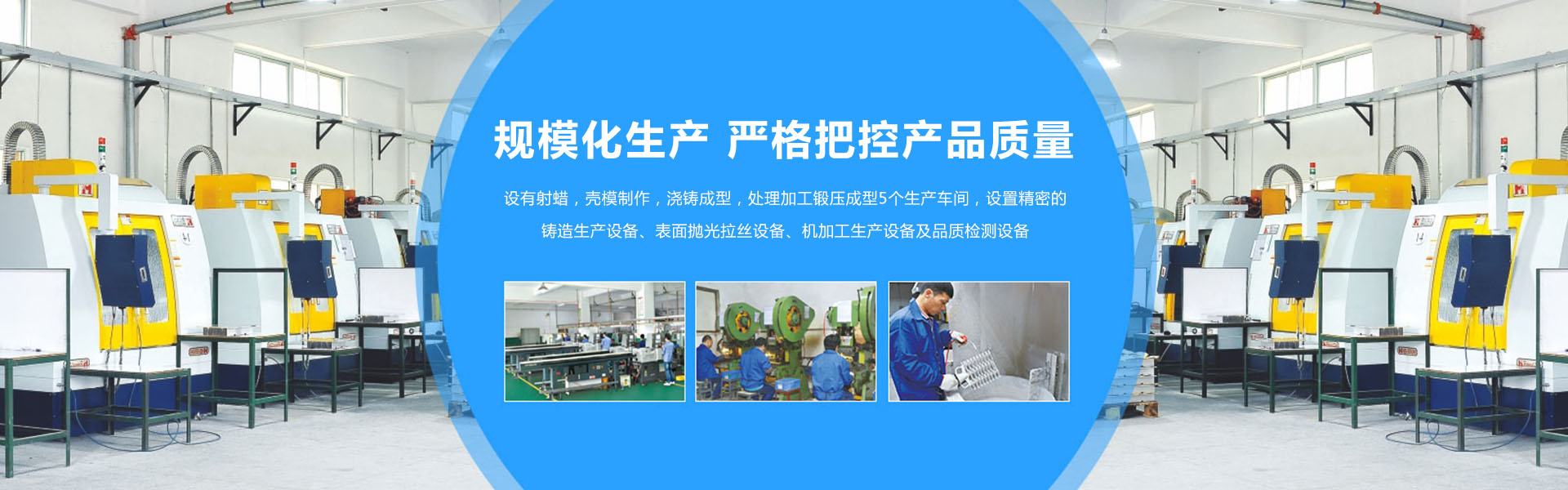
This is due to the fact that stamping relies on stamping machines and molds for the processing, which generally allows for several dozen cycles per minute in the case of standard press stroke arrangements. However, for high-speed working pressure, it can reach over a thousand stamping cycles per minute, and each stamping stroke can produce a stamped part, resulting in high production efficiency.
