

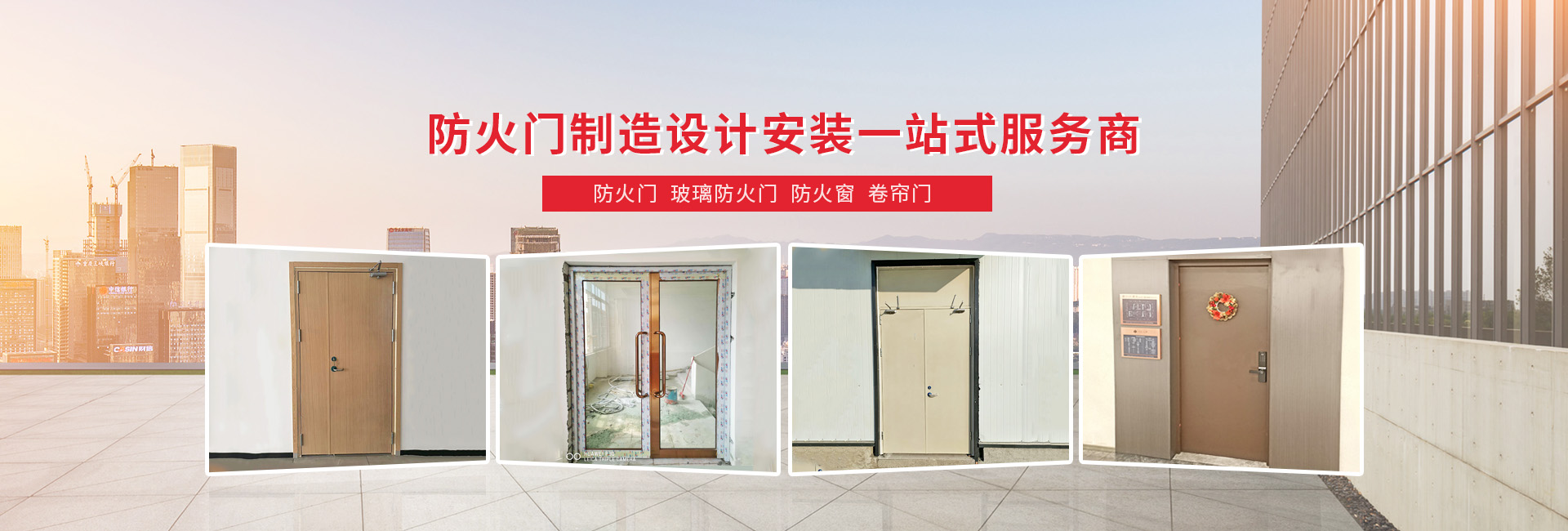


In architectural design, the choice of windows is crucial for the safety, aesthetics, and functionality of the building. Fire-resistant windows,耐火windows, and standard windows are the three common types of windows, each with its unique features and application scenarios.
Section 1: Definitions and Differences Between Fireproof and Fire-Resistant Windows
Fireproof Windows: Fireproof windows are designed to meet requirements for fire resistance stability, integrity, and insulation. They are primarily used in fire-rated walls, partitions, and emergency exit routes, effectively preventing the spread of fire.
Fire-Resistant Windows: Fire-resistant windows typically refer to windows that meet certain fire resistance requirements, although they do not offer the same level of insulation as fireproof windows. They are commonly used for fire separation in general areas, with the focus on delaying the spread of fire.
The Difference: The main distinction lies in their thermal insulation properties and application scenarios. Fire-resistant windows offer superior thermal insulation compared to fire-retardant windows and are more suitable for areas that require higher fire safety ratings.
Section Two: Comparison with Standard Windows
Materials: Standard windows typically use materials such as wood, aluminum alloy, or steel, while fire-resistant and耐火 windows are made with safer materials like fire-resistant glass and special fire-resistant materials.
Performance: Standard windows primarily emphasize aesthetics and light transmission, while fire-resistant and fireproof windows focus on providing fire insulation and protection.
Prices: Due to variations in materials and performance, fire-resistant windows and耐火windows typically cost more than standard windows.
III. Selection Recommendations
When selecting windows, it's important to consider the building's use and fire safety requirements. For instance, high-rise buildings and public places like schools are better suited for fire-resistant or fireproof windows to ensure the safety of individuals.
In summary, fire-resistant windows,耐火windows, and standard windows each have unique features and applications. Proper selection and use of these windows are crucial for ensuring the safety and functionality of buildings.
