

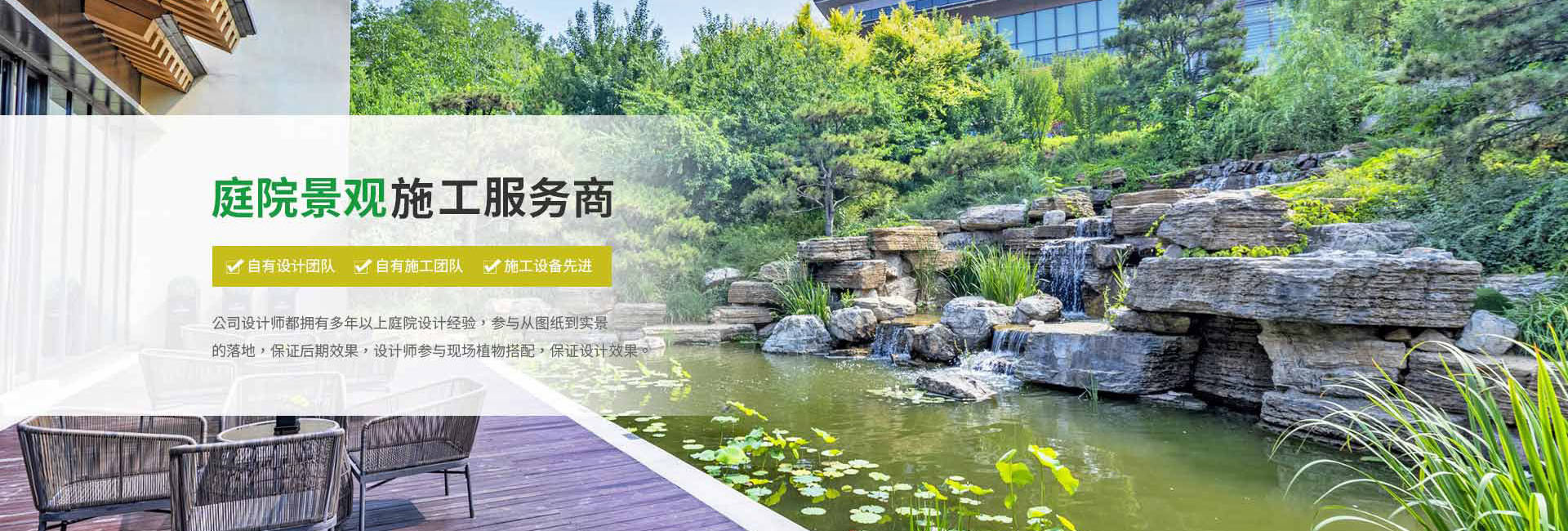


Landscape greening and maintenance encompasses various aspects, including the planting of vegetation, fertilization, watering, pruning, and the prevention of pests and diseases.
Key Tips for Private Landscape Maintenance:
Vegetation Selection and Planting: Choose plant varieties that are suitable for the local climate and soil conditions to ensure their healthy growth. When planting, pay attention to the spacing and arrangement of the plants to ensure overall aesthetics and ecological balance.
Fertilizing and Watering: Regularly fertilize and water plants based on their growth needs and seasonal changes. When fertilizing, choose a fertilizer suitable for the plant's requirements and apply it according to instructions. When watering, pay attention to the amount and frequency to avoid overwatering or under-watering.
Pruning and Shaping: Regularly prune plants to maintain their beauty and health. When pruning, pay attention to the growth habits of the plants to avoid over-pruning. Additionally, shaping can be done as needed to enhance the plants' ornamental appeal.
Pest and Disease Control: Strengthen monitoring and control efforts for pests and diseases, ensuring timely detection and resolution of issues. During the control process, prioritize the use of eco-friendly, low-toxic pesticides to minimize harm to the environment and human health.
Soil Management: Regularly check the soil's pH level and nutrient status, adjusting the soil environment promptly to provide optimal growing conditions for plants. Additionally, use coverings like wood chips to protect the soil surface, preventing soil erosion and weed growth.
Facility Maintenance: Regular inspections and repairs of garden amenities such as seating and lighting equipment are essential to ensure their proper functioning and safety.
