
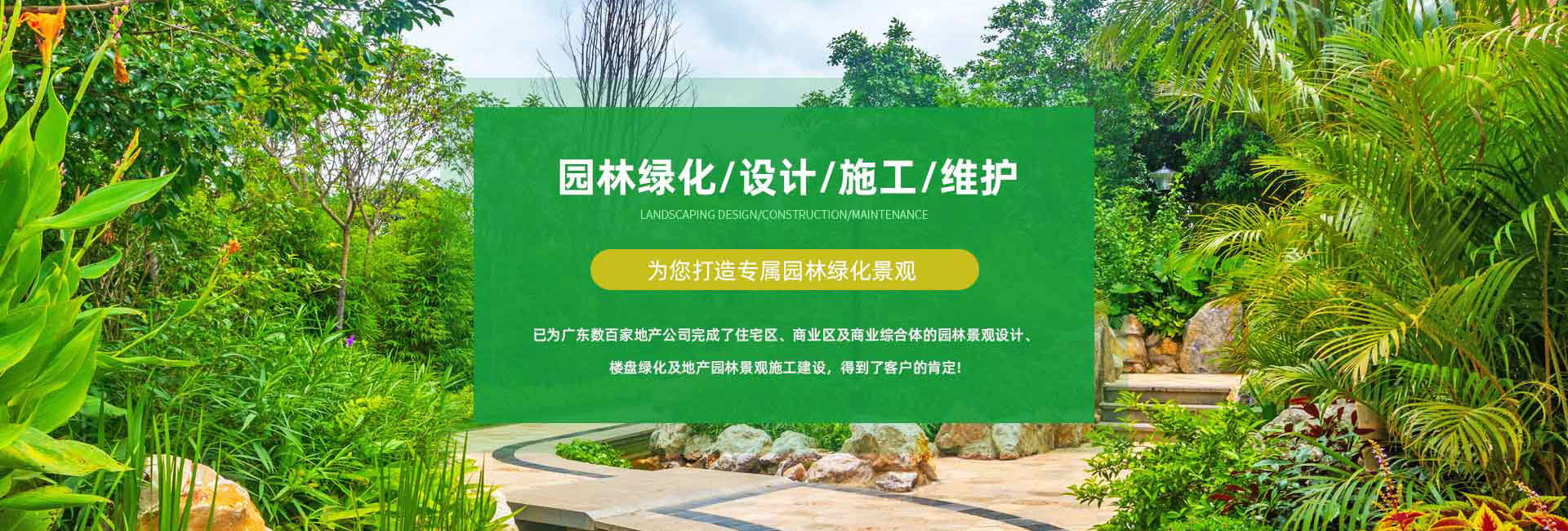
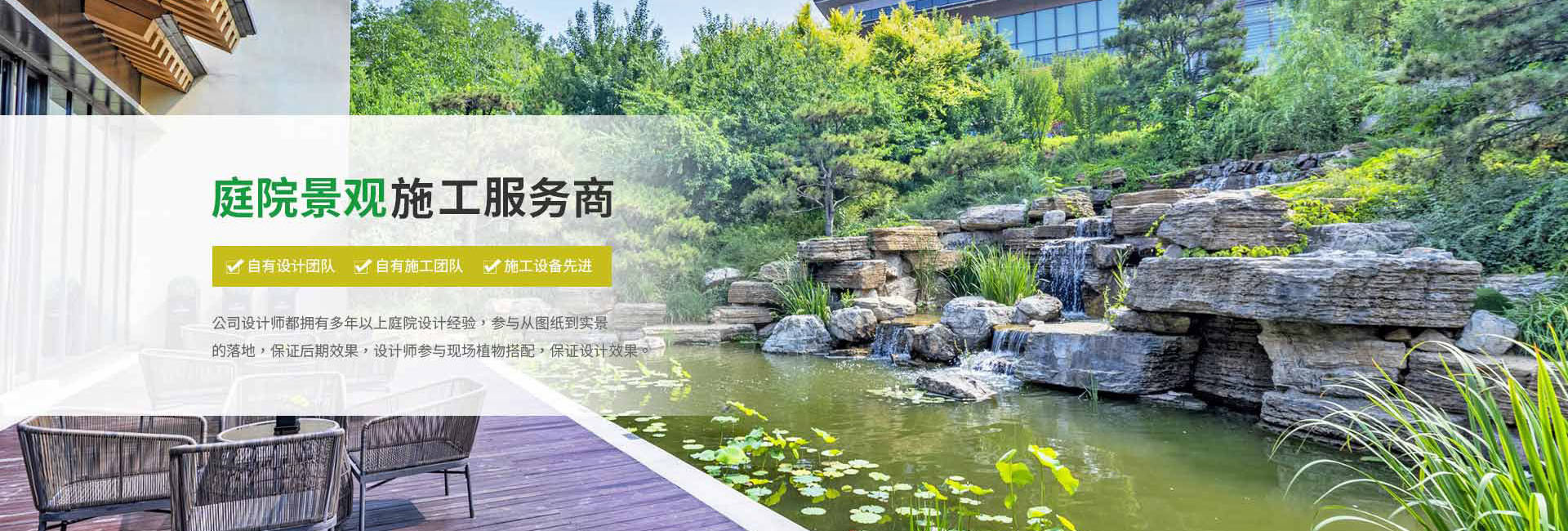


Green landscape design is an integrated process aimed at creating beautiful, comfortable, and fully functional outdoor spaces.
Functional Principles: Landscape design should meet people's basic needs for leisure, entertainment, and exercise, etc. Designers must understand the needs and habits of different groups to set appropriate facilities and layouts, ensuring a comfortable experience and full relaxation for visitors in the garden landscape.
The Principle of Unity: Garden design should possess integrity and harmony. Unity is achieved by controlling the color, shape, and size of different elements, ensuring the garden landscape is visually and thematically consistent. This aids in creating a sense of overall beauty and harmony for visitors to the garden.
The Principle of Adaptation to Local Conditions: Landscape design should be tailored to the specific regional characteristics, climate conditions, functional requirements, and residents' habits. For instance, in northern regions, considerations must be given to wind and dust prevention during winter, as well as ventilation and cooling in summer. In southern regions, flood prevention and sun protection are crucial factors to consider.
The Principle of Macro and Micro Unification: In the planning of landscape greening, scientific approach is crucial to ensure that garden construction conforms to the overall regional (or city) planning. The green spaces of the garden should maintain harmony and unity with the city's green system. Garden architecture should be proportionate, in form, texture, color, and volume to the surrounding environment, coordinating with other landscape elements.
Nature Meets Craftsmanship: In landscape design, emphasize the fusion of nature and human craftsmanship, blending artificial elements with natural scenery to create a more harmonious and pleasant environment.
Ecological Landscape Design: By employing strategies such as rational vegetation arrangement, water resource management, and soil conservation, we create more eco-friendly environments. This aids in preserving biodiversity and enhancing the stability of ecosystems.
Multi-Purpose Design: Gardens are no longer just green spaces and scenic views. An increasing number of garden designs are integrating various functions, such as leisure and entertainment, sports and fitness, and cultural displays, to cater to diverse needs.
Detailing in Landscape Design: Just as crucial in garden design, attention to detail is paramount. For instance, the planting of trees should consider their growth habits and aesthetics; the design of pedestrian walkway shade should take into account its location and the selection of tree species; the placement of rest seats should harmonize with the scenery, etc.
