
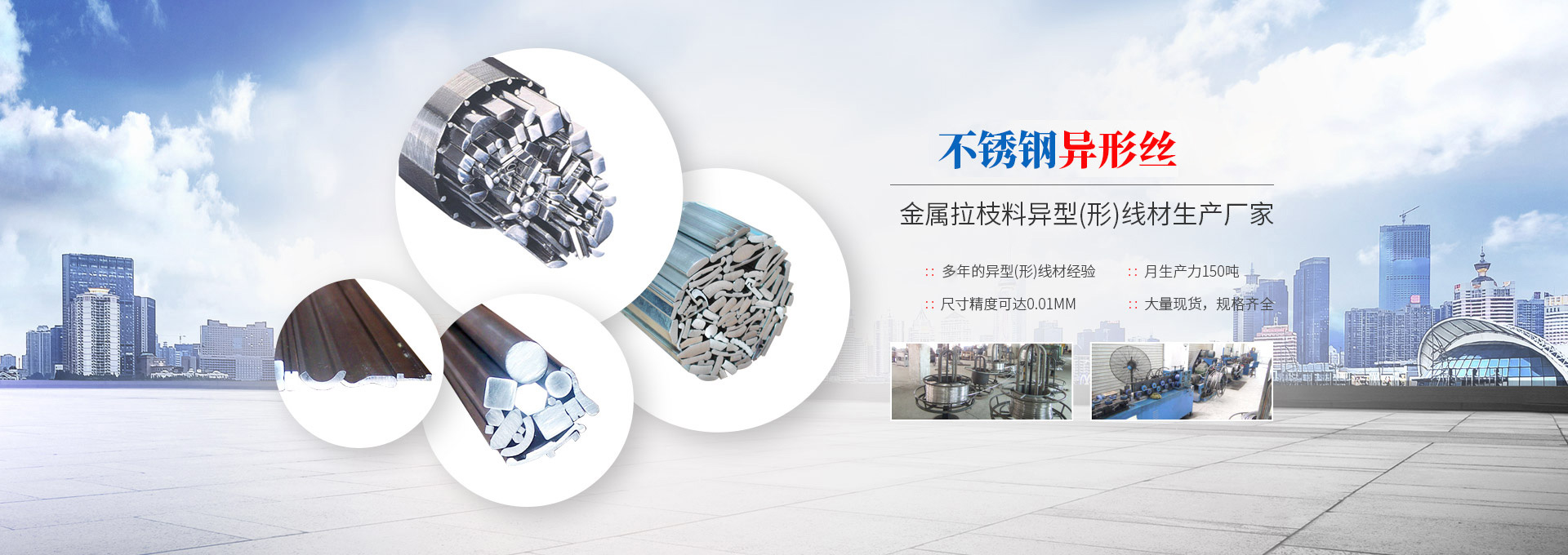
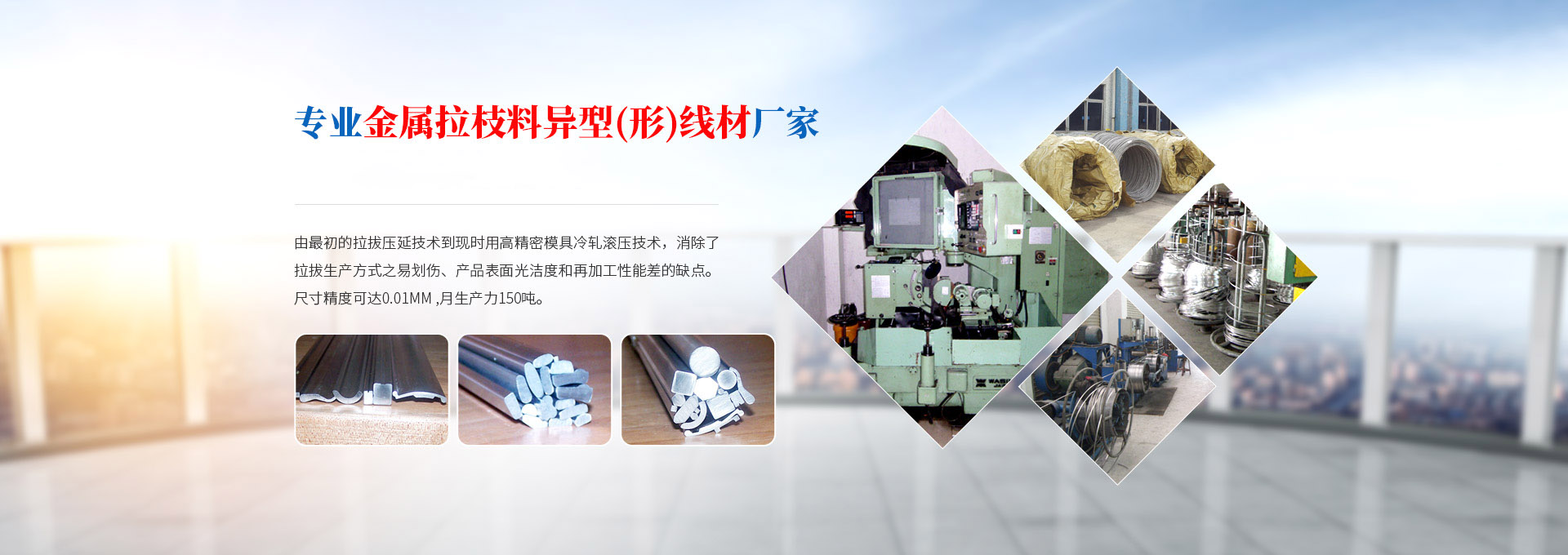
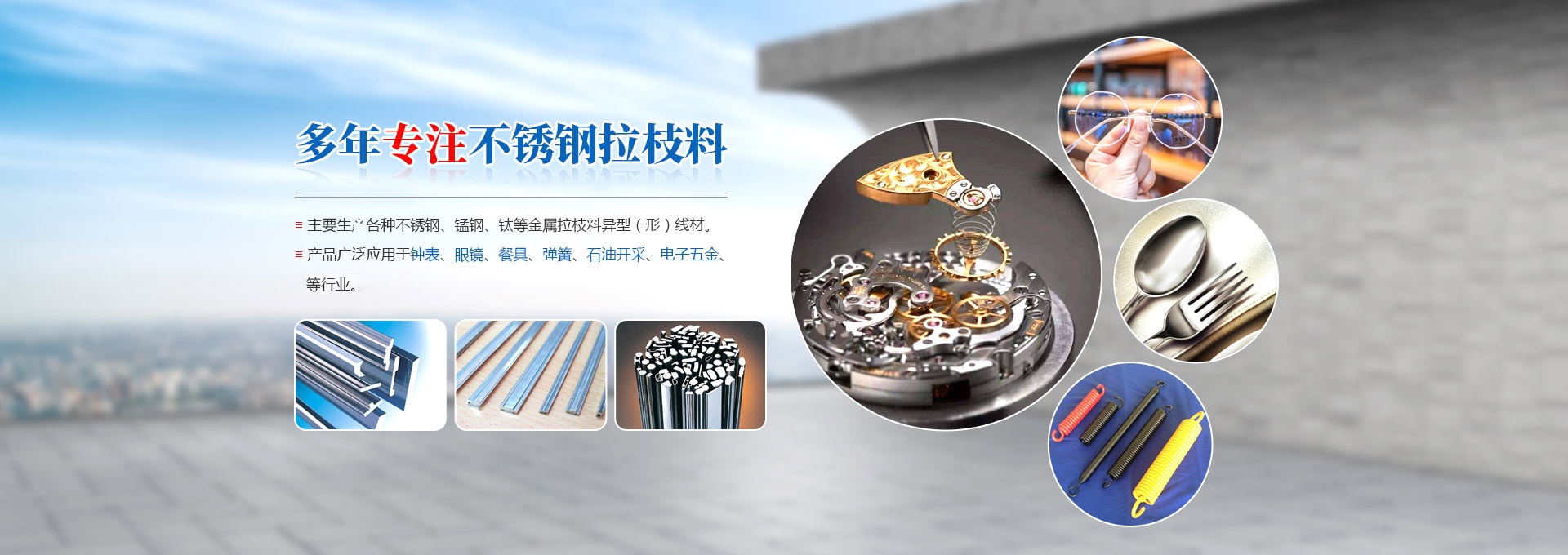

During the processing of custom-shaped materials, a series of issues must be avoided to ensure quality and efficiency. Here are some key concerns and their mitigation strategies:
1. Difficulty in Positioning: Due to the irregular shapes of non-standard materials, traditional positioning fixtures may not effectively secure them. This could result in insufficient positioning accuracy, thereby affecting the processing outcome. To avoid this issue, customized fixtures can be designed specifically, tailored to the shapes and dimensions of the non-standard materials, ensuring stability during the processing stage.
2. Uneven Cutting: The complex shapes of non-standard materials can lead to uneven forces during the cutting process, resulting in uneven cutting. This can affect the surface quality and accuracy of the workpiece. To improve cutting effects, it is essential to select appropriate cutting tools and parameters, and achieve uniform cutting through conditions found through experimentation.
3. Low Processing Efficiency: Due to the high difficulty in processing non-standard materials, frequent adjustments of processing parameters and tool changes may be required, leading to low processing efficiency. To enhance efficiency, advanced processing equipment and technology, such as CNC machines and laser cutting machines, can be employed. These high-precision devices can significantly improve processing efficiency.
4. Quality Issues: During the manufacturing process, quality issues such as dimensional deviations and non-compliant surface roughness may occur. To avoid these problems, strict control over the manufacturing process is essential, adhering to operational procedures to ensure each step meets requirements. Additionally, regular inspections and adjustments of the workpieces should be conducted to promptly identify and resolve issues.
5. Safety Concerns: The equipment and technology involved in the processing of non-standard materials are relatively complex, improper operation may lead to safety accidents. Therefore, operators should receive professional training and be familiar with the operational procedures and safety regulations of the equipment. Additionally, necessary safety protection facilities should be set up at the processing site to ensure the safety of personnel and equipment.
