
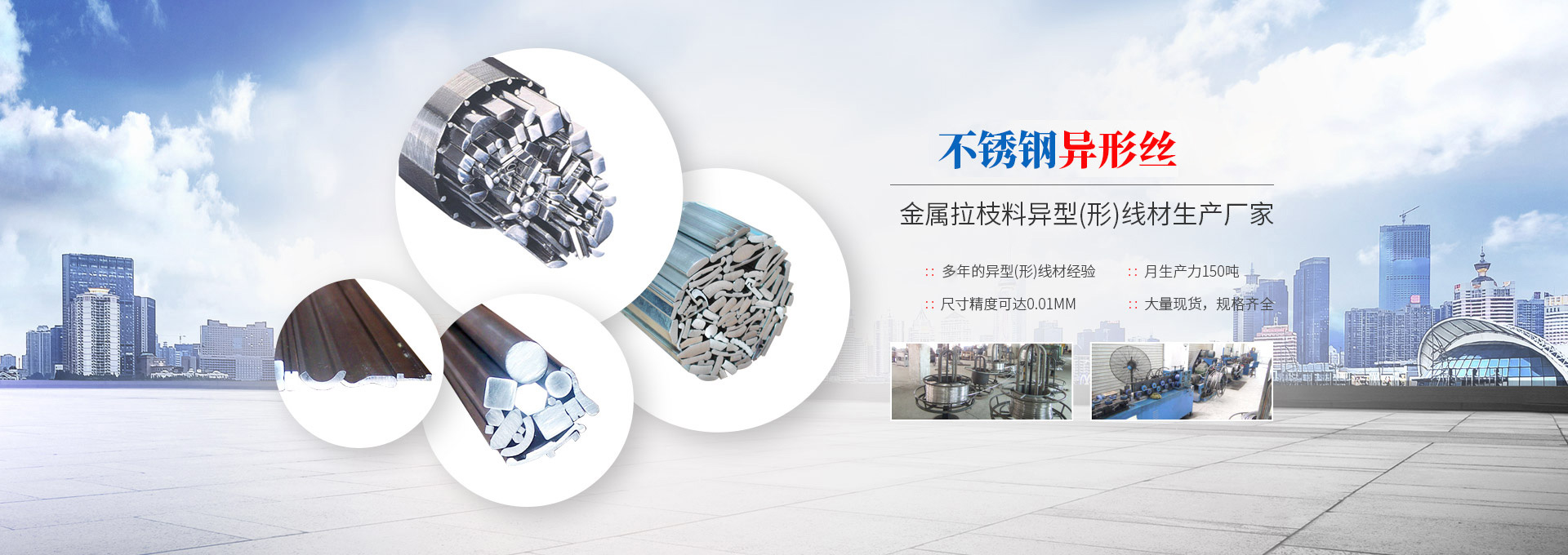
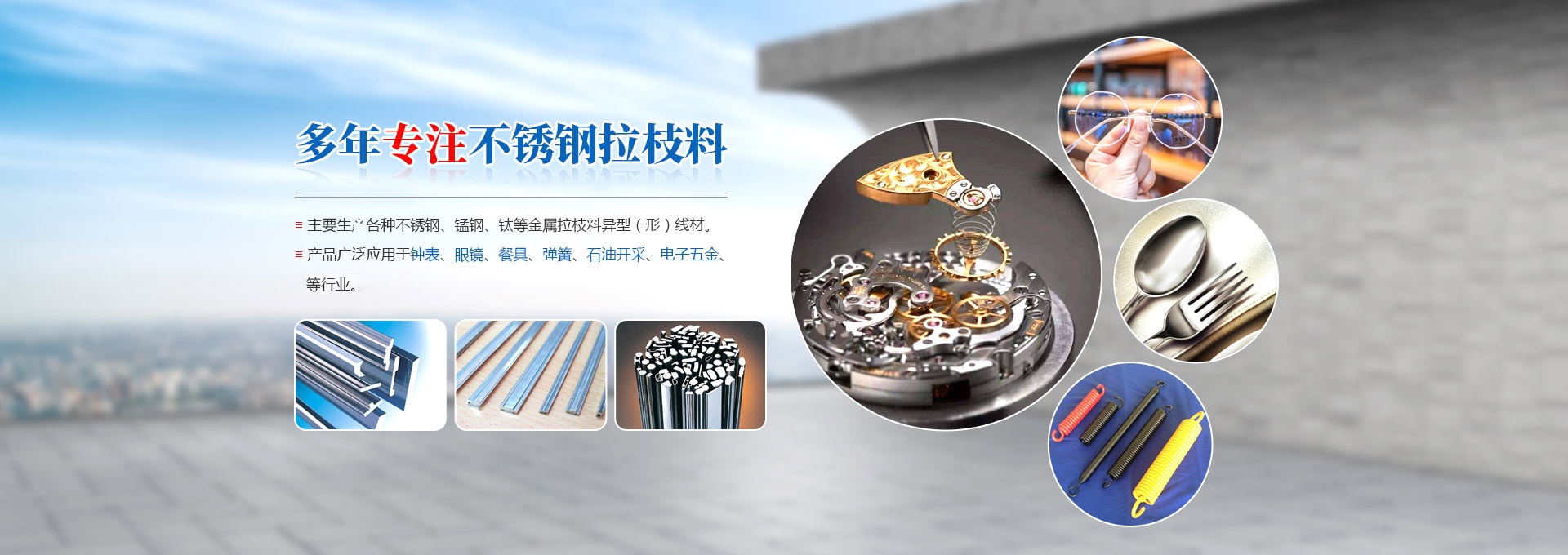

1. Raw Material Selection: Choosing the right stainless steel material is crucial. Depending on the product's requirements and performance specifications, select stainless steel grades with appropriate strength, toughness, and corrosion resistance, such as 304, 316, and so on.
Heat Treatment Process Optimization: Heat treatment is a crucial step in the processing of stainless steel alloy wire. By employing proper annealing, normalizing, quenching, and other heat treatment techniques, the structure and properties of stainless steel can be adjusted, enhancing its strength, toughness, and wear resistance. Additionally, the hardness of stainless steel can be reduced, making it more suitable for subsequent cold working processes.
Cold-Working Reinforcement: Cold working processes such as cold drawing and cold pulling are effective methods to enhance the strength and toughness of stainless steel alloys. During the cold working process, structural changes like the introduction of dislocations and grain refinement can improve the mechanical properties of stainless steel. However, it is crucial to control the amount of processing to avoid overworking, which can lead to a decrease in the performance of stainless steel.
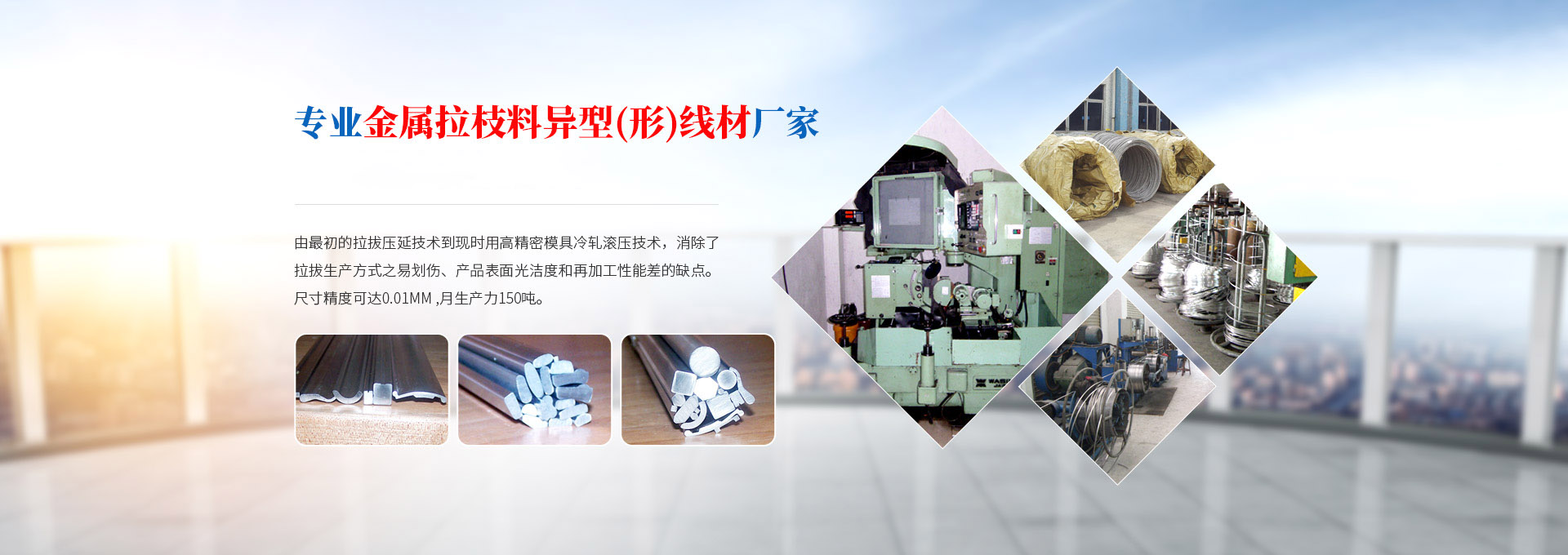
Roller Die Design Optimization: The design of roller dies significantly impacts the shape and quality of stainless steel special-shaped wires. By optimizing the roller die design, such as incorporating the principle of worm gear transmission and eccentric circular adjustment method, the stability of the roller die transmission process can be enhanced, noise reduced, and equipment stiffness improved. Additionally, the rolling force, the relationship between fixed die drawing deformation and force, and the calculation of the tension mechanism can also be optimized, ensuring the shape and dimensional accuracy of the stainless steel special-shaped wires.
Welding Process Optimization: For stainless steel alloy wire products that require welding, the adoption of appropriate welding methods (such as manual arc welding, gas shielded welding, laser welding, etc.) can enhance welding quality and efficiency. Additionally, during the welding process, it is crucial to control parameters like welding temperature, speed, and pressure to avoid defects and deformation.
Surface Treatment Optimization: The surface treatment of stainless steel alloy wire is also a crucial step in enhancing its quality and performance. By employing appropriate surface treatment methods (such as polishing, sandblasting, and acid pickling), the oxides and impurities on the surface of stainless steel can be removed, thereby improving its smoothness and corrosion resistance.
Introducing New Technology: With the continuous advancement of technology, some new techniques have also been introduced into the production of stainless steel alloy wire. For instance, the adoption of advanced technologies such as laser cutting and CNC machining can enhance processing precision and efficiency, as well as reduce production costs.
