
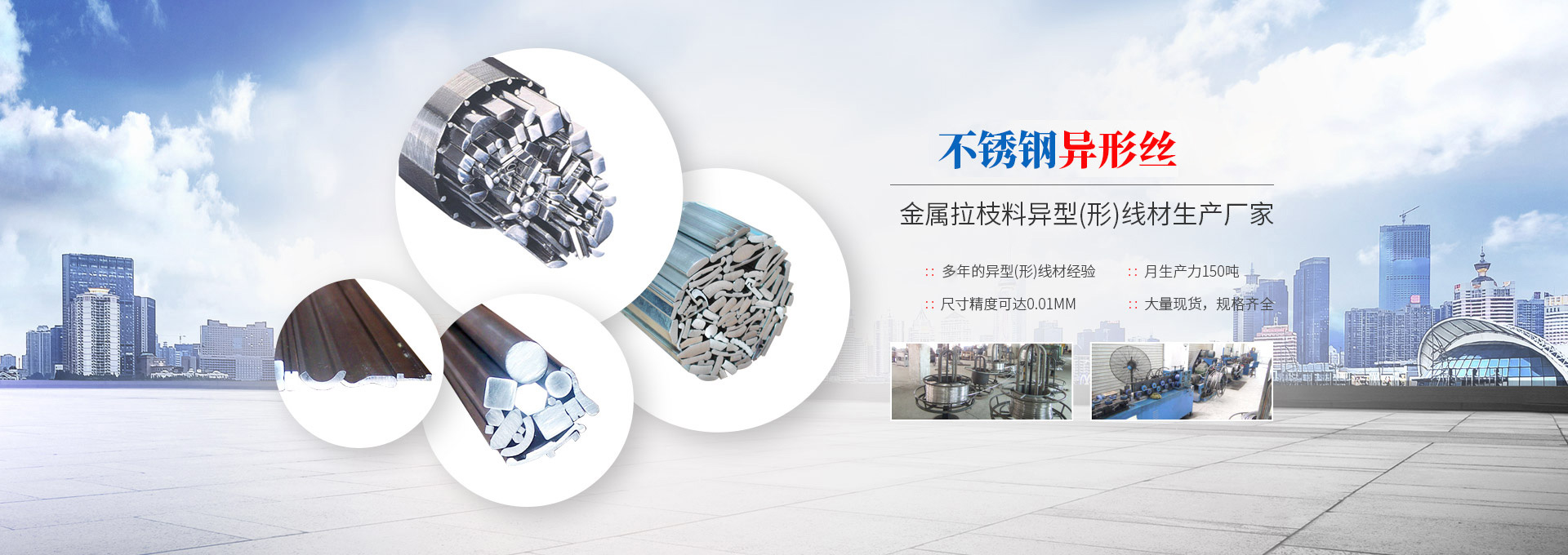
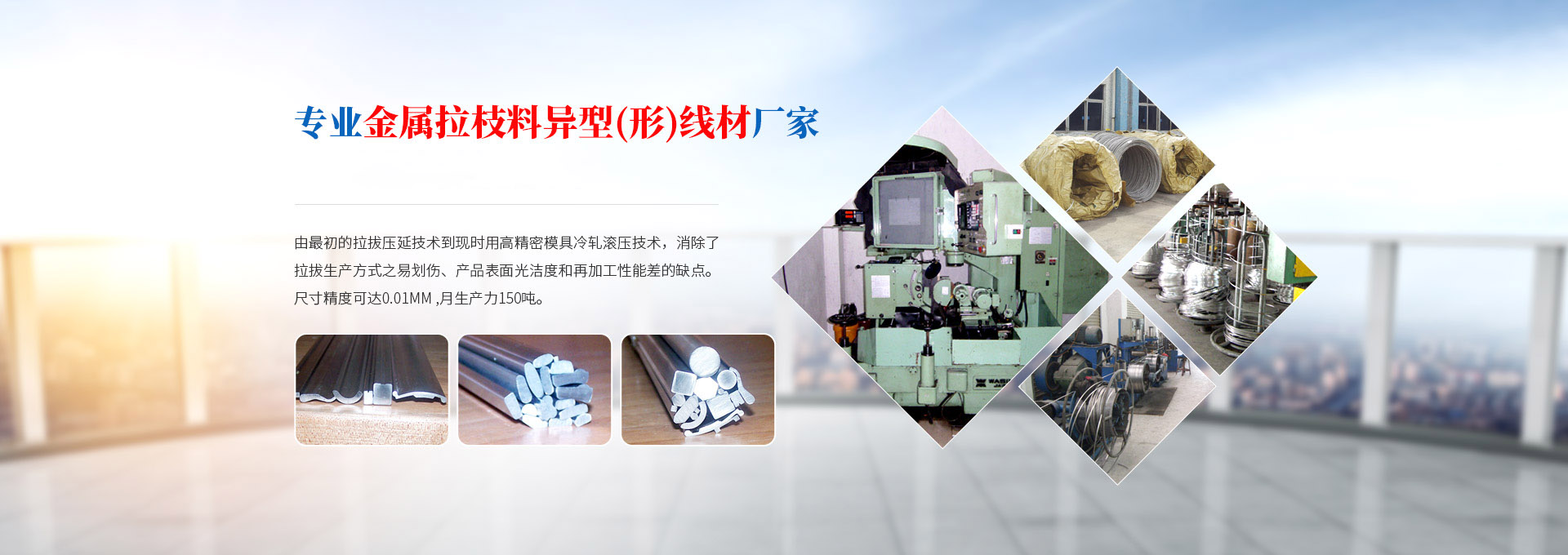
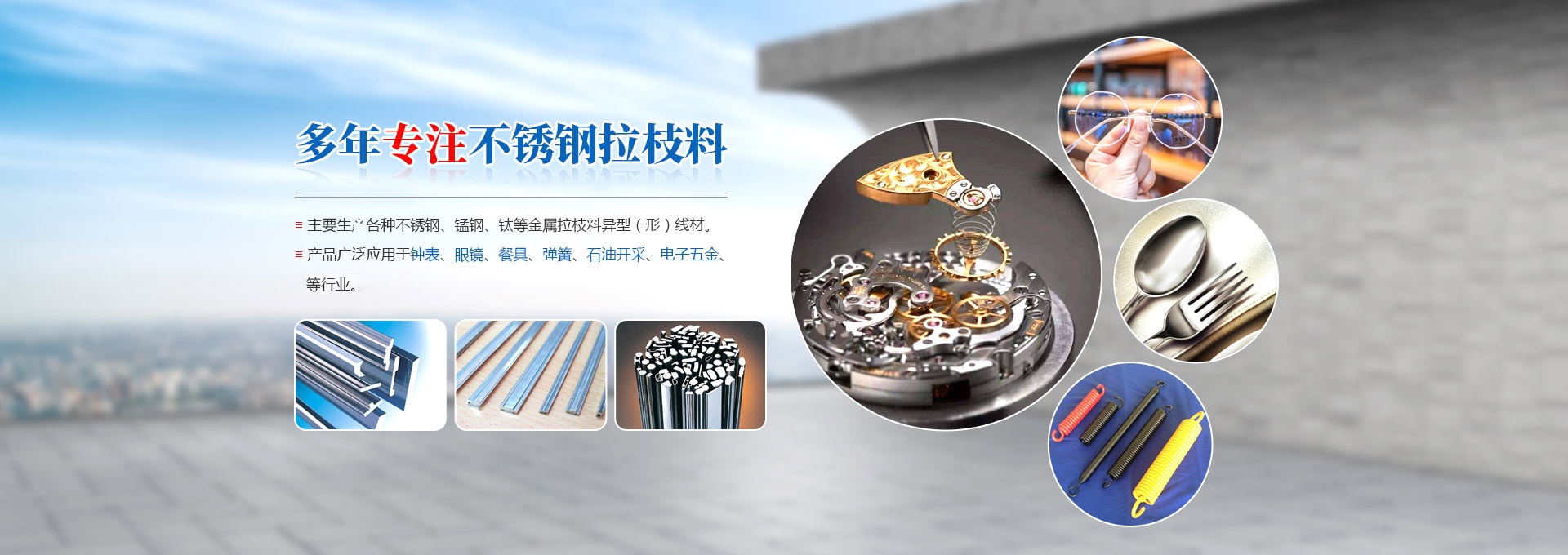

During the processing and use of non-standard materials, it is crucial to be cautious of overstretching issues to ensure their performance and lifespan. Here are several common tips to avoid overstretching:
Selecting Appropriate Materials: Different non-standard materials possess varying physical properties and mechanical characteristics. When selecting materials, ensure their strength and ductility meet the anticipated application requirements.
Proper structural design: During the product design phase, material elongation and stress distribution should be taken into account. Avoid overly complex or excessively stretched structures to minimize the generation of tensile stress.
⑶ Process Control: During the processing of non-standard materials, stringent control over process parameters such as temperature, pressure, and speed should be maintained. Avoid excessive stretching or compression during the processing to ensure that the material's shape and properties remain unaffected.
Utilize appropriate fixtures and tools: During the processing and assembly, using suitable fixtures and tools can effectively reduce material tensile stress. Fixtures should be stable and reliable to prevent excessive deformation during the processing.
Be mindful of temperature and humidity effects: The properties of non-standard materials may be affected by temperature and humidity. In high-temperature or high-humidity environments, the material's tensile properties may change. Therefore, attention should be given to maintaining appropriate temperature and humidity during storage and use.
Regular inspections and maintenance: For long-term use of non-standard material products, regular inspections and maintenance should be conducted. Potential stretching issues should be identified and addressed promptly to prevent further development that may lead to material failure.
