

Believe it or not, in our daily lives, we encounter all sorts of clothing. Pleated garments are particularly prominent in women's fashion, offering a three-dimensional look that exudes a natural elegance. However, you might wonder why pleating is necessary in clothing design. Below, we've compiled some relevant information.
The art of garment pleating, with its characteristic seamless seam appearance and craftsmanship, coupled with its infinite variety of pleat decorative designs, is particularly vibrant and full of potential in today's fashion industry. The pleating process is the focus of garment pleating design. The design techniques for texture patterns are versatile and varied, and the "personality expressions" of the pleats differ according to the production methods. The style of garment pleating is unique in its own right: abstract patterns are mainly geometric, while concrete patterns are mainly floral and plant-based, combining both realistic and interpretive expressions. Combined with the design changes in the structure and silhouette of the garment, this creates the outward appearance of the pleated garment.
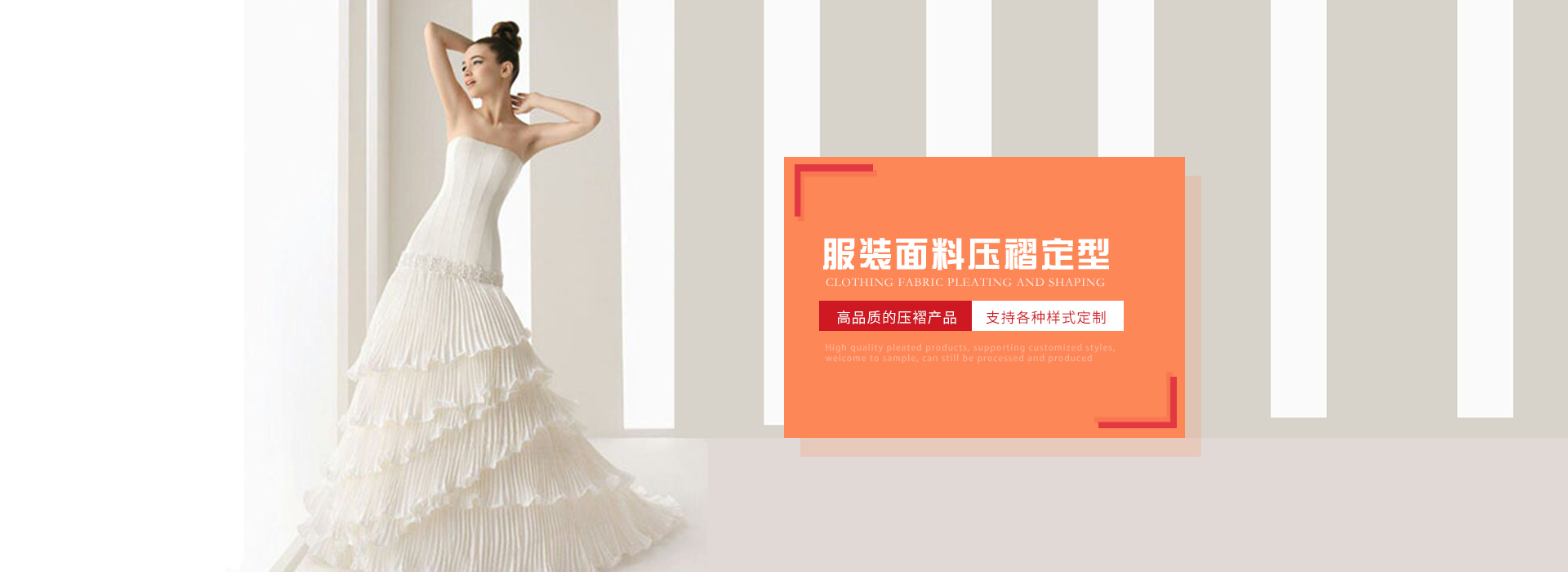
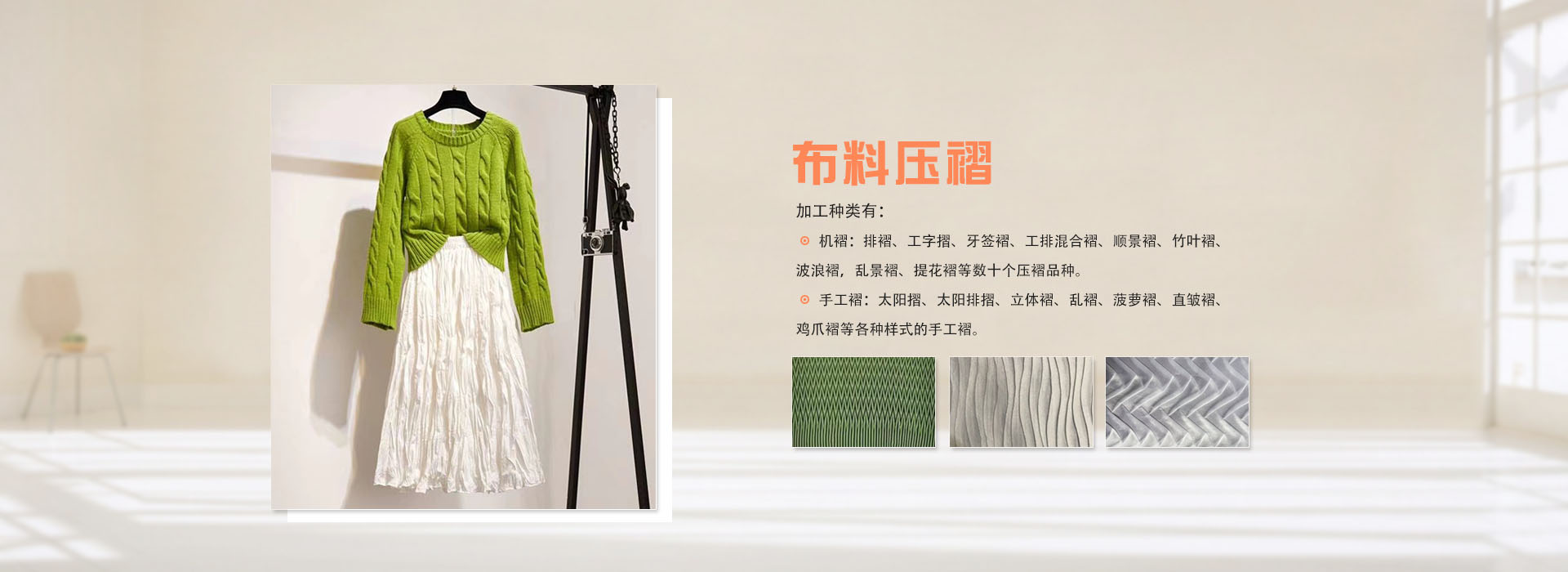
The pleated design is diverse and abundant, featuring up to 12 different techniques to express the varying beauty of clothing. Fine, pleats in various directions create different light and shadow effects on the originally two-dimensional fabric surface, thereby achieving transitions in color brightness and the blending of different colors. The flat visual effect of pleats typically changes with the curvature of the body space and body movement.
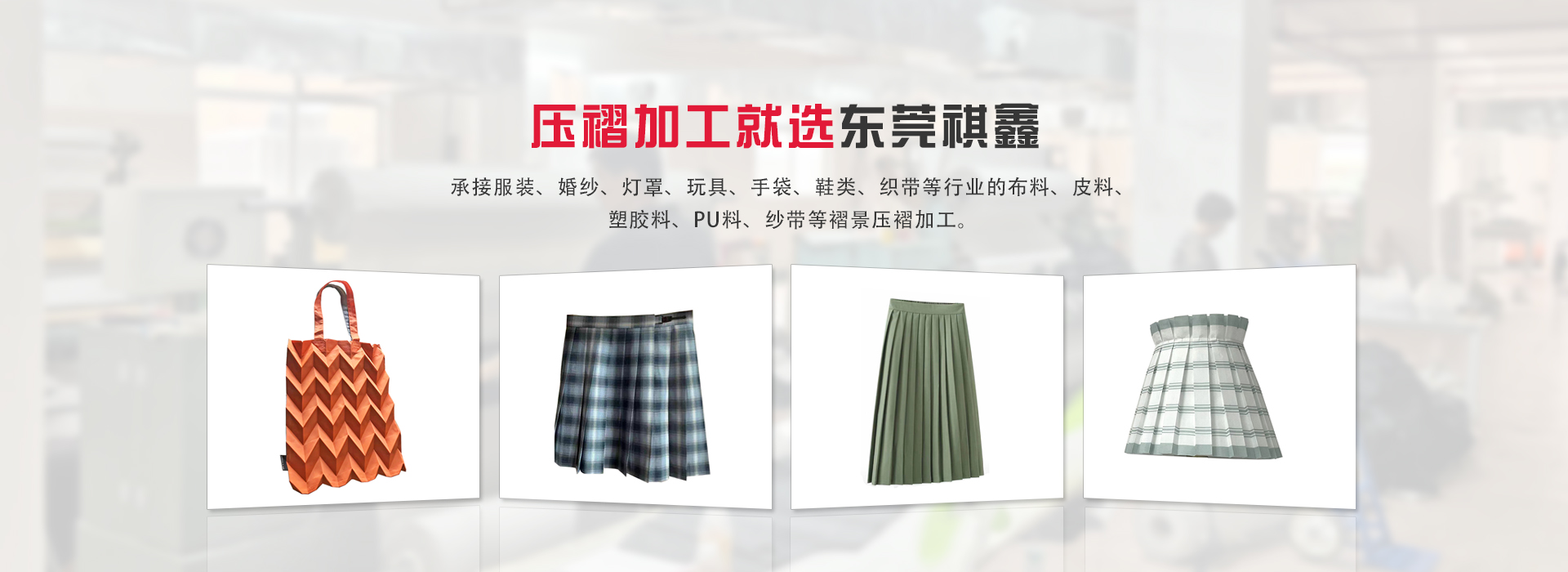
Pressed pleated clothing is a unique design technique in fashion, blending artistic aesthetics, diverse styling, naturalness, meticulous craftsmanship, and scientific logic. The pressed pleats are easy to wear, can be compressed without distortion, remain light and wrinkle-free, and do not require ironing. Due to their unique spatial shaping, they can also enhance the three-dimensional lines of the human body. At the same time, they offer strong elasticity and generous slackness, breaking through the limitations of clothing sizes, making them more comfortable and fitting to wear. This represents a revolution in traditional clothing fabrics.
Creases, consisting of fabric pleats, folds, garment pleats, and ripples, are decorative lines that not only add a lively movement to the pleats, whether in solid colors or in contrasting hues, but also enhance a woman's charm and elegance.
