



Heat Exchanger Core Introduction
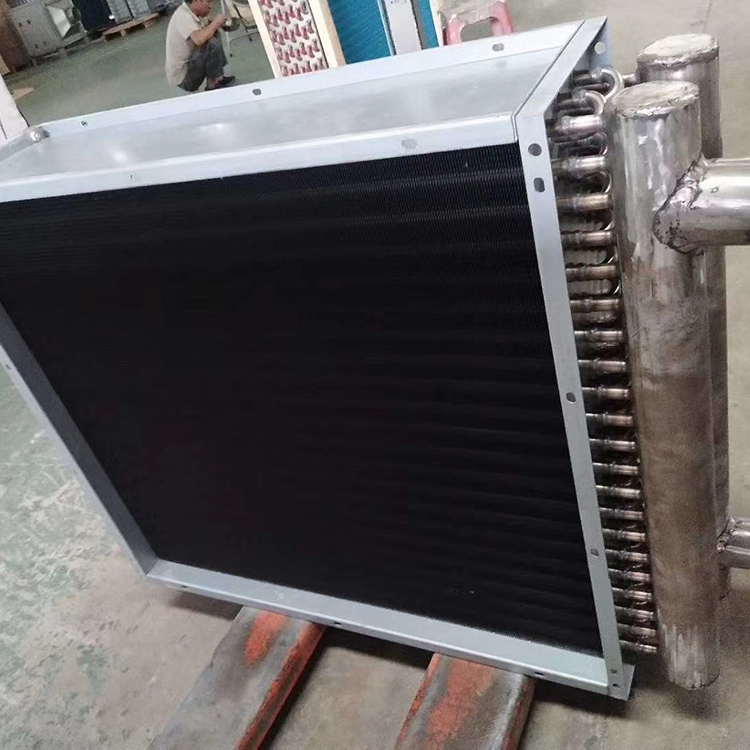
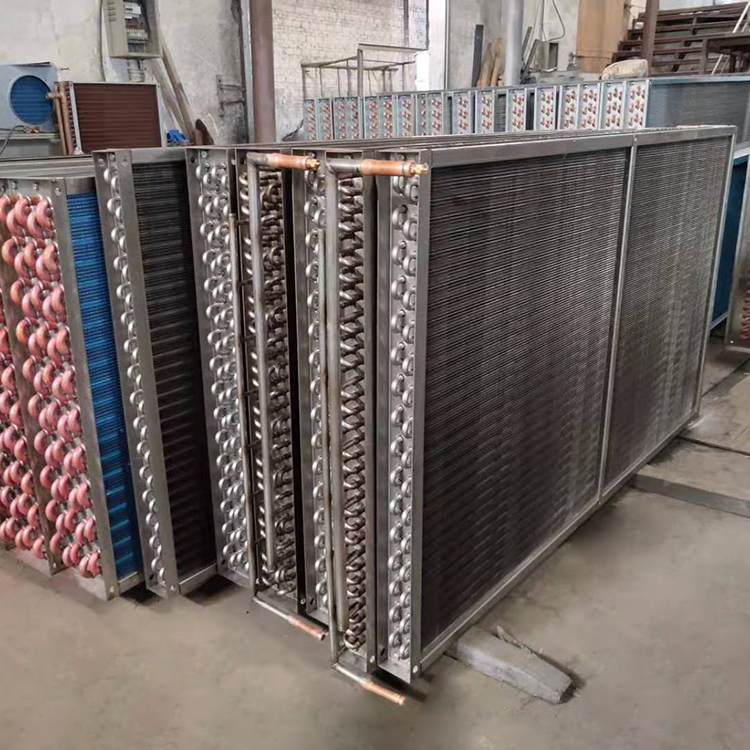
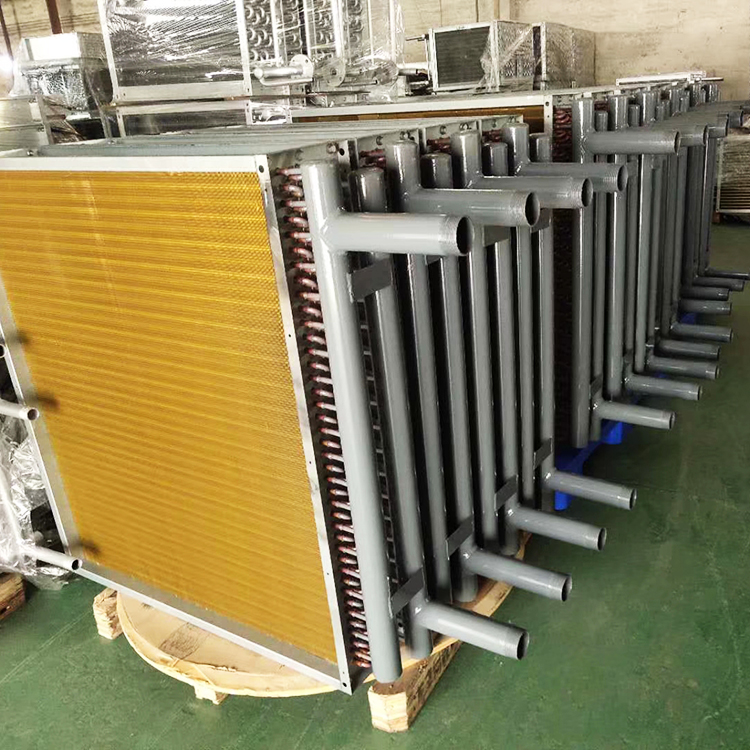
The heat exchange core is an energy-saving device used for energy recovery in air conditioning exhaust. Its main components include the shell, the heat exchange core, and the filter. Due to the use of materials with thermal conduction and permeability in the heat exchange core, it can pre-cool and dry fresh air in summer and preheat and humidify fresh air in winter when applied to air conditioning systems, significantly reducing the fresh air load. This leads to energy savings in the cooling and heating systems, which is highly beneficial for small-scale systems in terms of reducing operation costs and peak electricity consumption. The total heat exchange efficiency is related to the structural characteristics of the heat exchange core, the airflow ratio through the core between the two streams of air, and the incoming air parameters.
Membrane-type Full Heat Recovery Air-to-Air Exchanger (Full Heat Recovery Core)
The energy from indoor exhaust air can be utilized to pre-cool (or heat) the incoming outdoor fresh air, thereby reducing the energy consumption of the fresh air system. Incorporating a full heat exchanger into the central air conditioning system not only improves indoor air quality but also effectively reduces the fresh air load, diminishes the installed capacity of cooling and heating source equipment, enhances the operational efficiency of the air conditioning system, and saves on system operation costs.
A full heat exchanger that can both heat exchange and ventilate simultaneously, to achieve energy efficiency and comfort.
Right-angled cross-ribbed finned plate gas-to-gas heat exchanger
A representative material for a full heat exchanger, consisting of specially processed baffles and spacers. The air flow paths for intake and exhaust gases are completely separated by the baffles, ensuring that intake and exhaust gases do not mix, thereby maintaining the introduction of fresh external air. Through the special processing of the paper in the full heat exchanger material, utilizing its thermal and moisture permeability properties, heat transfer (sensible heat) occurs during the exchange when the intake and exhaust gases pass through the material; and the exchange of full heat is achieved by utilizing the humidity (latent heat) difference through the pressure difference of water vapor across the specially processed paper in the baffles.


