

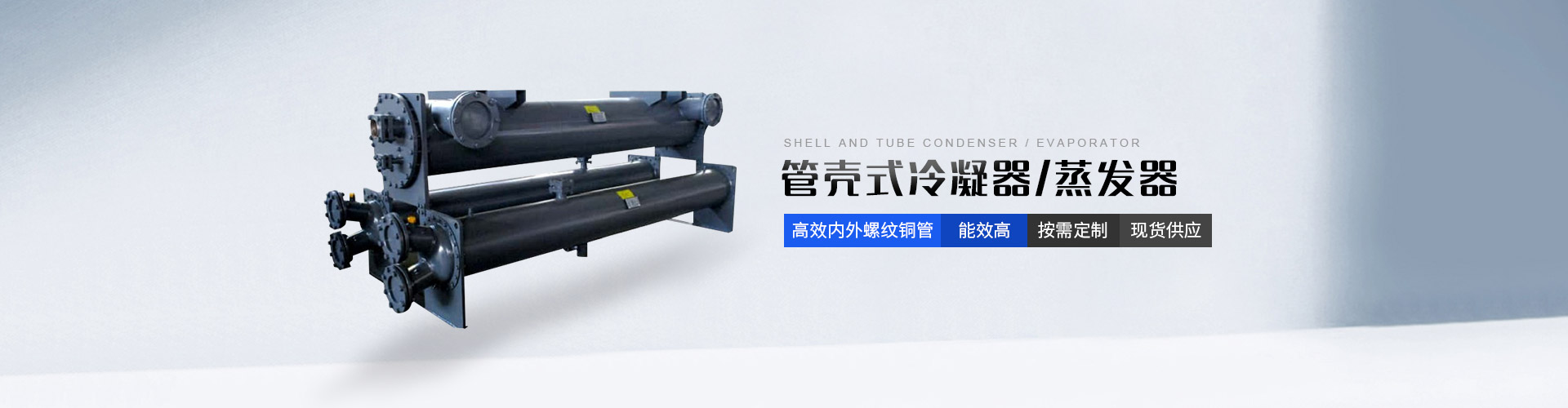
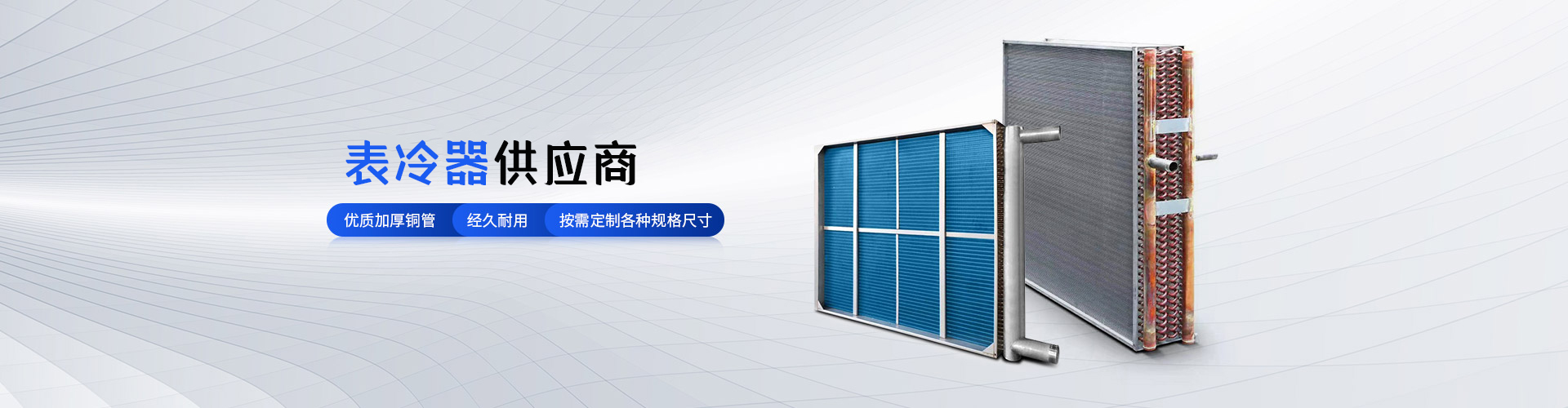

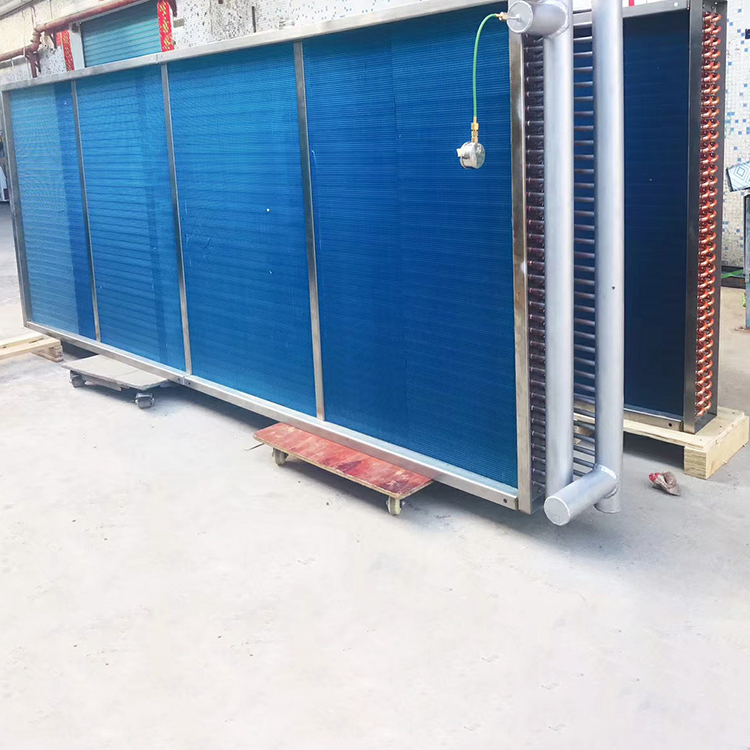
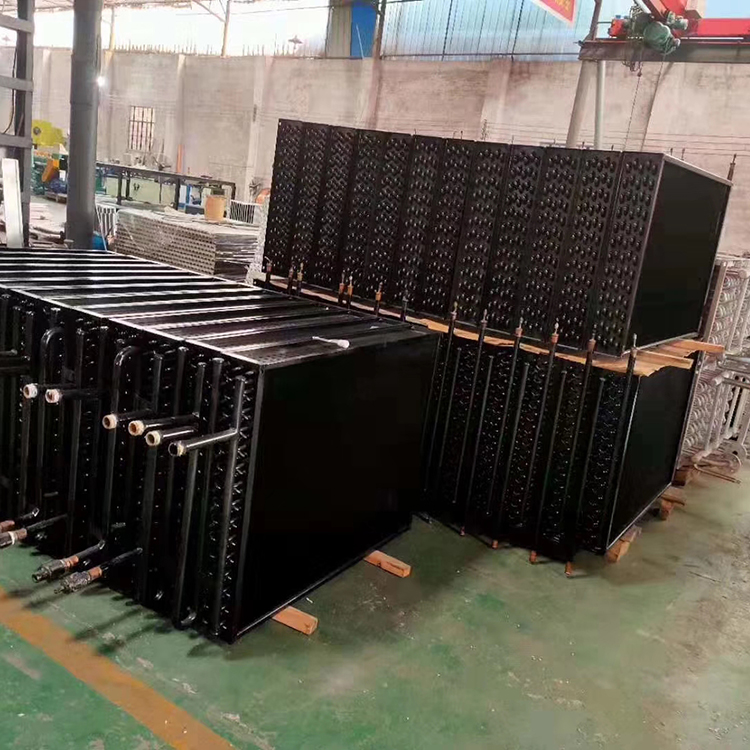
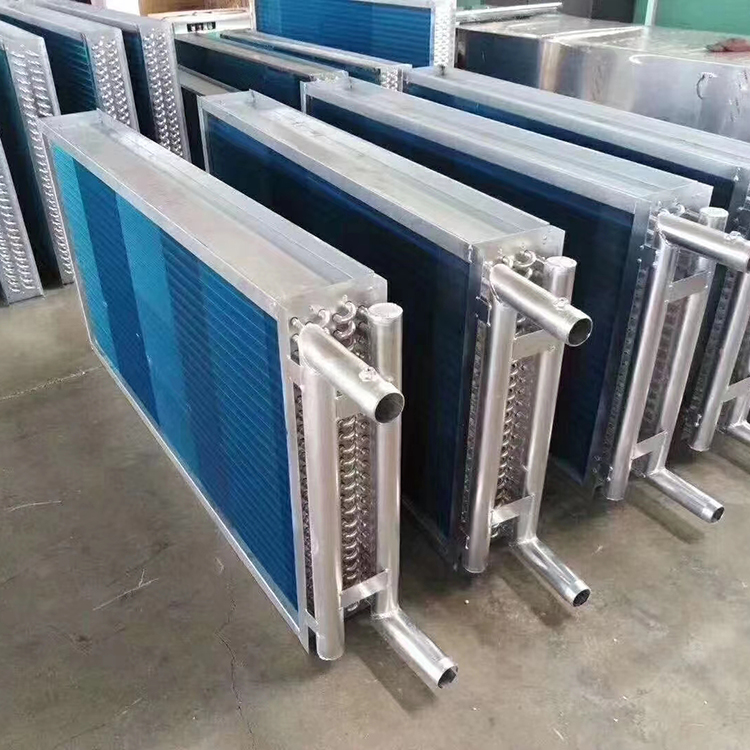
The evaporative cooler is the heat exchanger of the fan coil unit, whose performance determines the unit's ability to transfer cold (or hot) quantities and its impact on air volume. This equipment is commonly found in most air conditioning systems.
The aluminum fin of the air conditioner's cooling coil is designed with a double-bend louver shape, ensuring turbulent conditions for air heat exchange, thereby significantly enhancing the heat transfer efficiency. The aluminum fins of the cooling coil undergo a rigorous three-step cleaning process in the factory: metal cleaner, custom high-quality air conditioner condenser, evaporator, and finned heat exchangers ultrasonic cleaning, followed by a clear water rinse. This ensures there are no residues on the fins, allowing air to flow more smoothly and fundamentally guaranteeing the reliability of heat exchange.
The Function of the Evaporator:
The refrigerant absorbs heat within the cooling coil, gradually lowering the temperature of the cooled space.
The air handling unit's coil cooler cools the air passing over the heat exchange fins by circulating chilled water (refrigerant water) inside. The fan then delivers the cooled air to the space for cooling. The chilled water, carrying the absorbed heat, returns to the refrigeration unit through the return pipe of the coil cooler, releases the heat, cools down, and is then sent back to the coil cooler to absorb heat from and cool the air passing through, continuously cycling.
The finned air heat exchangers with chilled water as the medium are generally referred to as surface coolers, commonly using Ф16 copper pipes (hole spacing of 38, row spacing of 33). In recent years, surface coolers with Ф12.7 copper pipes (hole spacing of 31.75, row spacing of 27.5) have also gained widespread application.
The evaporative cooler is manufactured using mechanical expansion tube technology, ensuring excellent heat exchange performance.
The condenser header material can be galvanized pipe, copper pipe, or stainless steel pipe; the condenser fins can be plain aluminum foil or hydrophilic aluminum foil; the condenser end guard can be galvanized plate or stainless steel plate.
Qinjiang Company can calculate and design the surface condenser based on the provided air volume, inlet conditions, external dimensions, chilled water inlet temperature, cooling capacity (or outlet conditions required), and assume the responsibility for the thermal performance specifications of the surface condenser.


