


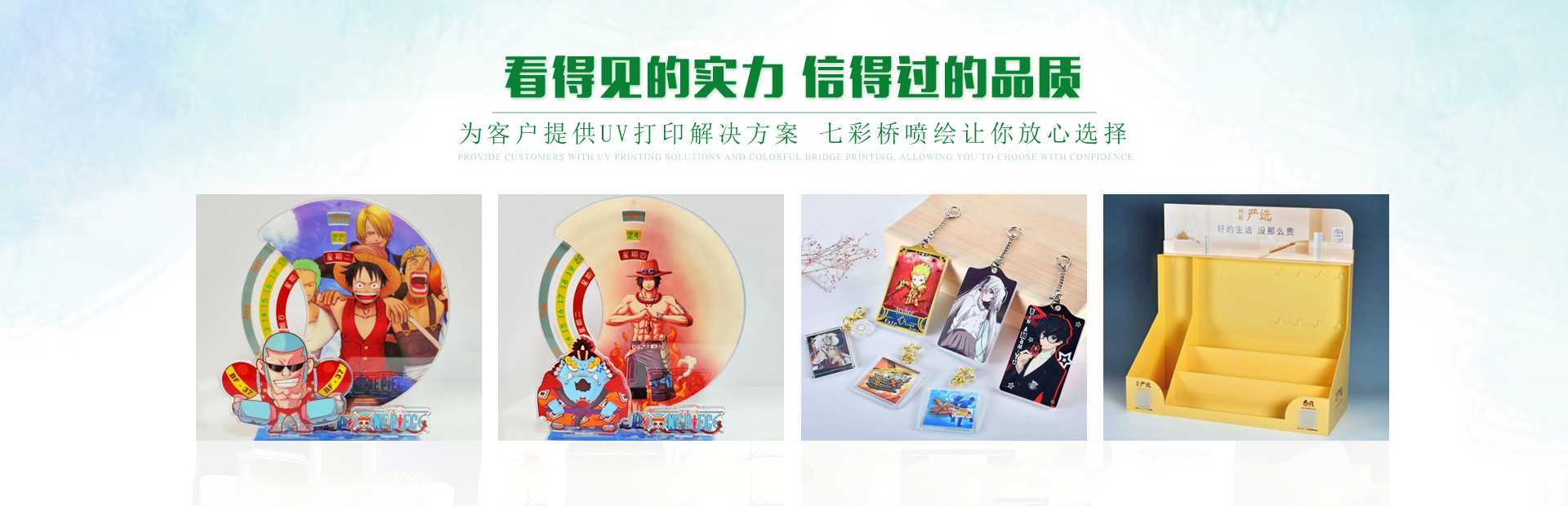

Screen printing is a fundamental and relatively traditional technique in the advertising industry, boasting unique features and advantages that cannot be substituted by other methods. Compared to other hand-painted techniques, it offers a more delicate and realistic depiction, capable of achieving hyper-realistic representations of objects, resulting in an almost indistinguishable visual effect.
The advertising production industry is actually an ancient profession, spanning from the ancient creation of shop signs to the modern hand-painted signboards, all of which fall under the scope of advertising production.
With the advancement of technology, the industry has undergone a fundamental transformation, primarily evident in the changes to the methods of image creation.
The hand-painted sign with paint is manually operated, and due to the inherent limitations of the paint itself, the images appear rigid, coarse, and unattractive, with quality that cannot be guaranteed. Later, the screen printing process emerged, which made significant improvements in image quality compared to hand-painted paint. However, due to the involved processes such as plate-making, the cost is excessively high for small batches, and the technology still falls short for large-format printing. Even with backlit printing, it's challenging to ensure even and accurate color distribution. The introduction of computer technology has greatly changed the situation.
