
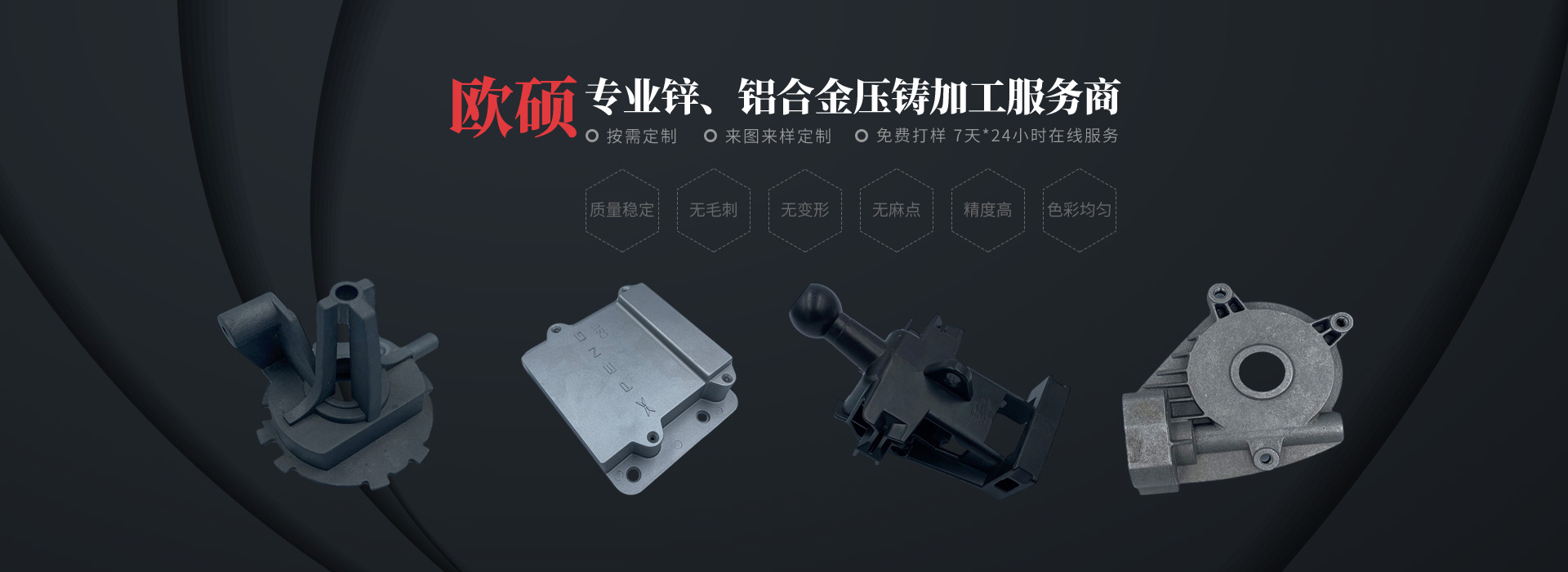

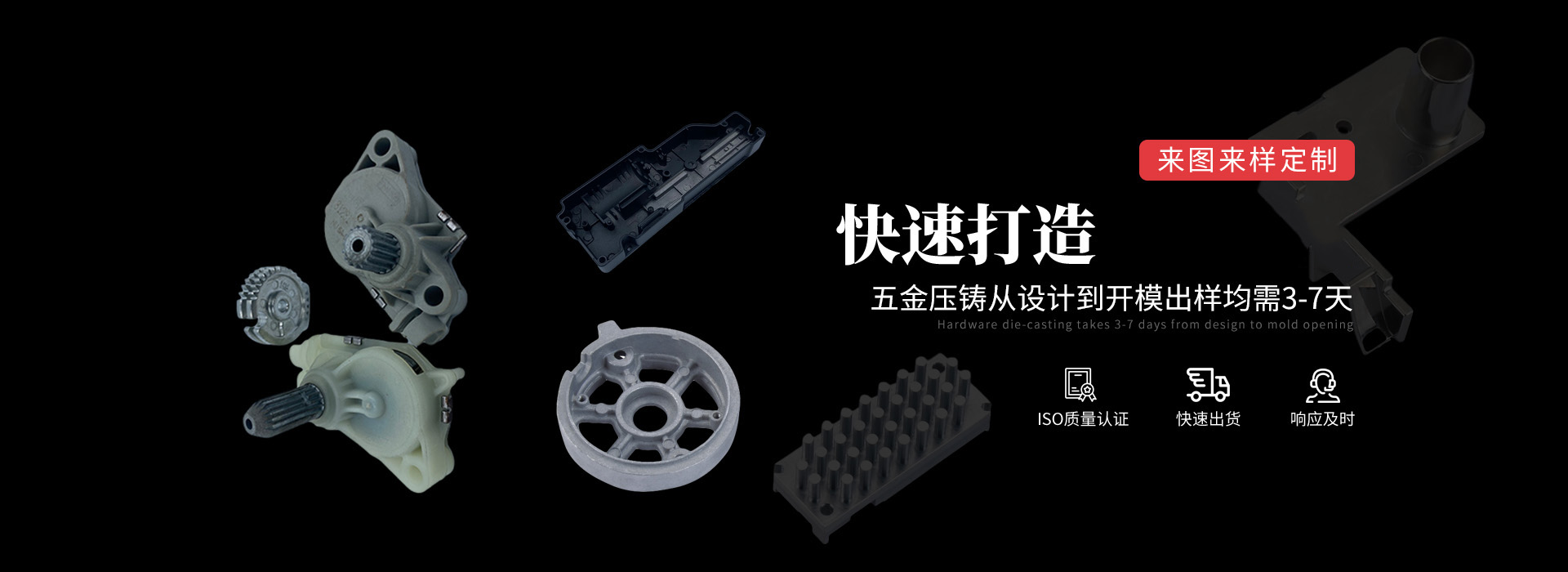

Zinc alloy die casting is a precision casting technique that involves forcing molten metal under high pressure into a complexly shaped metal mold. It is a refined casting method. The production of zinc alloy die castings begins with the installation of the mold, and the person responsible for the mold installation must be familiar with the process documents, understand the mold installation methods, the structural characteristics of the mold, and the installation conditions. So, how should the installation of zinc alloy die casting molds be checked?
Inspect the mold first by checking the label to gather basic information, then examine the mold's external dimensions, ensuring the length and width can fit on the selected die casting machine and are within the rod spacing. If there is a hydraulic cylinder, check if it can be directly mounted. If not, determine if it can be reconnected to the mold after mounting.
Next, inspect the total height of the mold, which should be greater than the machine's opening gap. Additionally, the total height of the mold plus the mold opening stroke should be less than the machine's opening gap. Then, check the mold opening stroke to ensure that the casting is properly ejected and removed after the mold is opened. Examine the mold fixing holes, the dimensions and orientation of the hoisting slots, and whether the mold cooling water pipe installation interferes. Verify if the pin position matches the machine, if the pull rod has the correct thread pattern, and if the runner and sprue fit and size are appropriate for the machine nozzle.
Molds are a crucial component of zinc alloy die-casting machines. To ensure production quality, it is necessary to inspect the mold cavity if required. The mold assembly surfaces must be cleaned and free from any oil or debris. Any liquid film on the edges, known as flash, must be thoroughly removed before the mold can be transferred to the assembly station.
