

Due to the limited chip space in deep-hole boring machines and the difficulty in chip and chip removal, any negligence can lead to hole holes, excessive cutting friction, damaged drill bits, and compromised bore diameter accuracy.
During deep hole drilling operations, the coolant often struggles to reach the cutting zone, leading to insufficient dissipation of cutting heat. This results in excessive heat buildup in the drill tools, ultimately reducing the lifespan of deep hole drilling machine cutters.
Due to the long and slender tool length of deep hole drilling machines, they have poor rigidity and are prone to vibration during high-speed rotation, leading to drilling deviation and misalignment of the hole center.
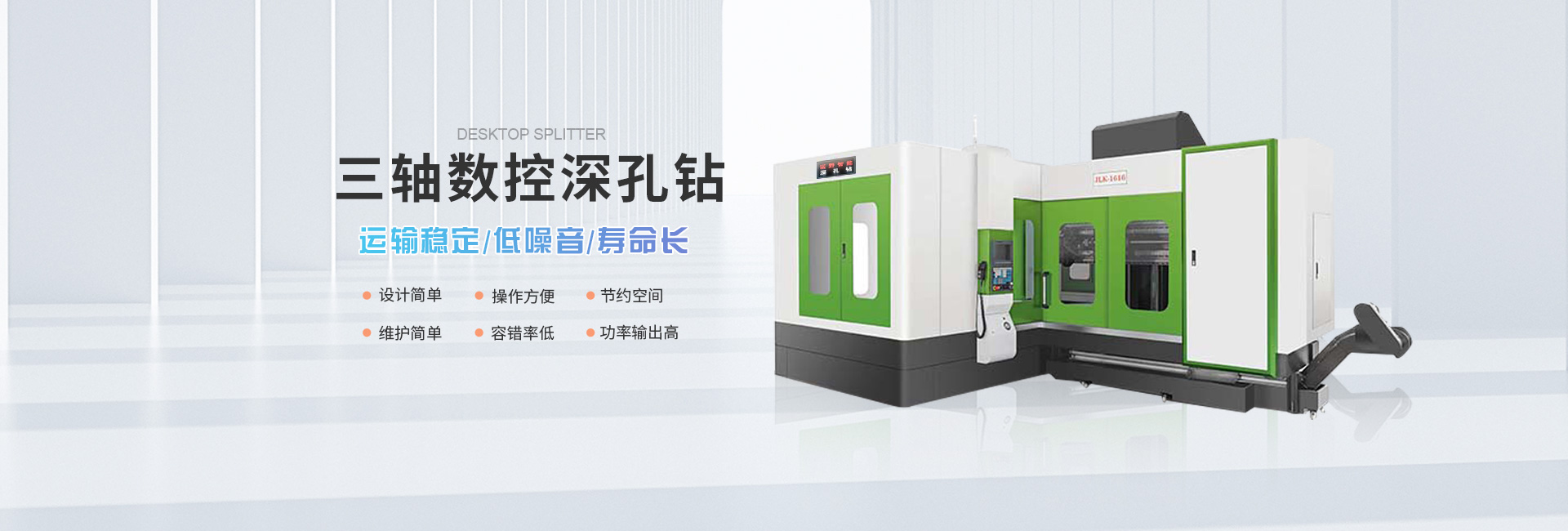
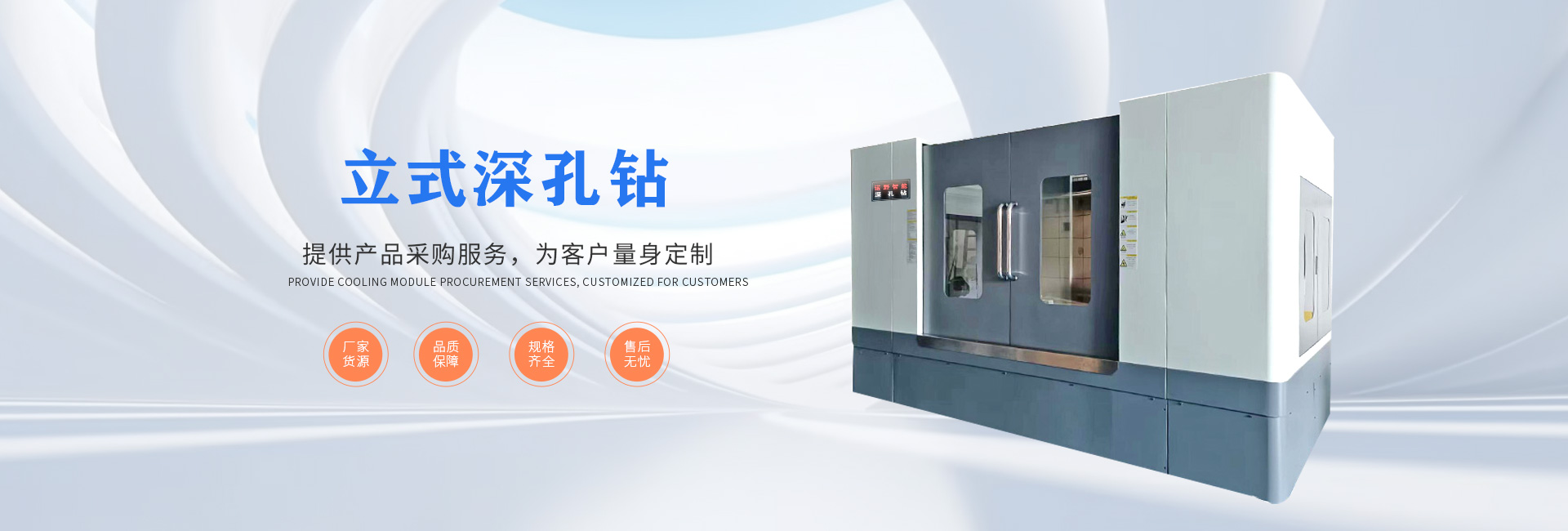
Deep hole drilling machines represent advanced hole processing technology, offering precise machining effects with a single pass. The holes produced have accurate positioning and excellent dimensional accuracy; high straightness and coaxiality, along with high surface finish and repeatability. They facilitate the processing of various deep hole shapes, including cross holes, oblique holes, blind holes, and flat-bottomed blind holes, among others. Not only are they suitable for machining deep holes with large length-to-diameter ratios (up to 300 times), but they can also be used for shallow holes, with the smallest drilling diameter reaching 0.7mm.
