
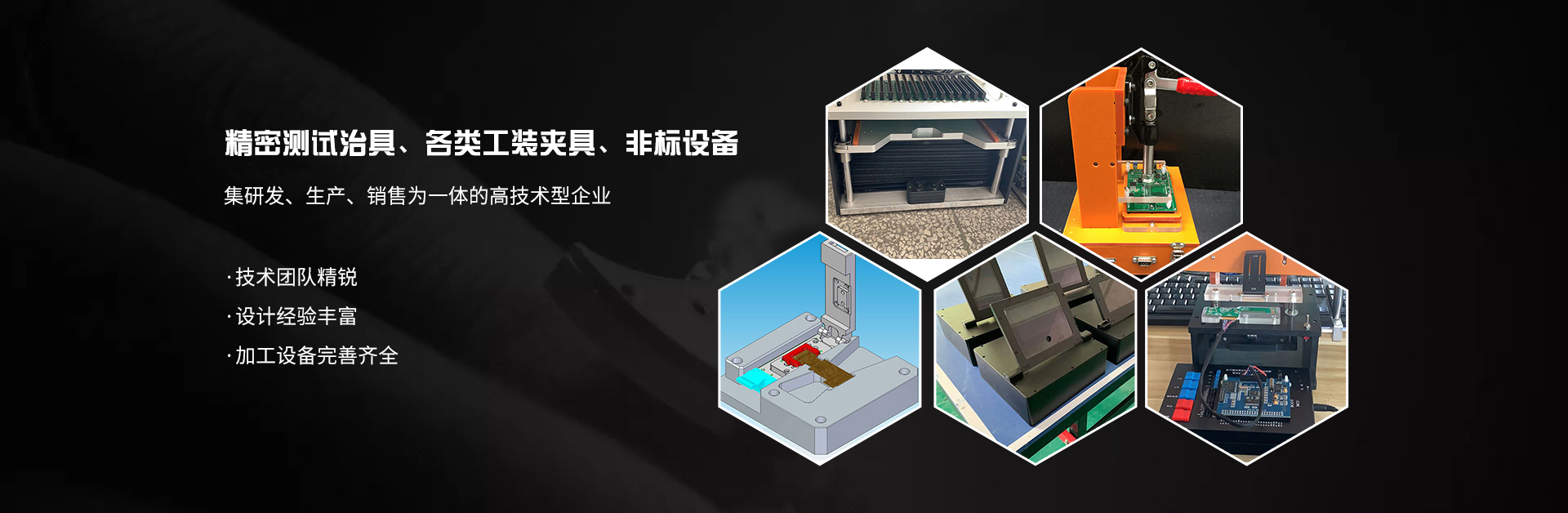
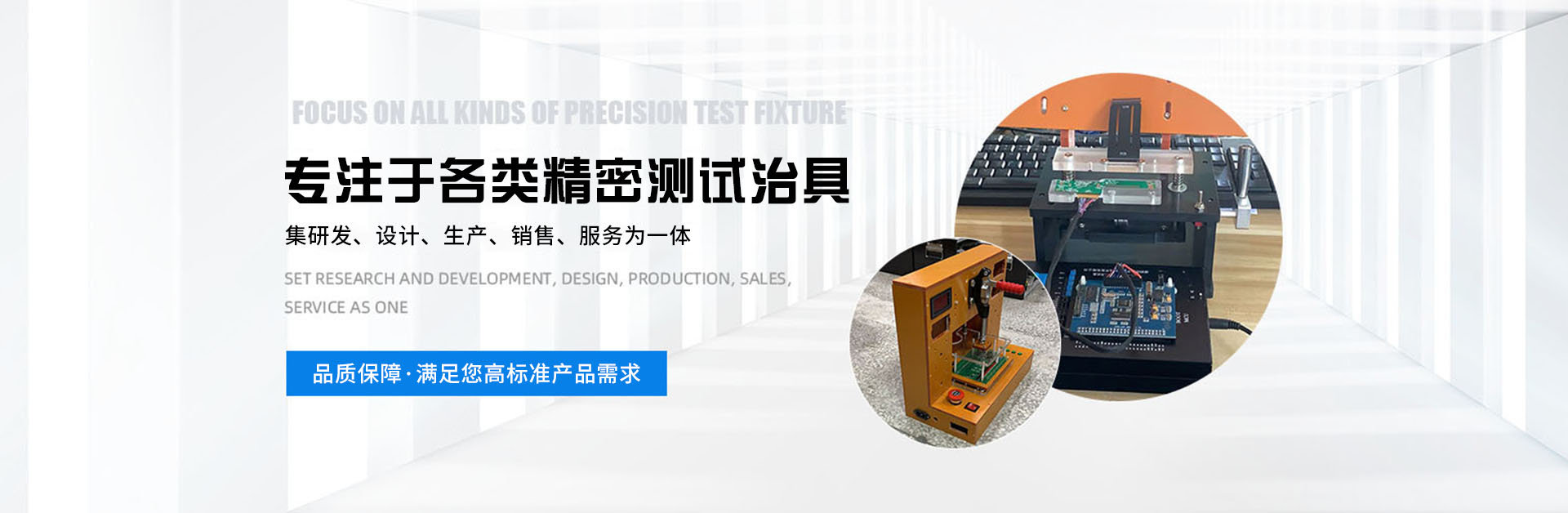
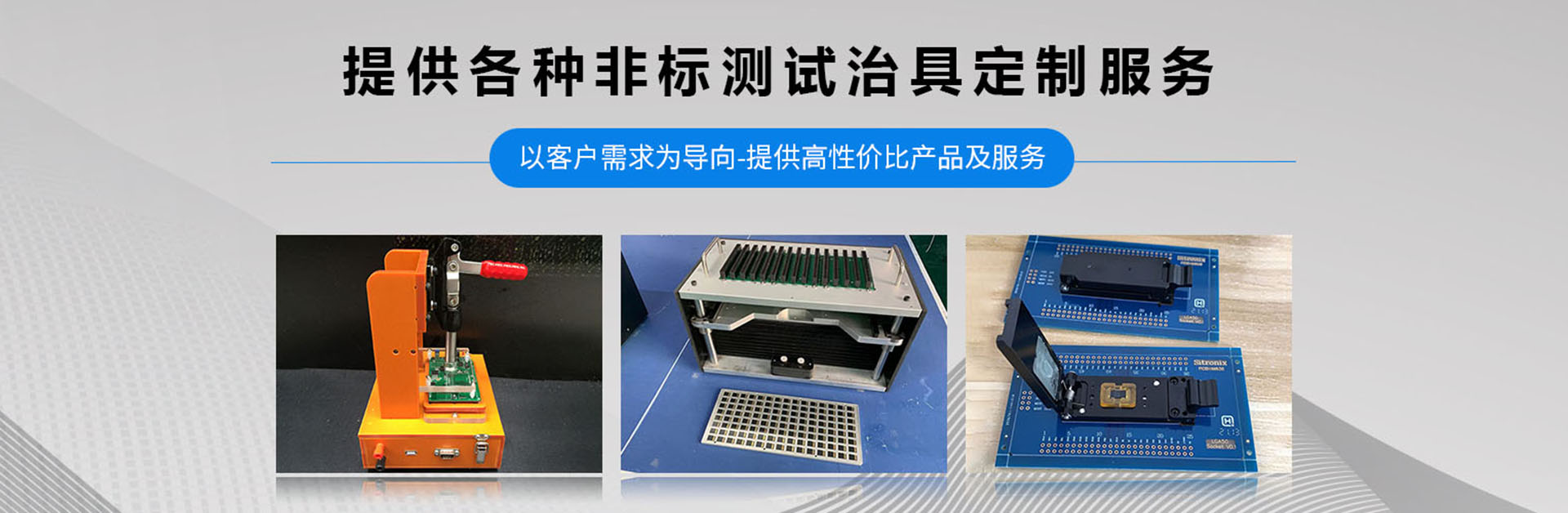

Jigs are a broad category of tools used in woodworking, metalworking, machining, electrical control, and other handcrafts, primarily serving as aids to control positioning or movement (or both). Jigs can be categorized into three types: process assembly jigs, project testing jigs, and printed circuit board testing jigs.
Prevalent before the Industrial Age, fixtures have been widely used across various fields, including mechanical, woodworking, welding, jewelry, and others. Certain types of fixtures are also known as "molds" or "jigs," primarily designed for the repetitive and accurate duplication of parts. A clear example is when duplicating keys; the original key is typically secured in the fixture, allowing the machine to replicate a new key guided by the appearance of the original.
Many fixtures are created due to commercial needs, as numerous types of fixtures are customized. Some are designed to enhance productivity, repeat specific actions, or make work more precise. Since fixture design is essentially based on logic, similar fixtures may be developed separately due to use in different times and places.
A drilling fixture is a type of fixture that can guide a tap or other drilling device to the precise center of each hole by moving a mold, and it can accelerate repeated centering of the holes on multiple interchangeable parts. In metalworking practice, the typical approach is to leave a hardened bushing in each hole of the drilling fixture to prevent the tap from cutting into the fixture.
Due to the widespread use of CNC machines in manufacturing, which have the ability to automatically move tools to the correct position, the need for drilling fixtures (and the work of drilling fixture operators) has decreased compared to before.
