
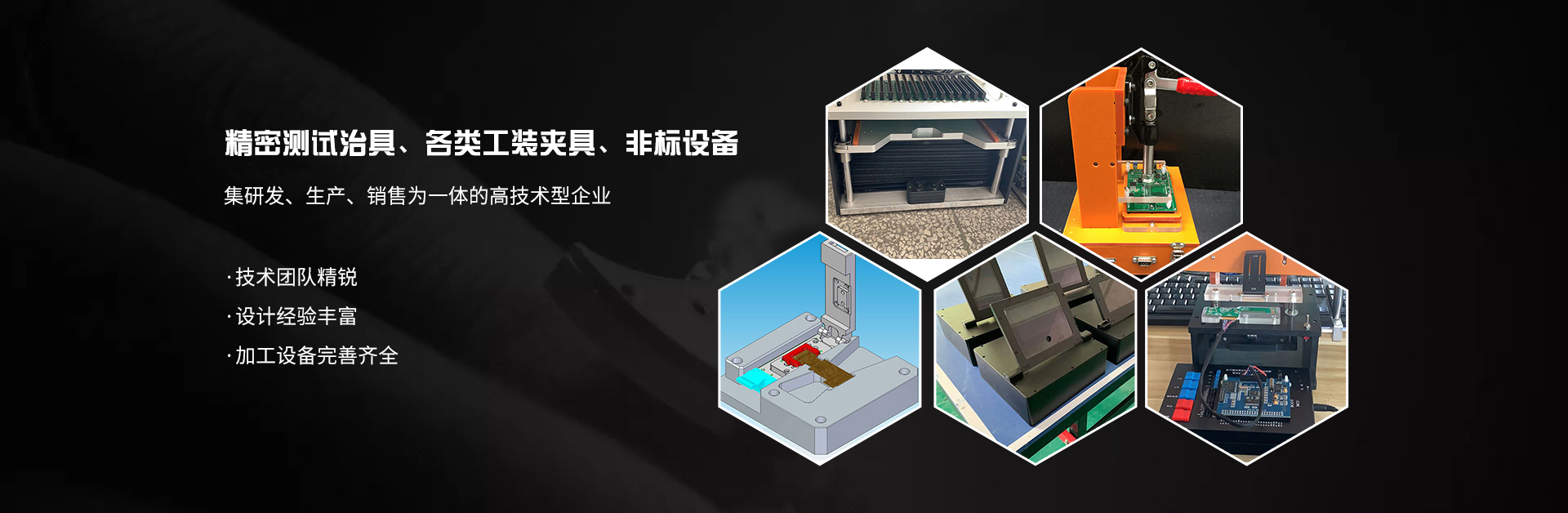

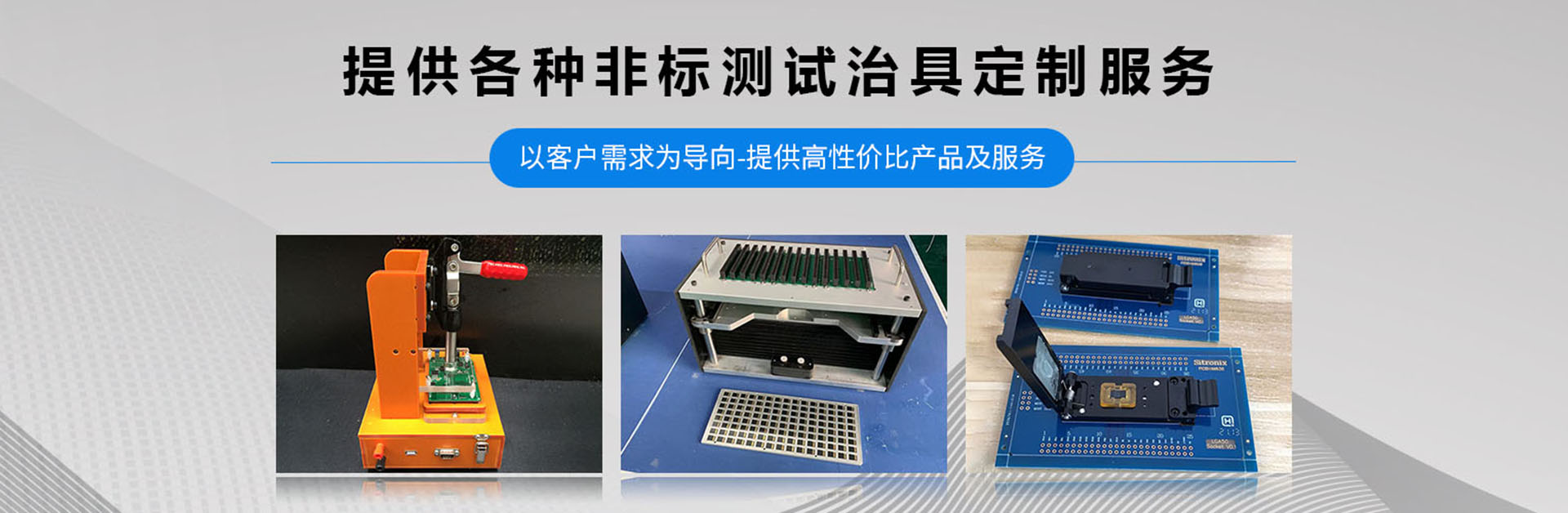

A Test Fixture is an IC-SOCKET used for testing CPUs and other chips, which boasts not only exquisite design but also high positioning accuracy, stable functionality, and utilizes probe contacts from 038-078. What should you be aware of before using it?
1. Selecting the Appropriate Measuring Fixture
Measurement fixtures are a crucial component of ICsocket test fixtures. For different products, there are various measurement fixtures available for LCR as well. Therefore, we must select the appropriate measurement fixture to ensure both convenient and quick measurements, as well as accuracy.
2. Selecting the Proper Test Conditions
The reference values provided by the component manufacturer represent the conditions to be met and the allowable deviations that can occur under specified test conditions.
3. Proper Zero-Point Calibration
The zero-point drift of the test fixture can vary with changes in test conditions or different fixtures, making zero-point calibration equally crucial.
The fixture is stored in the fixture storage room after it is made, placed on the iron rack of the fixture, and properly labeled with the model number. When the fixture experiences broken needles and aging, needle replacement maintenance can be performed to continue its use. If the fixture is damaged beyond repair and no longer in use due to customer change, an application for scrapping and re-manufacture can be made. The fixture issuance is recorded by the responsible person in the electrical testing room, and upon completion, it is returned to the fixture room with proper handover procedures.
