

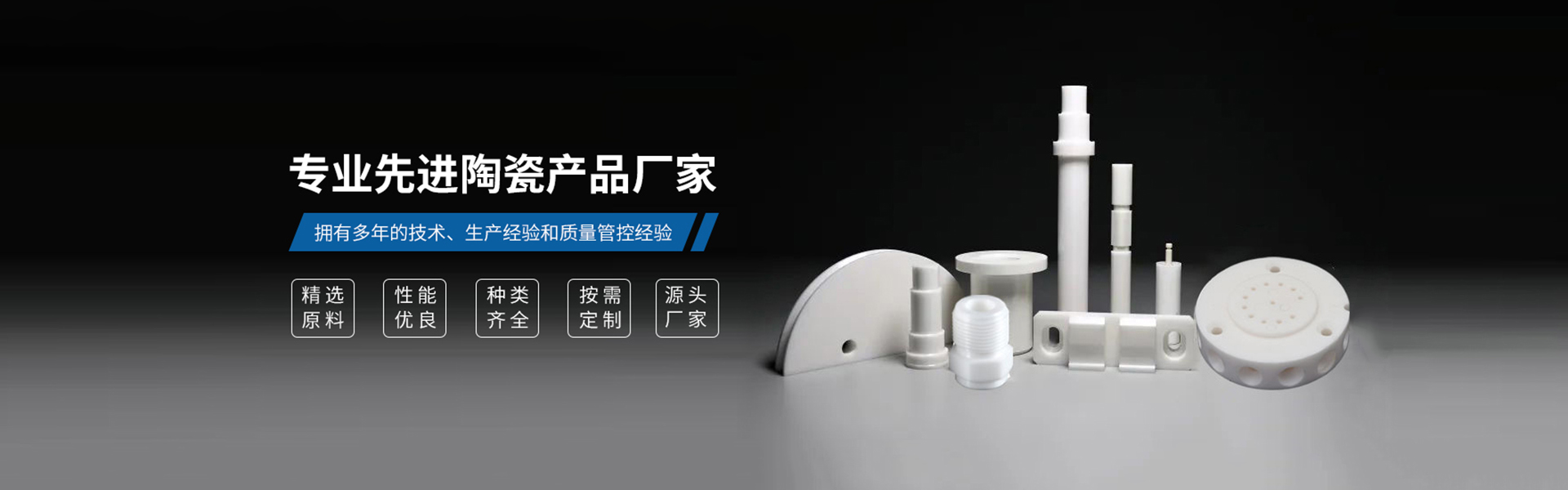
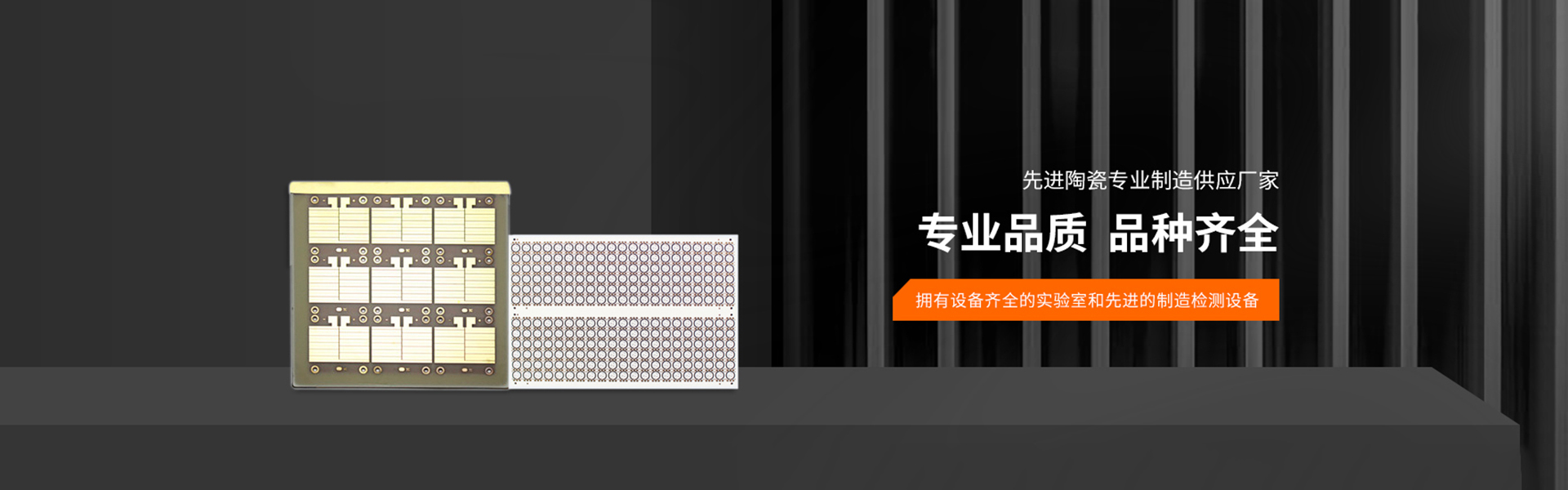
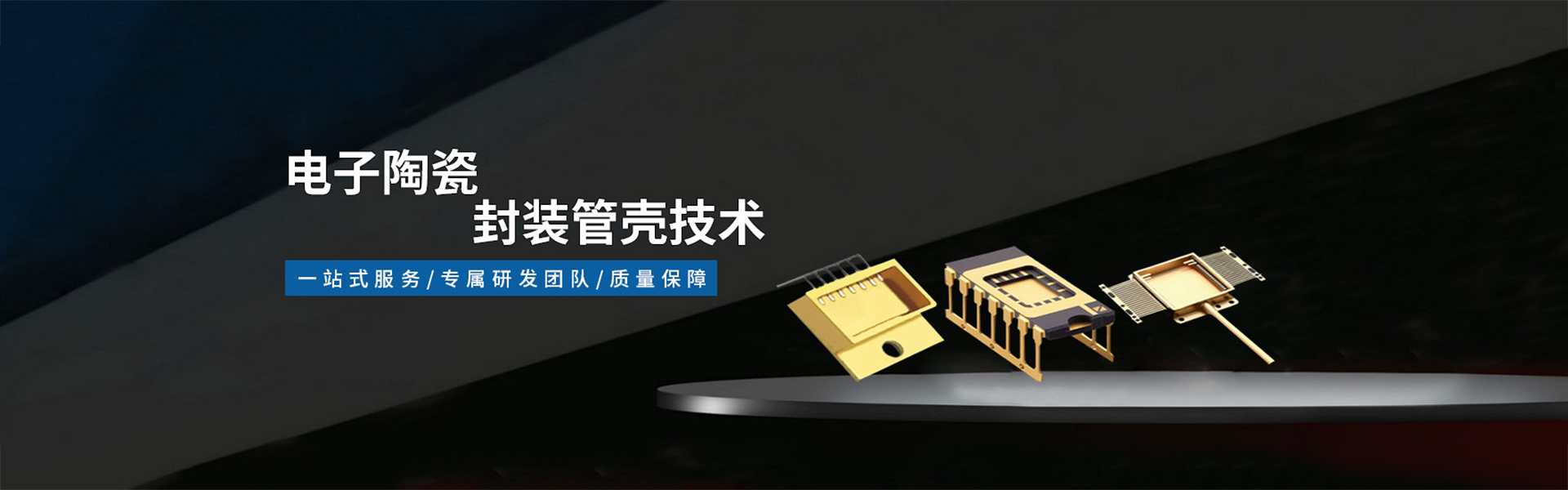

Silicon nitride and silicon carbide differ only by one character, and many people often confuse them. Let's take a simple look at the differences between the two.
Silicon nitride is a high melting point ceramic material with high hardness and chemical inertness. Particularly, sintered silicon nitride is one of the hardest substances in the world. Silicon nitride ceramics have low thermal expansion coefficients and high thermal conductivity, making them excellent in thermal shock resistance. Below moderate temperatures, silicon nitride exhibits high strength and impact resistance; however, above 1200°C, it may degrade in strength over time due to usage.
Silicon nitride is categorized into atmospheric pressure sintered silicon nitride and hot-pressed silicon nitride:
Pressure Sintered Silicon Nitride Ceramic is a popular method for producing high-strength and complex geometrical silicon nitride components. The pressure sintering process utilizes silicon nitride powder mixed with sintering aids to promote liquid-phase sintering (typically yttria, magnesium oxide, and/or aluminum oxide), as well as binders to enhance the mechanical strength of the green ceramic bodies. The powder is compacted into the desired shape and then processed. The compact is then placed in an oven with a pressurized nitrogen atmosphere to aid in densification and prevent the evaporation and decomposition of silicon, nitrogen, and additives.
Sinter-bonded silicon nitride ceramic is produced by pressing silicon nitride powder and sintering additives simultaneously and heating. This process requires specialized presses and molds. It yields silicon nitride with exceptional mechanical properties. However, this forming method is only suitable for simple shapes, such as plates or rods. Heat pressing silicon nitride allows for near-zero porosity in the products. This results in excellent mechanical properties and corrosion resistance, even in high-temperature applications.
The physical and chemical properties of silicon nitride ceramics reveal that their exceptional performance holds special value in working environments frequently encountered in modern technology, such as high temperatures, high speeds, and strong corrosive media. Its outstanding advantages include:
Features include:
High mechanical strength, hardness close to sapphire. The room temperature flexural strength of hot-pressed silicon nitride can reach up to 780-980 MPa, with some even higher, comparable to alloy steel, and its strength can remain constant up to 1200°C without decline.
(2) Mechanically self-lubricating with a low surface friction coefficient, high wear resistance, large elastic modulus, and high-temperature resistance.
(3) Low thermal expansion coefficient, high thermal conductivity, and excellent resistance to thermal shock.
Low density and small specific gravity.
(5) Corrosion and oxidation resistant.
(6) Excellent electrical insulation properties.
Silicon nitride ceramics have a wide range of applications:
We produce components for thermal equipment in the metallurgical industry, including crucibles, muffle furnace chambers, combustion nozzles, heating element fixtures, casting molds, aluminum industry conduits, thermocouple protective tubes, and aluminum electrolytic cell linings.
(2) Manufacturing high-speed cutting tools, bearings, supports for heat treatment of metal components, rotor engine scraper blades, guide vanes, and turbine blades for gas turbines.
(3) Used in the chemical industry as ball valves, pump bodies, sealing rings, filters, heat exchanger components, fixed catalyst carriers, combustion boats, and evaporating dishes.
(4) Used in the semiconductor, aviation, and atomic energy industries for manufacturing switch circuit substrates, thin-film capacitors, high-temperature or temperature-resistant electrical insulators, radar wire shielding, missile exhaust nozzles, support and isolation components in nuclear reactors, and carriers for nuclear fission materials.
Silicon carbide ceramics refer to mechanical components manufactured through a process of blending, shaping, sintering, and finishing with special ceramic materials. The mentioned special ceramic materials can include oxide ceramics, nitride ceramics, boride ceramics, and carbide ceramics. As an inorganic non-metallic material, special ceramic materials possess numerous properties not found in metals, such as high strength, high hardness, high elastic modulus, high-temperature resistance, wear resistance, corrosion resistance, oxidation resistance, and thermal shock resistance.
Silicon carbide ceramics boast excellent mechanical properties, superior oxidation resistance, high wear resistance, and low friction coefficients. The drawback of SiC ceramics is their low fracture toughness, indicating high brittleness. To address this, composite ceramics based on SiC, such as fiber (or whisker) reinforced, heterophase particle dispersion strengthened, and gradient functional materials, have emerged successively, enhancing the toughness and strength of the individual materials.
Silicon carbide ceramics are widely used, including the production of mechanical parts, seals, cutting tools, and other materials utilizing their high hardness and excellent wear resistance; the creation of durable, lightweight automotive components, heat-insulating parts, gas turbine blades, piston crowns, inserts, etc., with their high wear resistance, strength, and toughness; and the production of crucibles and heat exchangers for metal smelting, using ceramics with good corrosion resistance and chemical stability when in contact with biological enzymes.
