
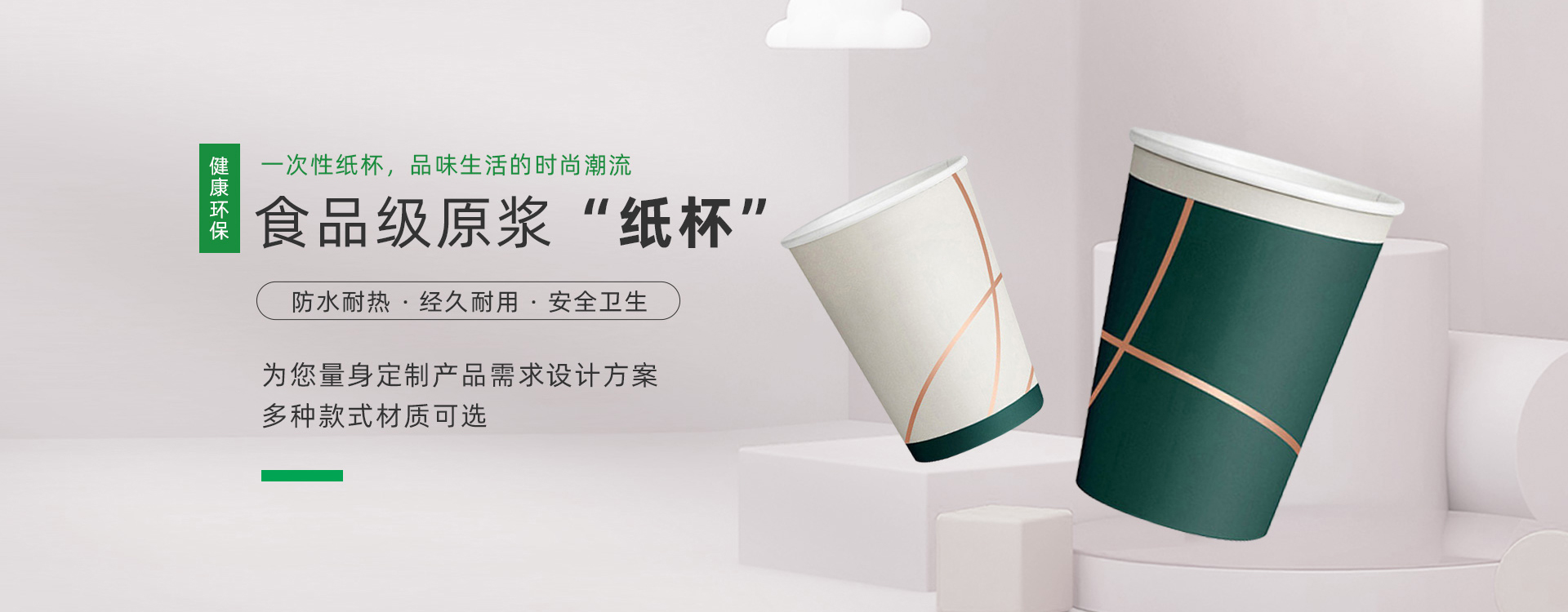
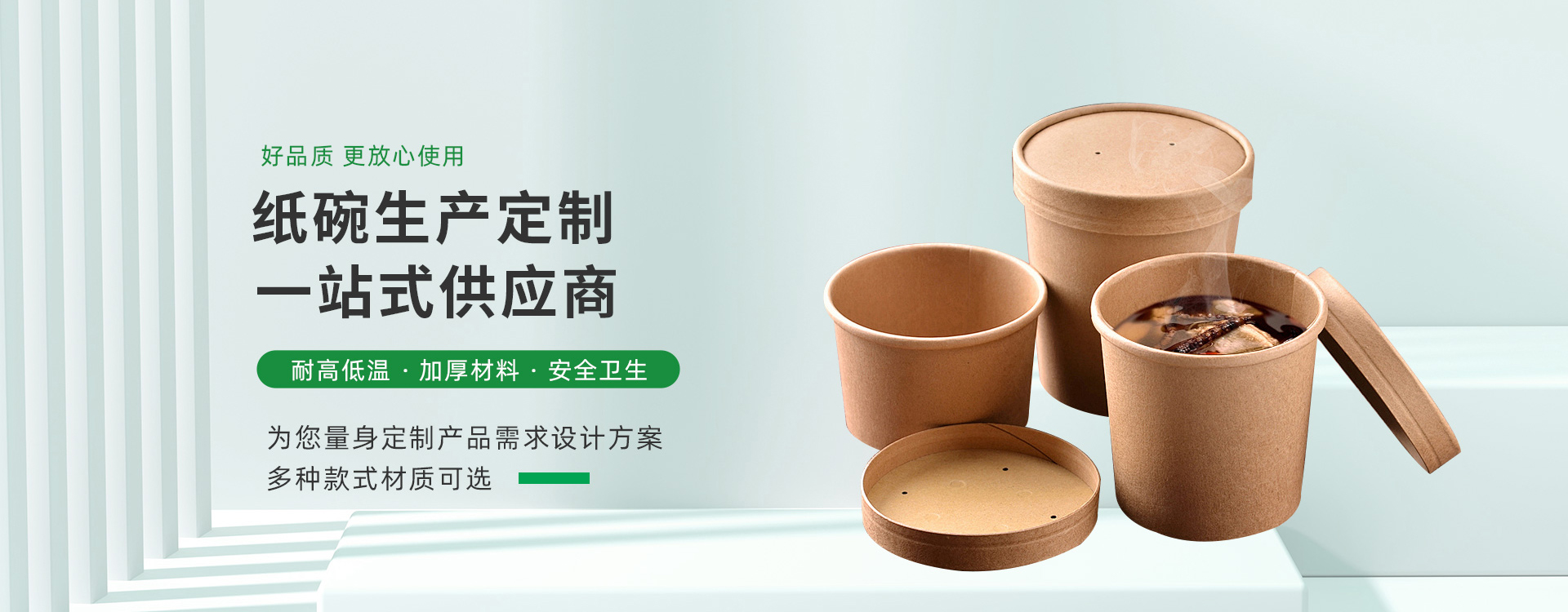


Paper cups and plastic cups differ significantly in various aspects, with these distinctions mainly体现在material, durability, environmental friendliness, cost, and usage scenarios.
Material and Durability
1. Paper Cups: Primarily made from pulp, potentially sourced from renewable resources like trees. Paper cups have relatively poor durability, prone to dampness, softening, and breaking, making them unsuitable for long-distance transportation or repeated use. Additionally, some paper cups are lined with a thin layer of polyethylene (PE) film to prevent leakage, which can pose a challenge during recycling.
2. Plastic Cups: Generally made from materials like PP and PS, plastic cups offer high durability and shock resistance, making them suitable for multiple uses and long-distance transportation. However, these materials are difficult to decompose in nature, and their long-term presence can cause environmental pollution.
Environmental Sustainability
Cupcakes: Paper cups are highly biodegradable and can be recycled or composted after disposal, thus achieving a circular use of resources. With the increasing awareness of environmental protection, more and more paper cup manufacturers are beginning to use recycled paper or biodegradable materials to produce cups, in order to reduce consumption of natural resources and environmental pollution.
2. Plastic Cups: The recycling rate of plastic cups is relatively low, and some discarded plastic cups may end up in the ocean, becoming part of marine debris and posing a threat to marine life. Although some progress has been made in the development of biodegradable plastics in recent years, they are expensive and have strict degradation conditions, thus not widely adopted yet.
III. Costs
Cups: The production cost of paper cups is relatively low, and their prices are relatively stable due to the wide availability of pulp sources. For occasions requiring large quantities of disposable cups, such as fast-food restaurants and cafes, the economic benefits of paper cups are more pronounced. However, considering the environmental costs and potential recycling and disposal fees, the overall cost of paper cups may not be low in the long run.
2. Plastic Cups: The initial investment for plastic cups may be higher due to the relatively high cost of the plastic material. However, given their durability and reusability, plastic cups could offer a better cost-effectiveness over time compared to paper cups. It is also important to note that the recycling and disposal costs of plastic cups may also impact the overall cost.
Use Cases
1. Paper cups are ideal for single-use, short-term occasions such as family gatherings and offices. They have good heat insulation properties and are not easily burned, but their sealing capability is average, making them unsuitable for containing liquids that tend to spill.
Plastic Cups: Ideal for repeated use and long-distance transportation, such as outdoor activities and conference rooms. They offer good sealing properties, making them suitable for containing various liquids. However, it's important to note that under high-temperature conditions, some plastics may soften and release harmful substances, so they are not recommended for storing hot liquids.
