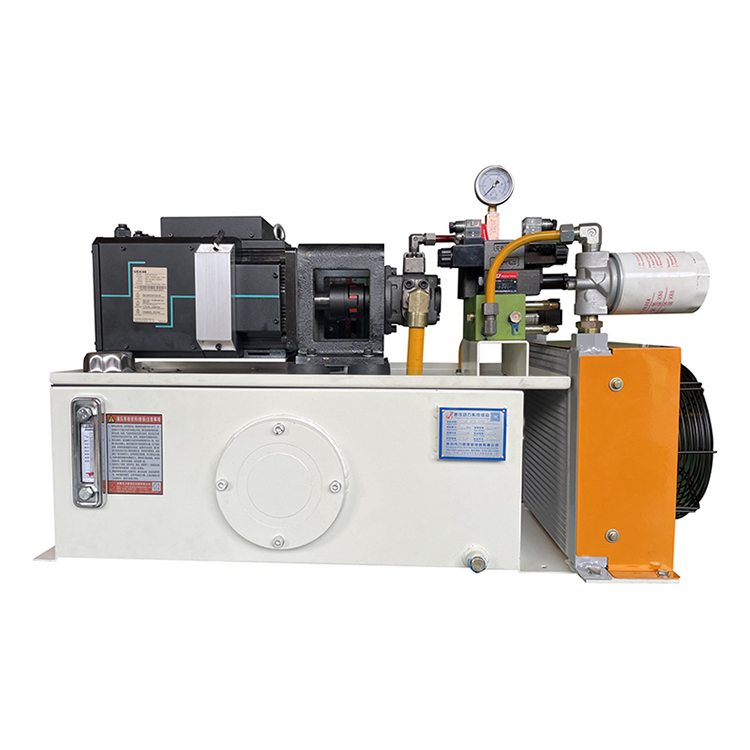


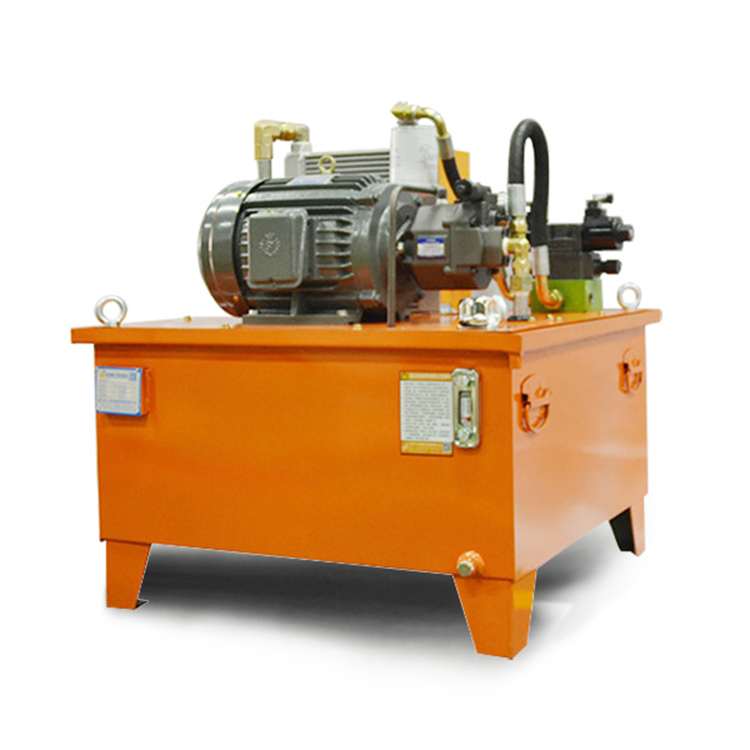
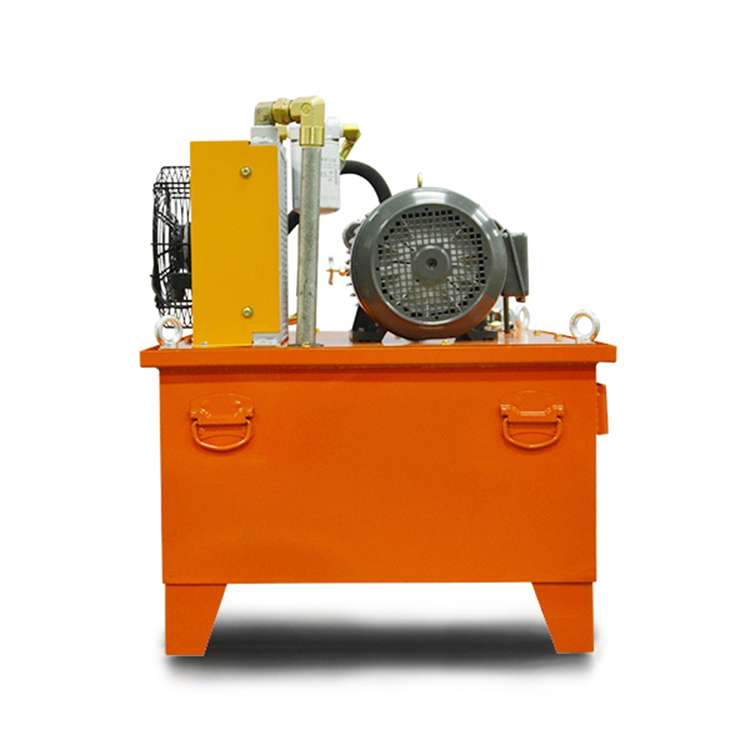
The function of the hydraulic system is to increase the applied force by altering pressure. A complete hydraulic system consists of five components: power elements, actuating elements, control elements, auxiliary elements (accessories), and hydraulic oil. Hydraulic systems can be categorized into two types: hydraulic transmission systems and hydraulic control systems. Hydraulic transmission systems primarily function to transmit power and motion. Hydraulic control systems are designed to ensure that the output of the hydraulic system meets specific performance requirements (especially dynamic performance). The term "hydraulic system" is commonly used to refer to hydraulic transmission systems.
Maintenance:
The quality of a hydraulic system depends not only on the rationality of its design and the performance of its components, but also on the system's protection against and treatment of contamination. System contamination directly affects the reliability of the hydraulic system's operation and the lifespan of its components. Statistics indicate that about 70% of hydraulic system failures globally are caused by contamination.
Fault Diagnosis:
Hydraulic drive systems, due to their unique advantages such as wide process adaptability, excellent control performance, and low cost, are gaining increasingly widespread application in various fields. However, due to the unstable quality of components and accessories objectively, as well as subjective misuse and improper maintenance, and since the components and working fluids in the system operate within a closed oil circuit, unlike mechanical equipment which is more直观 or electrical equipment which can be conveniently measured with various detection instruments, hydraulic equipment relies solely on a limited number of pressure gauges, flowmeters, etc., to indicate the working parameters of certain parts of the system. Other parameters are difficult to measure, and the root causes of general malfunctions can have many possibilities, which presents certain difficulties in diagnosing hydraulic system failures.
On the production site, due to constraints from production schedules and technical conditions, it is required that fault diagnosis personnel accurately and simply identify hydraulic equipment malfunctions; that maintenance staff utilize available information and on-site technical conditions to minimize disassembly work, save on maintenance time and costs; to employ straightforward technical methods, accurately locate and rectify the fault within the shortest possible time; restore the system to normal operation, and strive to prevent recurrence of similar faults in the future.
System Maintenance:
A system typically undergoes flushing before being officially put into use. The purpose of flushing is to remove pollutants, metal shavings, fiber compounds, iron cores, and other debris from within the system. During the initial two hours of operation, even without completely damaging the system, it can cause a series of malfunctions. Therefore, the following steps should be followed to clean the system's oil circuit:
1) Clean the oil tank with a quick-drying solvent, then remove any residue with filtered air.
2) Clean all piping in the system; in some cases, it may be necessary to soak the piping and joints.
3) Install oil filters in the pipeline to protect the valve's fuel and pressure lines.
4) Install a flush plate on the manifold instead of a precision valve, such as an electro-hydraulic servo valve.
5) Verify all pipeline sizes are appropriate and connections are correct.
If an electro-hydraulic servo valve is used in the system, let me elaborate a bit more. The flush plate of the servo valve must allow oil to flow from the supply line to the collector and directly back into the oil tank. This ensures the oil circulates repeatedly to flush the system and allow the oil filter to remove solid particles. During the flush, check the oil filter every 1 to 2 hours to prevent it from being blocked by contaminants. Do not open the bypass; if the filter starts to block, change it immediately.
The flushing cycle is determined by the system's design and the degree of system contamination. If the sample of the filter medium has little to no external contaminants, install a new oil filter, remove the flushing plate, and install the valve to operate!
Scheduled Maintenance: Establish a regular maintenance system for the hydraulic system