
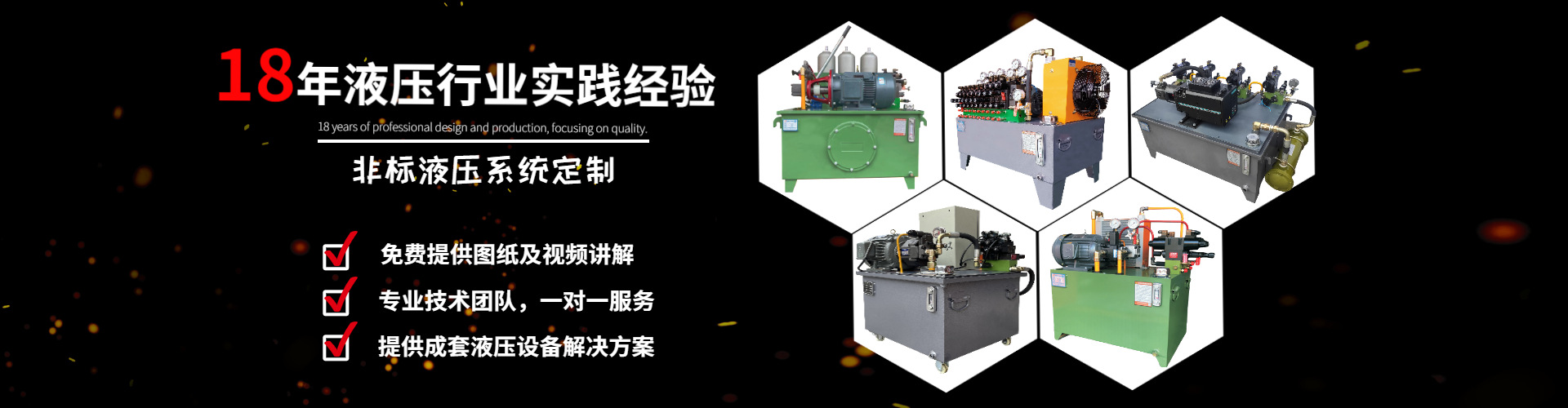
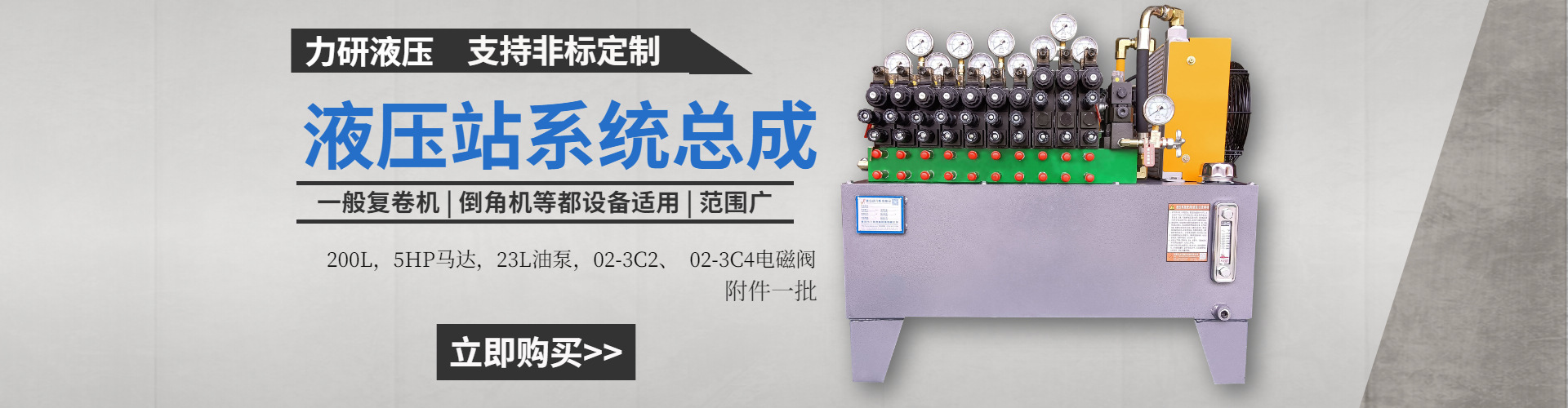


The function of a hydraulic system is to increase the force by altering pressure. A hydraulic system consists of five components: power elements, control elements, actuating elements, auxiliary elements, and hydraulic oil. Hydraulic systems can be divided into two categories: hydraulic transmission systems and hydraulic control systems. The primary function of a hydraulic transmission system is to transmit power and motion. In contrast, a hydraulic control system ensures that the output of the hydraulic system meets specific performance requirements.
Hydraulic systems experience pressure loss due to the viscosity of the fluid, which inevitably results in friction as it flows through pipelines. Consequently, the fluid dissipates a portion of its energy during the flow process, primarily manifested as pressure loss.
Pressure drop occurs in two types: along-the-path loss and local loss. Along-the-path loss is the pressure drop caused by friction as a fluid flows over a distance in a straight pipe with a constant diameter. Local loss is due to pressure drops resulting from sudden changes in the pipe cross-sectional shape, alterations in the fluid flow direction, or other forms of fluid flow resistance. The total pressure loss in the hydraulic system is the sum of along-the-path and local losses. Due to the inevitability of pressure loss, the pump's rated pressure should be slightly higher than the working pressure required for system operation. Generally, one can estimate the working pressure required for system operation by multiplying it by a coefficient of 1.3 to 1.5.
