

- AllProduct Category
-
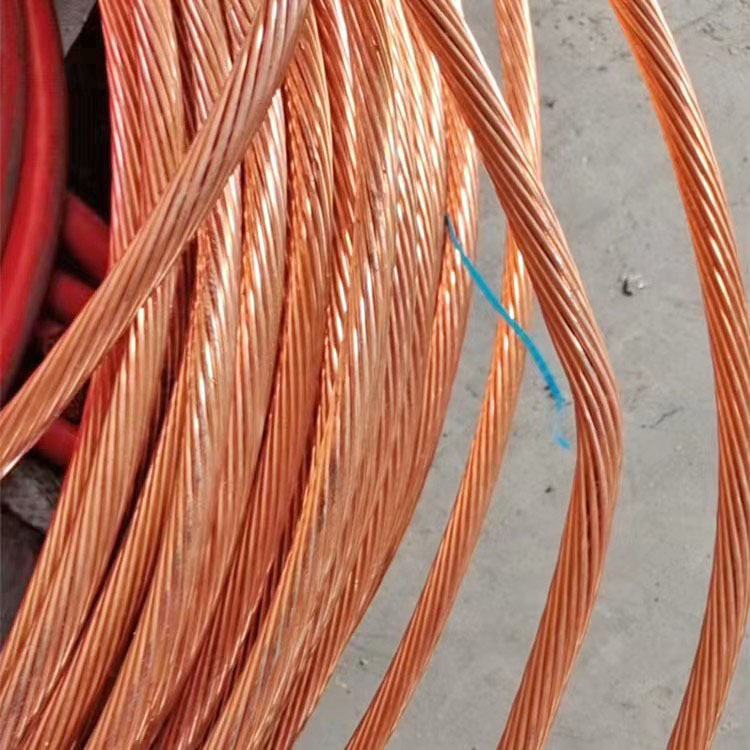
Static Grounding Materials & Accessories Series
Lab Grounding & Renovation Cases
Chemical & Oil Storage Case Studies
Interior Wiring Installation Diagram
Anti-static Grounding Construction Drawing


详情描述
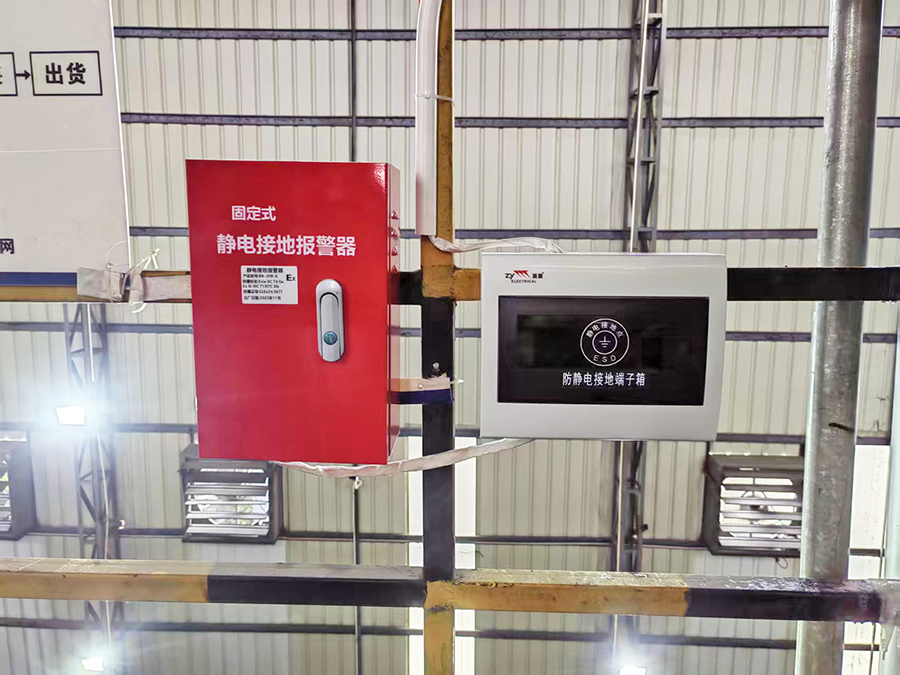
Employees (operators) wearing synthetic clothing and moving around can easily generate static discharge. Additionally, the friction, mixing, and movement of packaging products or equipment, as well as the air in high-temperature rooms, can also produce static electricity. The static electricity can easily cause electronic components to break down and burn, affect the accuracy of detection equipment, and cause computer systems to malfunction. The sparks from static electricity are also sufficient to ignite and explode flammable and explosive gases like natural gas, oil, and alcohol. Therefore, equipment, containers, and pipes prone to static electricity should be properly grounded, as should production processes that are prone to static. Grounding refers to the electrical connection between a specific point in a system, device, or equipment and the local ground (earth). Thus, the smaller the resistance, the faster the current flows, and the higher the level (or safer) of protection for the equipment (or grade). Moreover, good grounding can effectively reduce static noise in computer systems caused by potential fluctuations.
Types of grounding: including working grounding, protective grounding, static dissipative grounding, lightning protection grounding, multiple grounding, equipotential grounding, shielding grounding, signal grounding for electronic equipment, power grounding for electronic equipment, etc.
In compliance with both international and domestic standards, the static grounding resistance (earth resistance) values are categorized into three grades:
①.≤1Ω; ②.≤4Ω; ③.≤10Ω;
General Requirements:
Communication Working Place: ≤4Ω
Safety protection resistance: ≤4Ω
Anti-static grounding: ≤4Ω
Lightning Protection and Grounding: ≤10Ω
Factories or laboratories can choose the appropriate grounding resistance value based on their own environmental requirements.
Recommendation: The ground resistance value for general factories can be required to be ≤10Ω (but if all equipment needs to be connected, the ground resistance value should be ≤4Ω). For example, in chemical factories (factories producing hazardous chemicals) and factories that produce and process flammable and explosive gases, the ground resistance value should be required to be ≤4Ω or higher. For electronic factories, semiconductor factories, inspection laboratories, and computer systems (cleanrooms with 100 or higher cleanliness levels, electronic components with withstand voltage not exceeding 100V), the ground resistance value should be required to be ≤4Ω or higher.
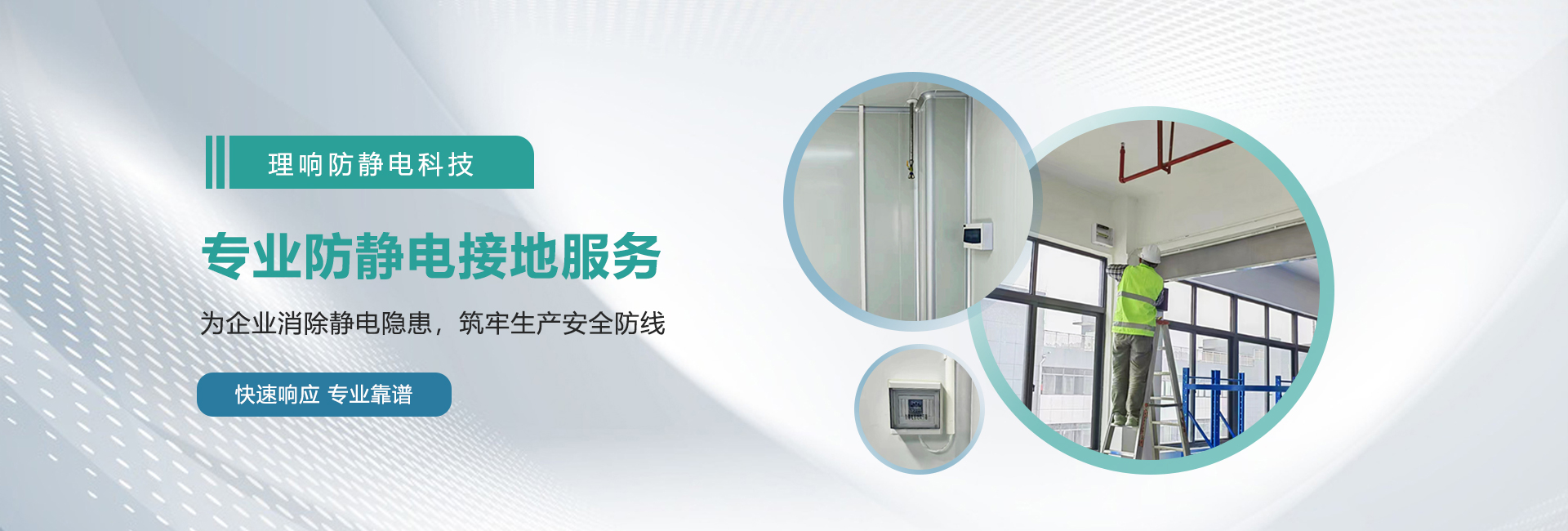
Guangzhou Lihuang Antistatic Technology Co., Ltd. has years of experience in the construction and renovation of static grounding and indoor wiring systems. We have professional technical staff and construction teams that can provide technical references based on your production or safety environment, and suggest the appropriate resistance value for the standard level. Welcome manufacturers and companies to consult and place orders. Thank you!