

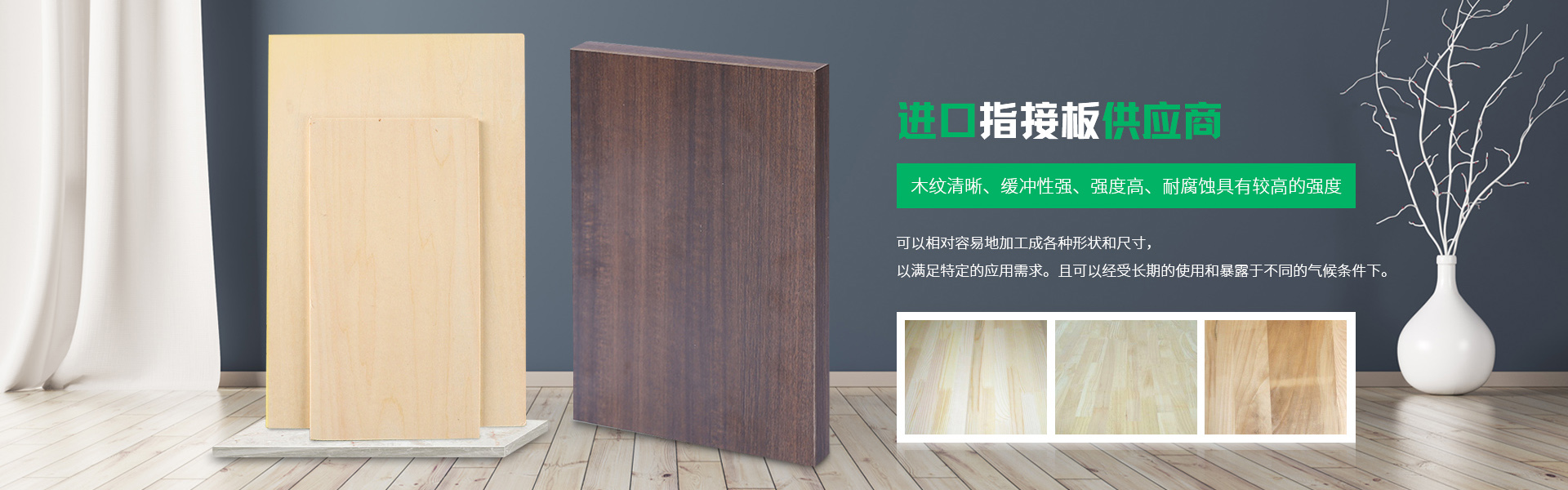

Rubberwood, a plant used for producing rubber latex, is also suitable for furniture making. It boasts a subtle color and attractive grain, with a drying shrinkage and a lightweight to medium density. Its machining and finishing properties are excellent. However, due to its approximately 8% free sugar and starch content, rubberwood is prone to mold, termite infestation, and decay.
Rubberwood furniture advantages:
Rubberwood furniture is resistant to cracking due to its high density and strength, which allows it to bear substantial weight and pressure.
Furthermore, rubberwood furniture boasts excellent malleability, allowing it to be shaped into various forms and designs to cater to diverse needs and styles.
Moreover, rubberwood furniture boasts excellent texture, with its natural grain and color offering a comfortable and cozy feel. Additionally, it is easy to dye, allowing for personalized customization according to individual preferences.
Then, rubberwood furniture boasts excellent wear resistance, capable of withstanding prolonged use and friction.
Rubberwood Furniture Drawbacks:
Firstly, rubberwood furniture may produce an odor.
Next, rubberwood furniture is prone to discoloration due to its sensitivity to light and humidity, so it's important to avoid direct sunlight and damp conditions.
Additionally, rubberwood furniture is prone to rotting and requires regular maintenance and moisture protection.
Then, rubberwood furniture is prone to bending and warping, so it requires avoiding prolonged heavy pressure and compression.
In summary, rubberwood furniture boasts numerous advantages, but it's also important to be aware of its drawbacks. Only with proper use and maintenance can rubberwood furniture become more durable and aesthetically pleasing.
