

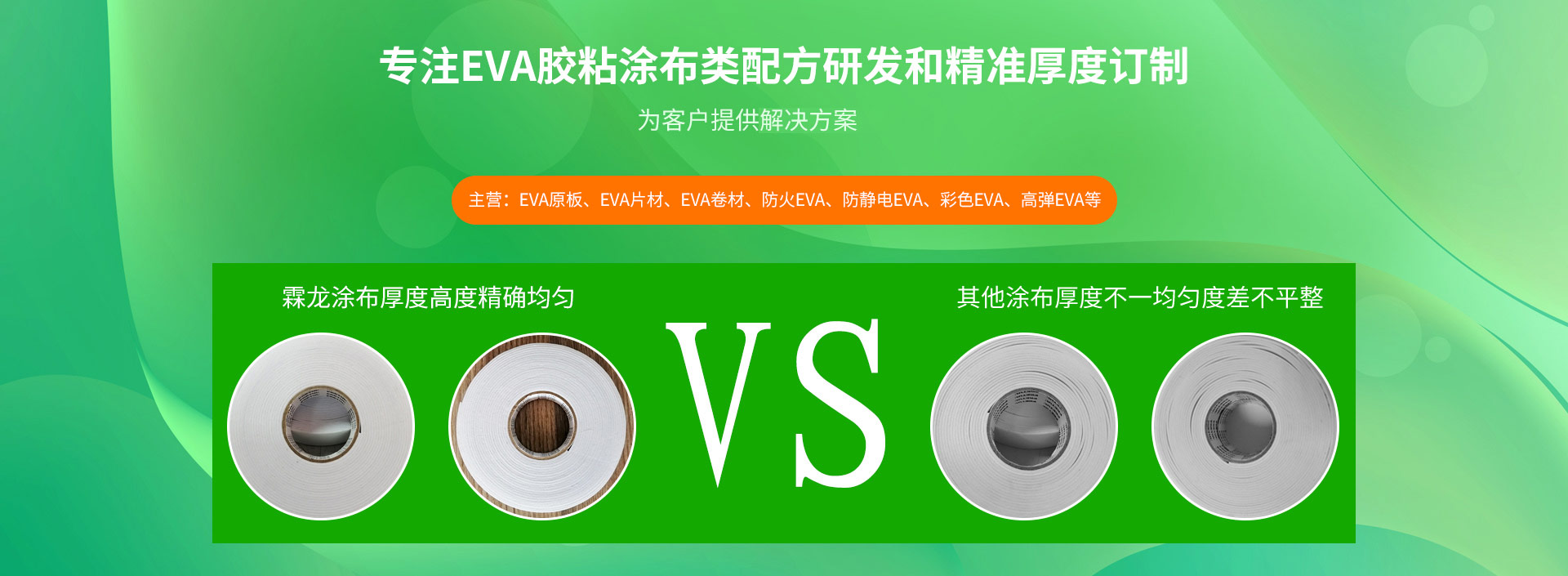

EVA foam is a new type of environmentally friendly material, a product of the foam cotton category, featuring excellent shock absorption, vibration resistance, heat insulation, moisture resistance, and chemical corrosion resistance. It is odorless and does not absorb water.
EVA rubber products are designed for molding and processing, offering superior shock-absorbing properties compared to traditional packaging materials like foam. They meet environmental protection standards and are commonly found in various packaging linings in everyday life. Many people are likely unaware that the use of EVA materials has already become integrated into various aspects of our daily lives, though EVA itself may not be fully aware of this.
EVA-made products are ubiquitous in everyday life, yet it's still challenging to summarize the applications of EVA material across various fields. EVA materials fall into two categories:
Antistatic Agent Ingredients
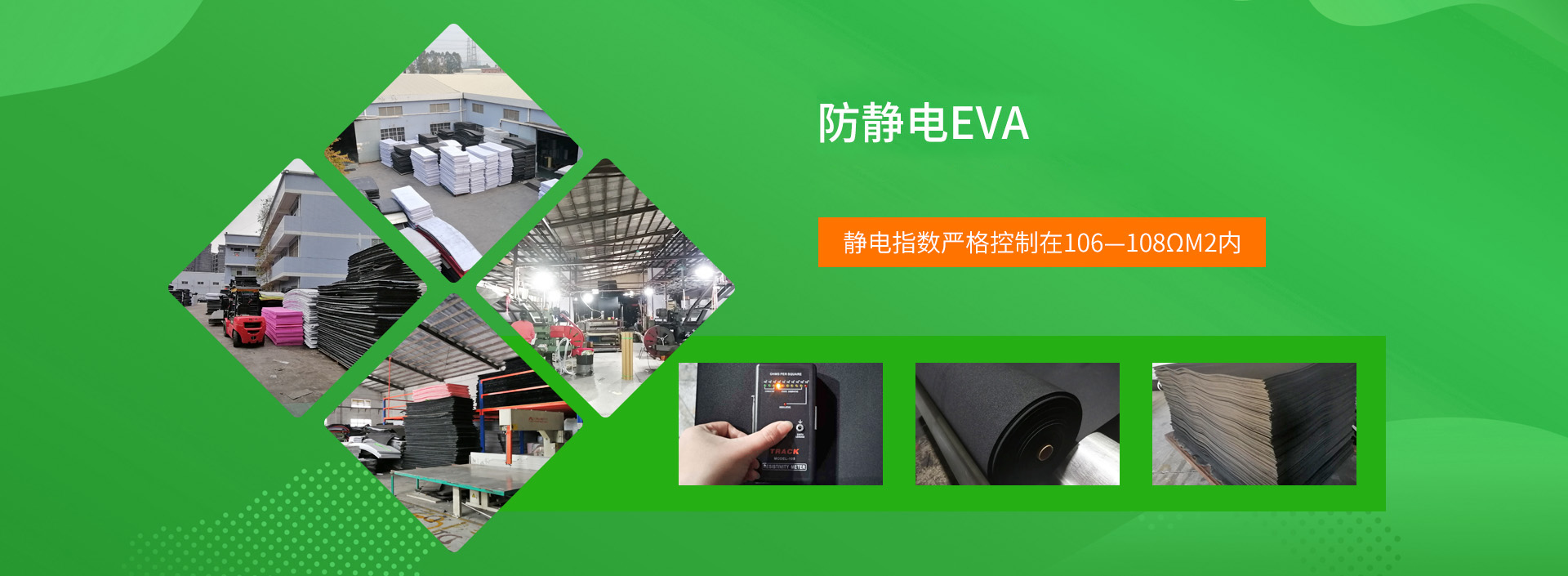
Some EVA products require anti-static properties. However, EVA cotton is itself a strong product that carries static electricity, and a formula needs to be added with an anti-static agent. EVA and anti-static agents are usually mixtures, therefore, they can be referred to as anti-static EVA.
2. Flame Retardant Chemicals Component
Products made from EVA foam for certain packaging materials may require flame retardants. The formula can be appropriately adjusted to achieve flame retardant properties. This type of EVA foam material, with flame retardant characteristics, is known as flame-retardant EVA.
