
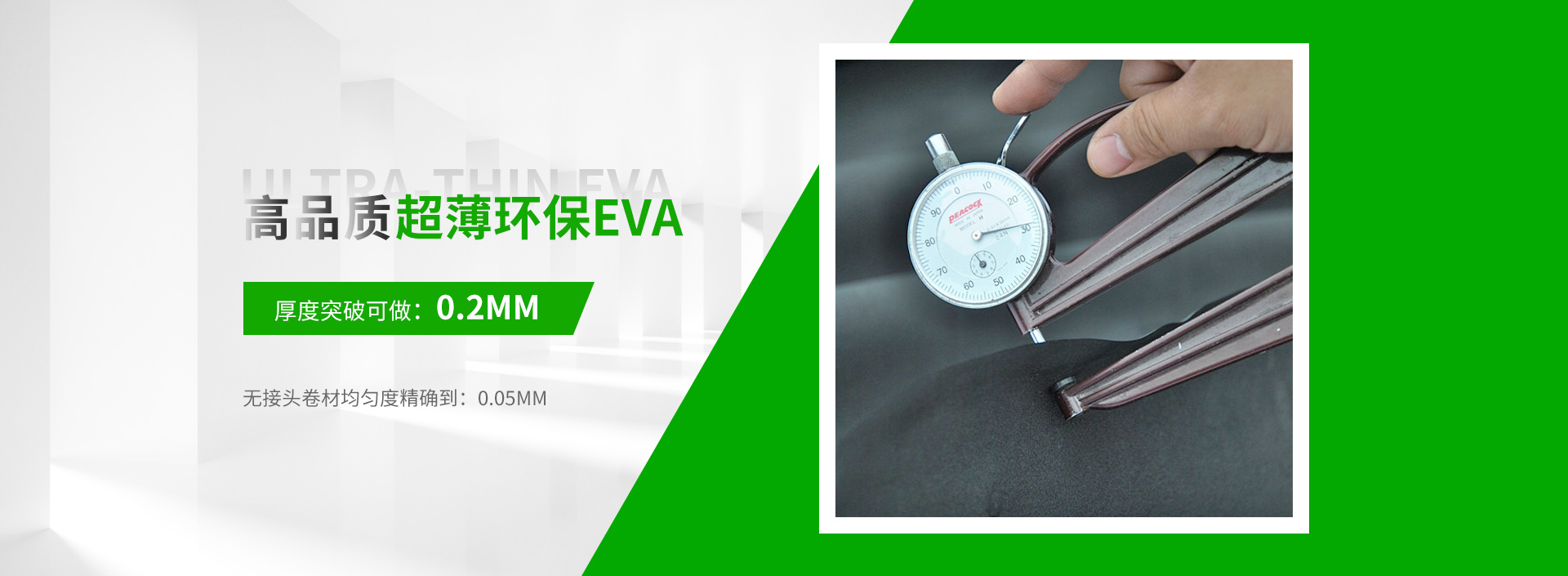
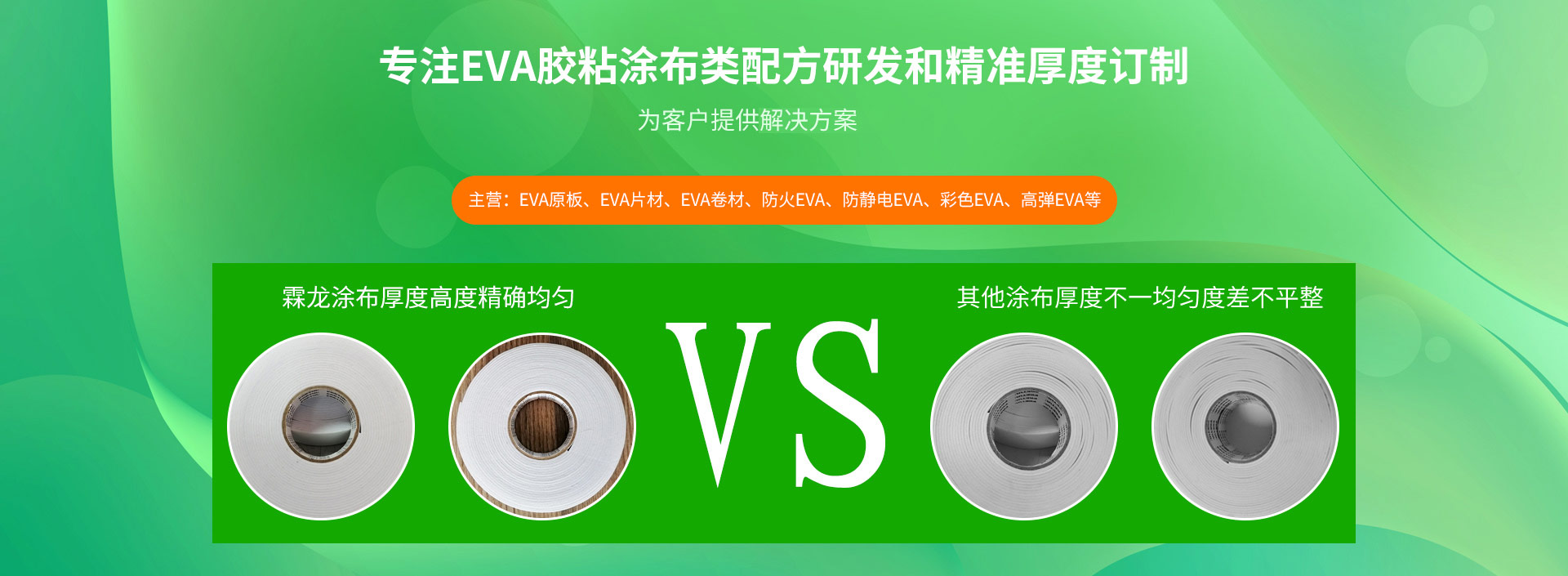
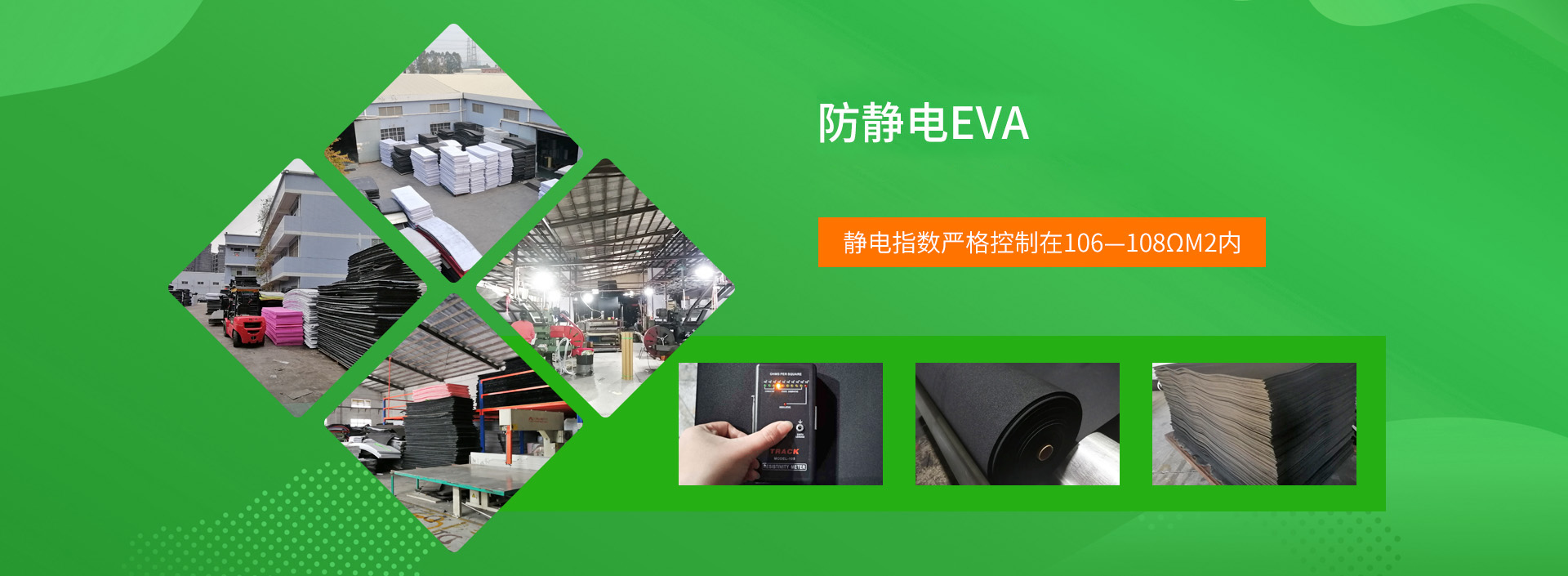

EVA foam is a new type of environmentally friendly plastic packaging material that many people may not be very familiar with. Next, we will introduce what EVA foam is made of and its advantages.
What is EVA foam material?
EVA materials is a common nickname we use, with the full English name of ethylene-vinyl acetate copolymer. Its chemical name is ethylene-vinyl acetate copolymer. It is a type of general material commonly found in daily life as a medium-bottom material. Products made from it feature good softness, shock resistance, slip resistance, and high pressure resistance, such as the EVA slippers, cotton shoes, EVA phone cases, and EVA iPad cases we commonly see.
What are the advantages of EVA foam?
Waterproof: Sealed cell structure, non-absorbent, moisture-proof, with excellent waterproof performance.
2. Corrosion Resistance: Resistant to corrosion from chemicals such as seawater, oil, acids, alkalis, etc., with antibacterial, non-toxic, odorless, and pollution-free properties.
3. Processability: Also, it is easy to be processed through heat pressing, cutting, gluing, and bonding, etc.
4. Vibration Resistance: High resilience and tensile strength, excellent flexibility, and superior shock absorption/buffering properties.
5. Insulation Performance: Excellent heat insulation, temperature retention, and cold resistance, capable of withstanding extreme cold and exposure to the sun.
6. Soundproofing: Sealed foam cells provide excellent soundproofing effects.
What are the different grades of EVA foam?
EVA foam is categorized into six grades: C, B, A, A+, 3A, and HR. The hardness of standard EVA ranges from 40 to 45 degrees, with options to customize to around 70 degrees. The materials at the BC levels are primarily used for linings, such as in various tool boxes and shock-absorbing packaging materials. Materials above grade A are high-resilience foams, mainly used for finished or export products, featuring fewer pores, even thickness, environmental friendliness, and odorless properties.
What are the uses of EVA foam?
EVA materials can be used to produce household items such as refrigerator conduits, gas pipes, construction boards, containers, and other everyday products.
2. EVA materials can be used to produce packaging films, spacers, and are also suitable for hot melt adhesives, cable insulation, and more.
EVA materials are widely used in book wireless binding, digital product shell components, furniture edging, automotive and household appliance assembly, shoe manufacturing, carpet coating, and corrosion-resistant coatings for metal.
