
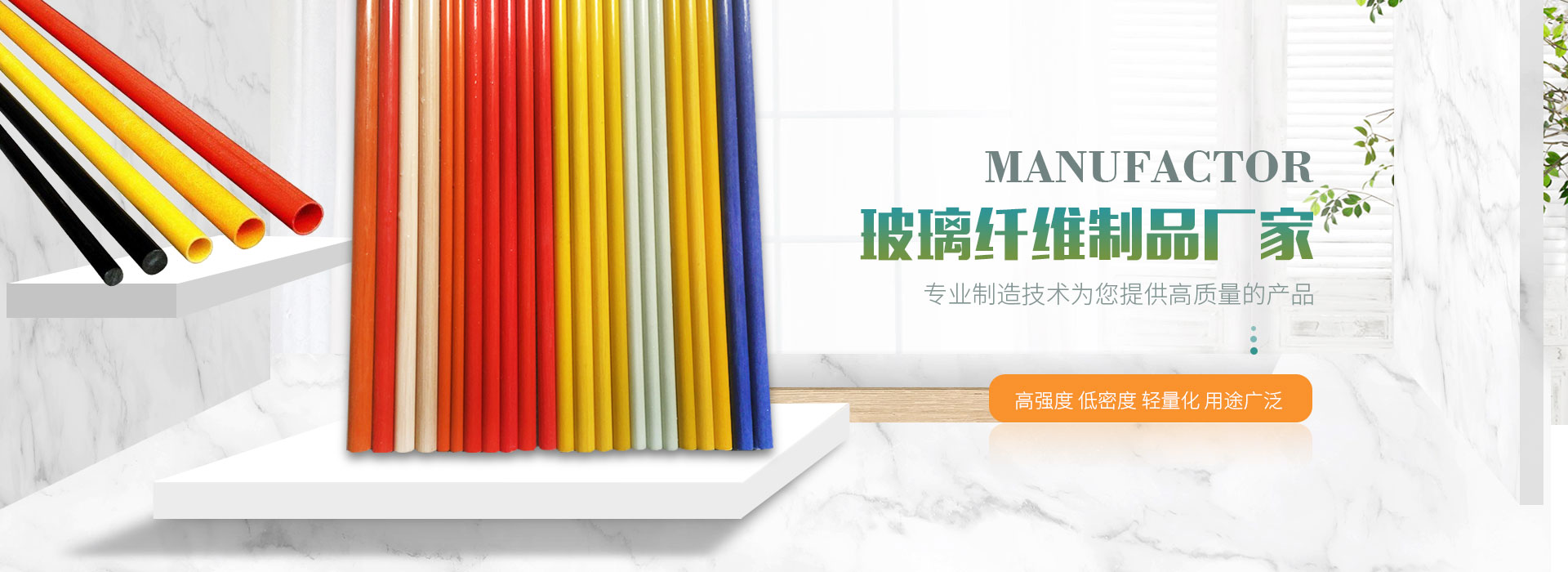
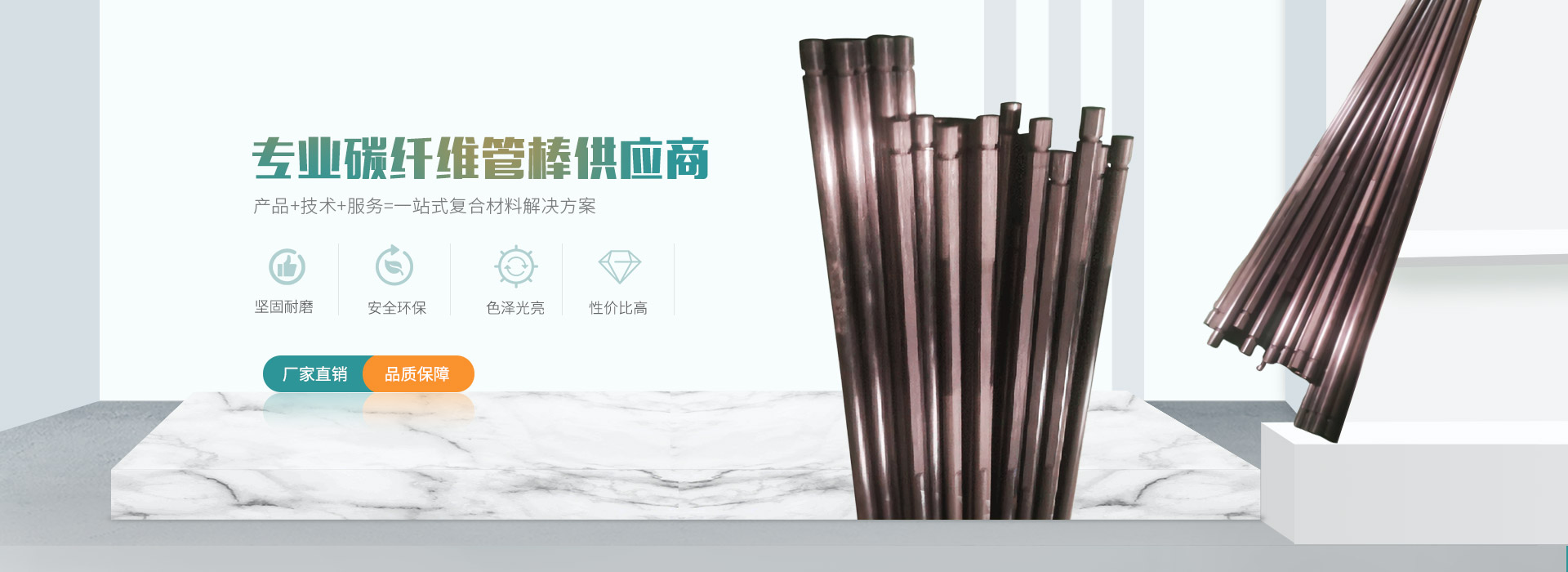

Carbon fiber tubes, also known as carbon fiber pipes or simply carbon tubes, are made by pre-soaking carbon fiber cloth in medium-temperature epoxy resin and then winding and curing it. During the manufacturing process, various profiles can be produced using different molds, such as carbon fiber round tubes of various sizes, square tubes of various sizes, sheet materials of various sizes, and other profiles. In the later production stage, the formed carbon fiber tubes can be coated with various colors and patterns.
The carbon fiber content and modulus of carbon fiber directly affect the physical properties and strength performance of carbon fiber tubes. Generally, the tensile strength of carbon fiber tubes can reach over 3000 MPa, which is more than 10 times that of steel. However, compared to steel of the same volume, their weight is less than a quarter. Therefore, the significant feature of carbon fiber tubes is their light weight and high strength, earning them the title of "King of Materials" since their inception.
Certainly, carbon fiber tube designs for various applications and environments have different requirements. With a wide range of available carbon fiber prepreg specifications, designers can flexibly apply their skills to the specific strength requirements of carbon fiber tubes, reinforcing them at local stress points as needed. For instance, carbon fiber components used in bicycles, model aircraft, oar shafts, sailing masts, and golf clubs all have unique stress characteristics. This calls for experienced designers to create tailored product structures and operation manuals based on actual needs.
