
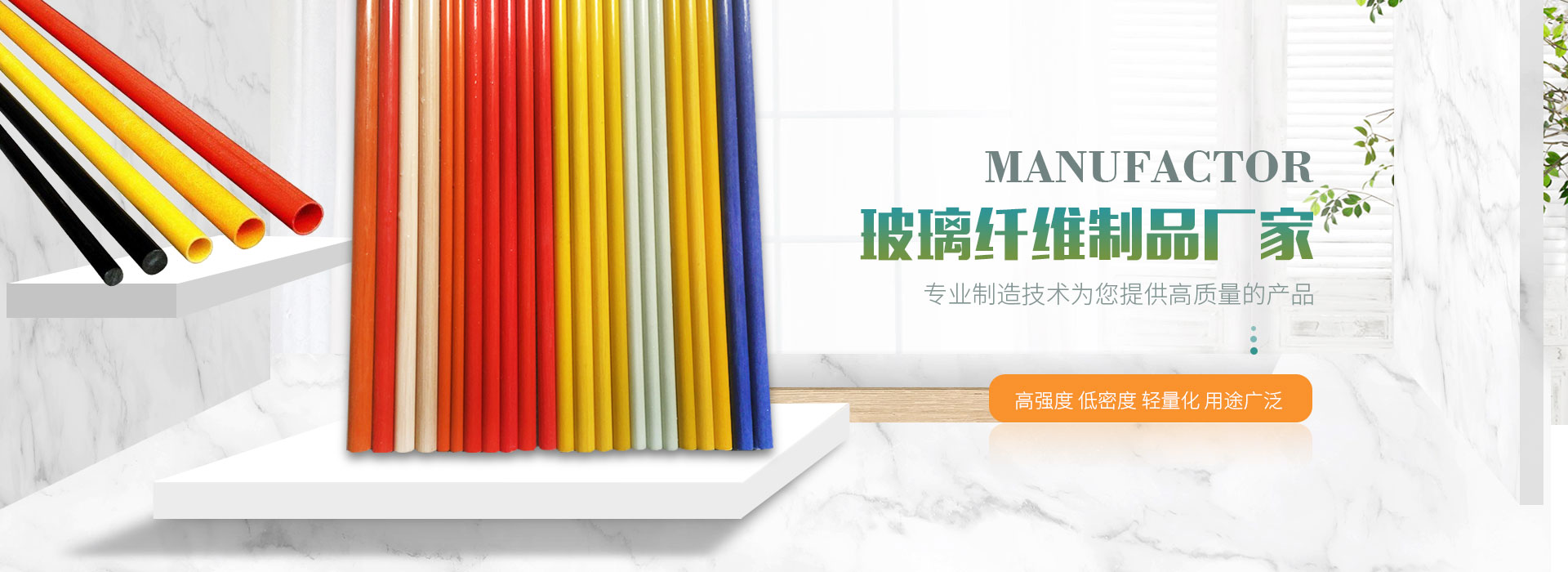

What are the main components of glass fiber rods? Let's give you a brief introduction next.
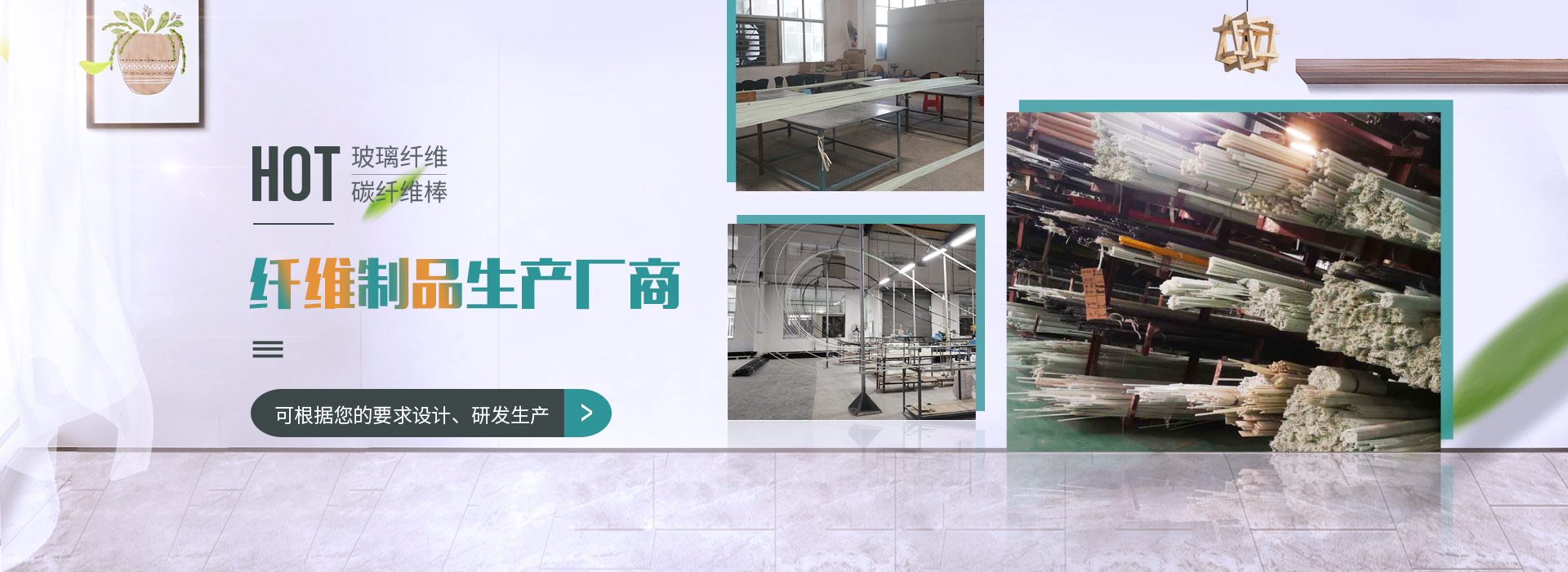
Glass fiber rods, previously known as glass fibers, are a high-performance inorganic non-metallic material. There are many types of them. They boast excellent insulation properties, heat and corrosion resistance, and high mechanical strength. However, they have the drawback of being brittle and poor in wear resistance. Made from materials like serpentine, quartz sand, limestone, dolomite, borate calcite, and magnesite, they are formed through a process of high-temperature melting, drawing, winding, and weaving. The diameter of each single fiber ranges from a few micrometers to twenty micrometers, equivalent to 1/20 to 1/5 of a hair's thickness. Each fiber bundle consists of hundreds, even thousands, of these single fibers. Glass fiber rods are commonly used as reinforcing materials in economic fields such as composite materials, electrical insulation materials, circuit boards, and more.
The main components of glass fiber rods are silicon dioxide, aluminum oxide, calcium oxide, boron oxide, magnesium oxide, and sodium oxide. Glass fibers are categorized by the alkali content in the glass, which includes: alkali-free glass fibers (0%-2% sodium oxide, belonging to aluminoborosilicate glass), medium alkali glass fibers (8%-12% sodium oxide, belonging to boric or non-boric sodium silicate glass), and high alkali glass fibers (sodium oxide, over 13%, sodium silicate glass).
