
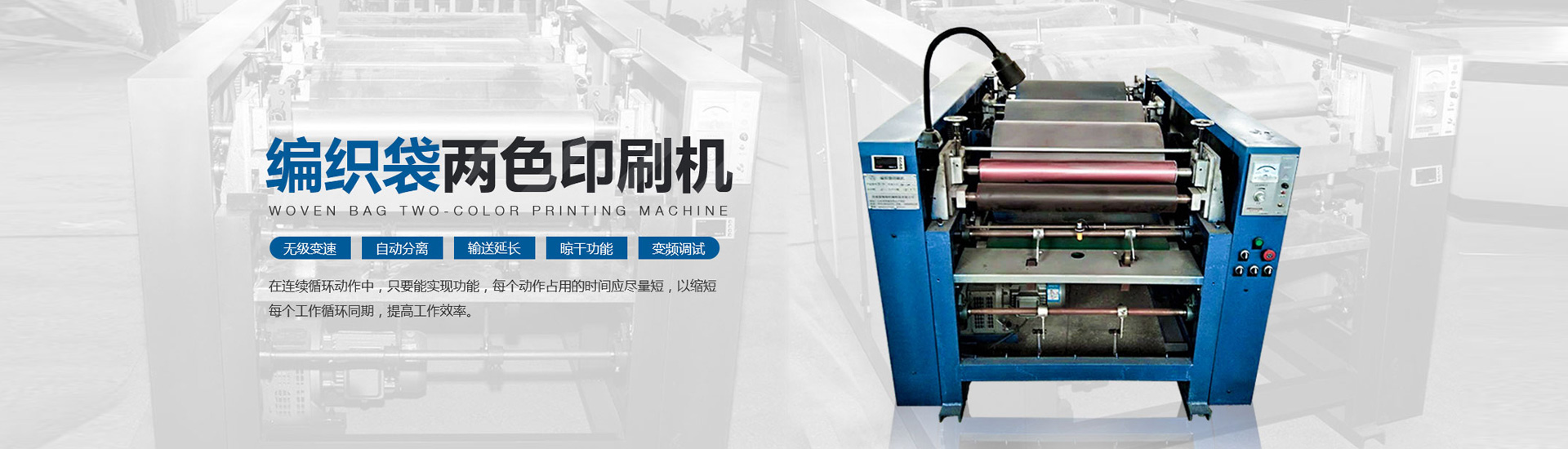

Manufacturers of woven bag printing machines inform you: In the tourism industry, temporary tents, sunshades, various travel bags, and travel backpacks all utilize plastic woven materials. Various tarpaulins are widely used as covering materials for transportation and storage, replacing the easily moldy and cumbersome cotton woven tarps. Construction fences and netting are also extensively applied with plastic woven materials. Common products include logistics bags, logistics packaging bags, cargo bags, and cargo packaging bags.
Currently, due to product resources and pricing issues, China uses 6 billion woven bags annually for cement packaging, accounting for over 85% of bulk cement packaging. With the development and application of flexible jute bags, plastic woven containers are widely used for sea transportation and packaging of agricultural and industrial products. In agricultural product packaging, plastic woven bags are now extensively used for seafood packaging, poultry feed packaging, covering materials for farms, and shade, windbreak, and hail protection structures for crop planting. Common products include feed woven bags, chemical woven bags, putty powder woven bags, urea woven bags, vegetable mesh bags, and fruit mesh bags, among others.
Certain industries require specialized woven bags, such as carbon black bags, due to specific factors. The characteristics of carbon black bags include sun protection—they offer superior sun-blocking capabilities compared to regular woven bags, which can't withstand prolonged exposure to the sun. Additionally, UV-resistant woven bags feature UV-blocking properties and anti-aging functions.
China's Export of Woven Bags Continues to Rise, Reinforcing Its Status as a Plastic Woven Giant; Increasing Social Demand Spawns More Plastic Woven Bag Factories, and the Use of Woven Bags Gains Popularity
