

1) Thread profile optimization
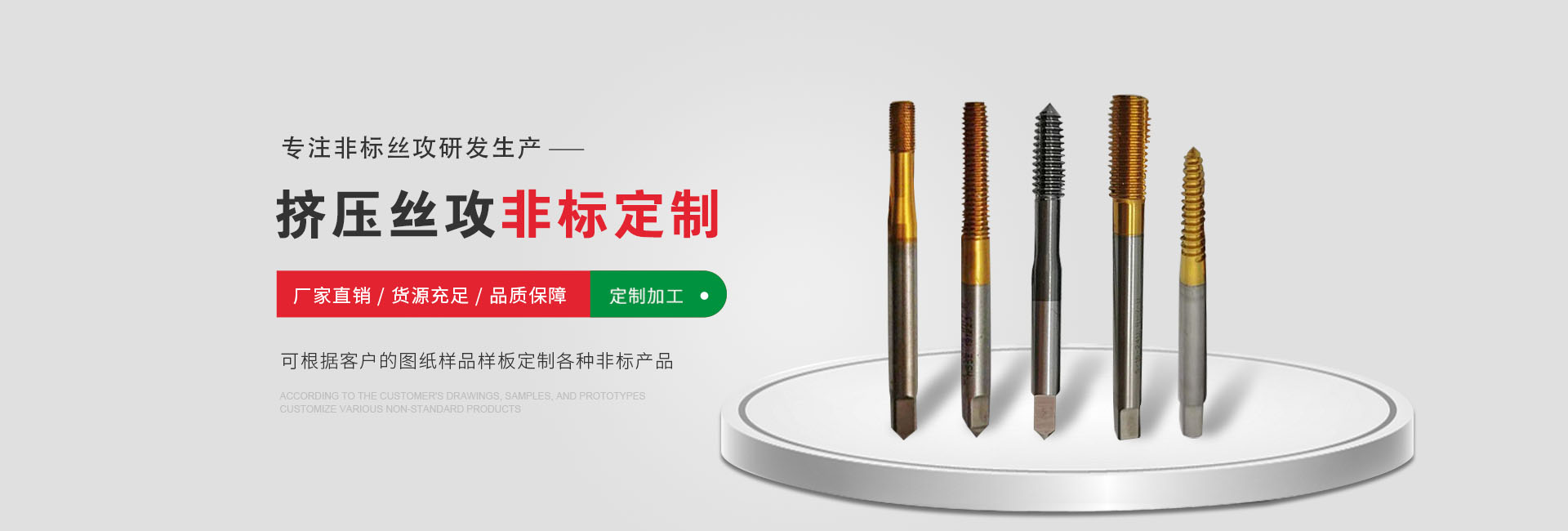
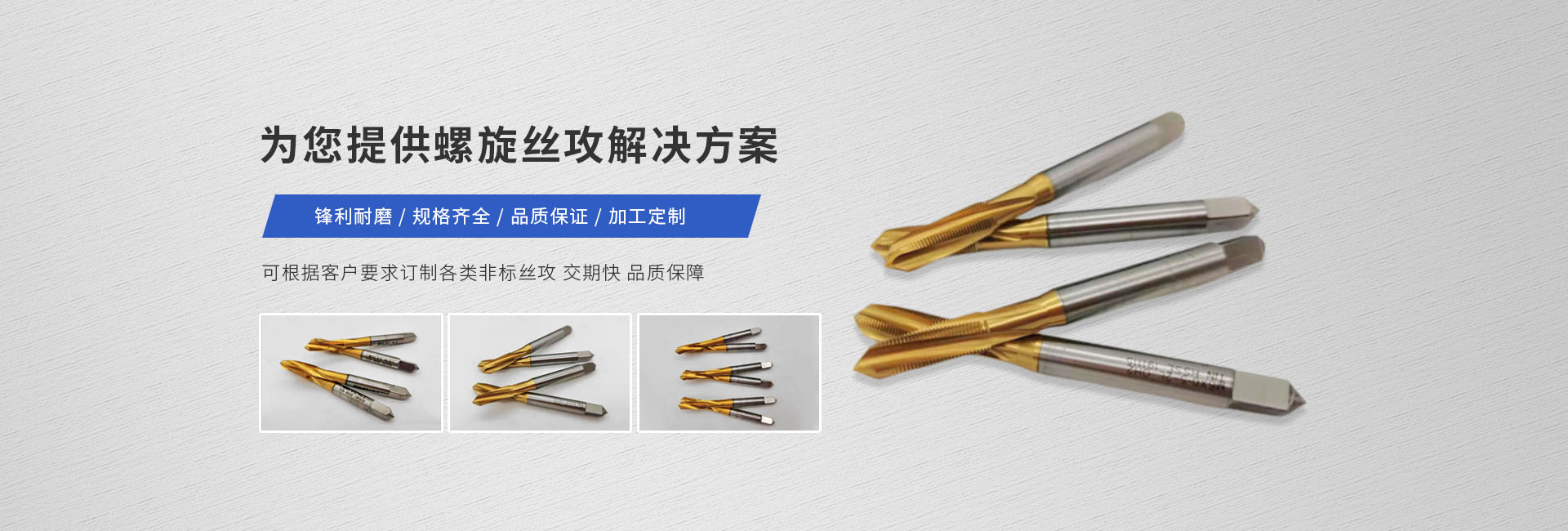
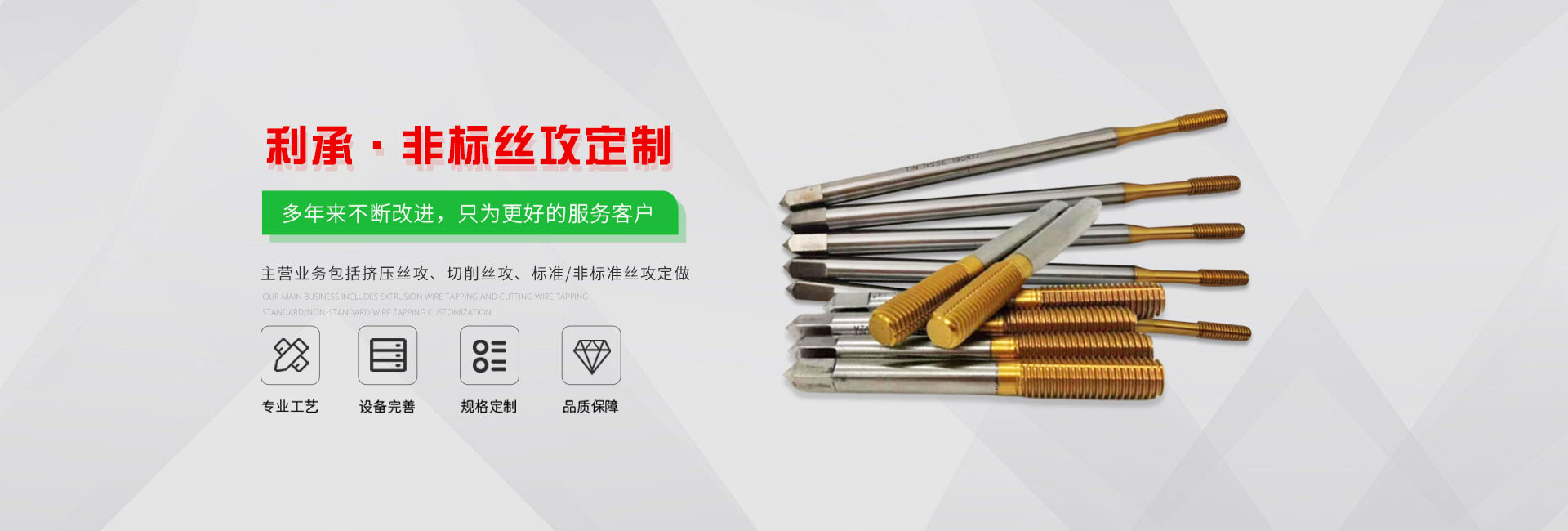
The standard thread form has a flat top and bottom, which is widely used in applications. Its main advantage is the simple structure of the thread form, and the good thread-cutting performance of the tap. However, the disadvantages include sharp angles at the top and bottom of the tap threads, which can cause stress concentration during use, reducing the strength and fatigue resistance of the tap. Additionally, burrs are prone to form at the sharp angles, exacerbating coating peeling and tap wear.
In this case, it is possible to design the thread form of the tapping screw with a round top and bottom shape, thereby conforming to the national standard's tolerance and inspection requirements for general threads.
2) Removing incomplete teeth
In addition to optimizing the tooth design, the manufacturing process of extruded tap can also be correspondingly improved. Selecting the appropriate processing technology effectively removes the incomplete teeth at the front end of the extruded cone, which is crucial for enhancing the smoothness of the threaded holes, reducing threading torque, and extending the lifespan of the tap.
3) Passivation Polishing Treatment
The company has adopted a mechanical contact abrasive polishing method to钝ize and polish the surface of extrusion taps. The main process involves fully immersing the threaded portion of the tap into the abrasive powder, allowing the tap to rotate both internally and externally within the powder. By adjusting the rotation direction, speed, and duration, the tap achieves the desired polishing and钝ization. The polished and钝ized threaded portion of the tap is smoother, brighter, and free of burrs.
