
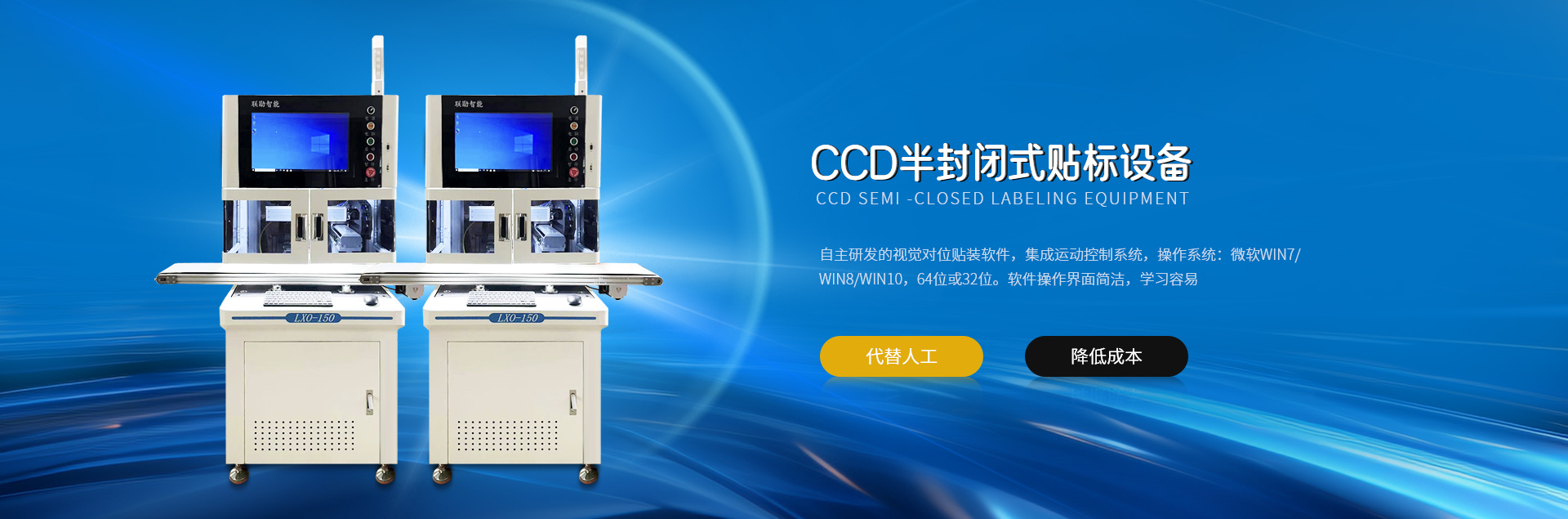
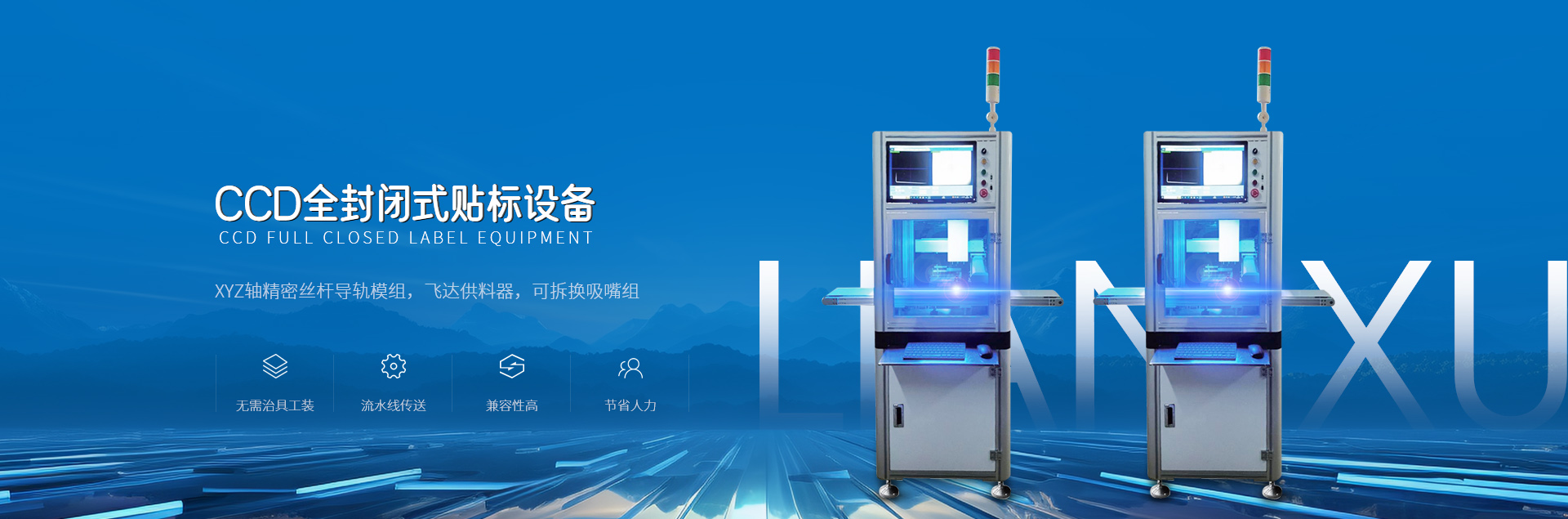


An automatic labeling machine is an automated device used to automatically apply labels, barcodes, or other types of markings to products or packaging. Its basic principle is to adhere paper or foil labels to specified packaging containers using adhesive.
During operation, the automatic labeling machine can handle various tasks such as flat labeling, single or multi-sided labeling of packaging materials, cylindrical labeling, partial or full coverage of cylindrical surfaces, and labeling of concave and corner areas. It typically includes mechanical systems such as drive wheels, labeling wheels, and reels. The drive wheels intermittently pull the label tape, which is pulled from the reel and passes through the labeling wheel, where it is pressed onto the product. The open-loop displacement control on the reel maintains the tension of the label tape, ensuring tight and continuous engagement and disengagement.
The automatic labeling machine is widely used in various industries such as food, beverages, electronics, and automotive, significantly enhancing production efficiency, reducing labor intensity, and improving product quality.
There are many types of automatic labeling machines, each with different functions, but they all share similar basic principles. Depending on various classification criteria such as the product's form, level of automation, labeling functions, container's running direction, labeling process characteristics, adhesive coating method, and label types, automatic labeling machines can be further subdivided into multiple types.
Overall, the automatic labeling machine is an essential automated equipment that aids in the automation and standardization of product packaging. For more information, it is recommended to consult with labeling machine manufacturers or relevant experts.
