
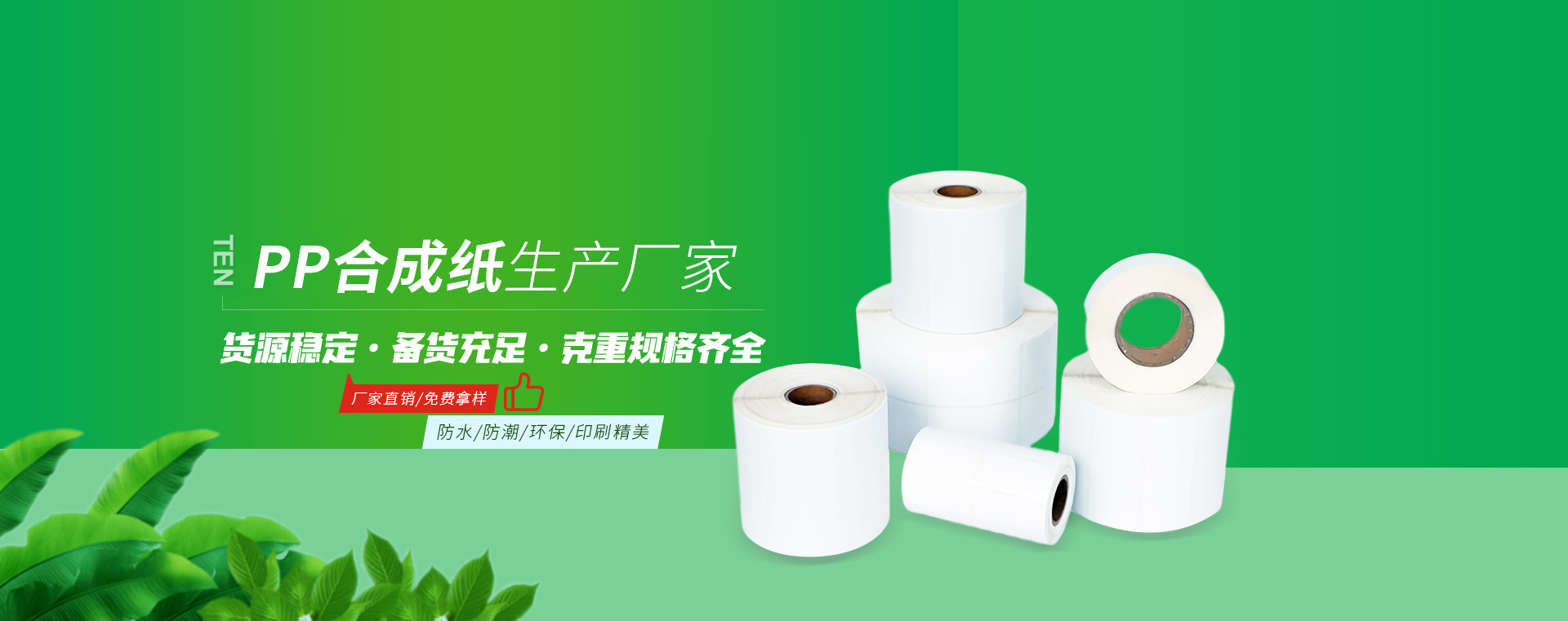

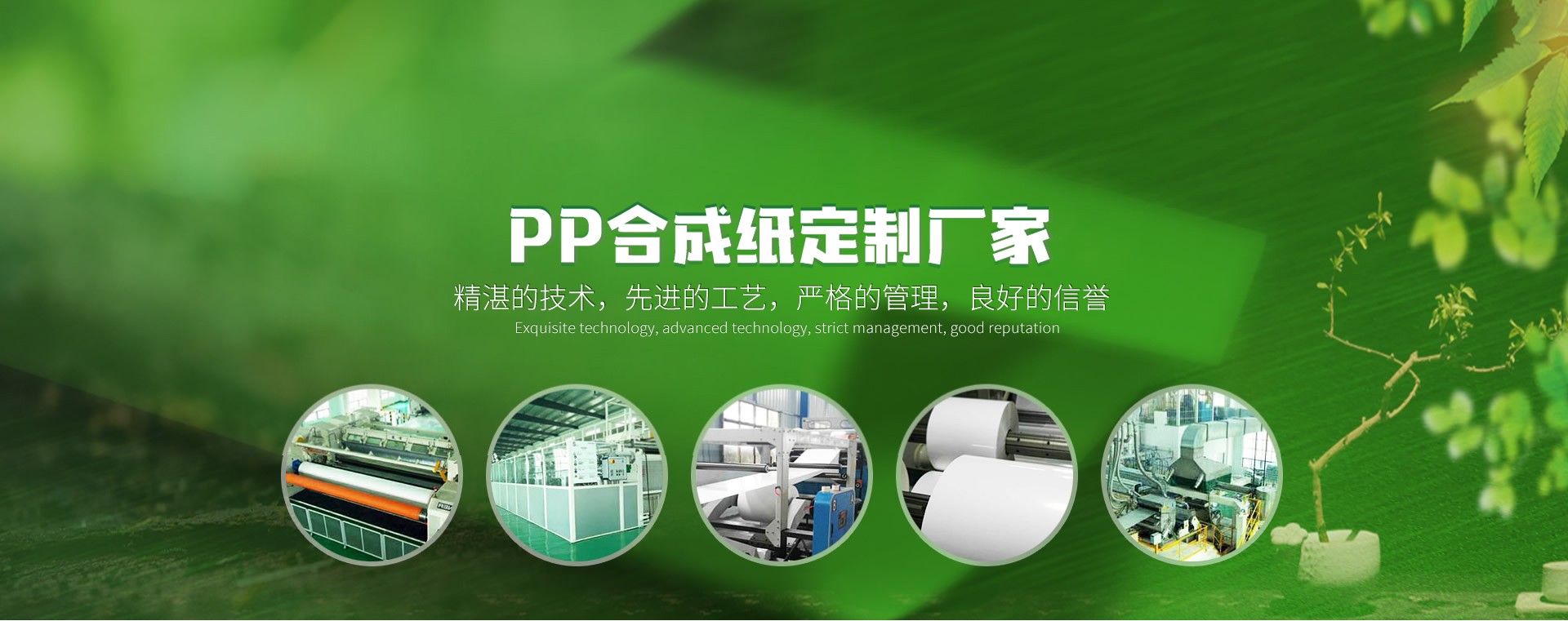

Synthetic paper boasts the printability of traditional paper, supporting processes like offset, flexo, screen, gravure, thermal transfer, and UV printing. No pre-treatment of the surface material is required (such as lamination or coating). Due to its non-absorbent nature to inks and waterproof qualities, the paper has excellent bonding properties, resulting in clear and vibrant printed graphics and colors. Synthetic paper printing offers good coverage and color brightness. As the paper is non-absorbent, all printing requires a drying process, with temperatures not exceeding 150°C. We recommend using thermal transfer and UV printing for the best results.
Before printing, synthetic paper is blown with a fan to facilitate easy separation between sheets. During the fall and winter seasons, static electricity is more prone to occur, so the environmental humidity during printing should be maintained above 50%, and static electricity elimination equipment can be used for static treatment to facilitate static generation during printing.
To prevent smudging of ink during synthetic paper printing, the standard drying time for printing is around 4-5 hours. UV printing can reduce this time. A thorough drying period of at least 12 hours is required before cutting, processing, and coating. Similarly, the use of electron beams and infrared rays can accelerate the drying process. Synthetic paper is adaptable to various processing methods, including cutting, piercing, slitting, drilling, embossing, folding, ring attachment, die-cutting, and hot-stamping.
Synthetic paper printing is primarily used for labels, maps, menus, manuals, cards, publications, packaging, stationery, and albums.
