
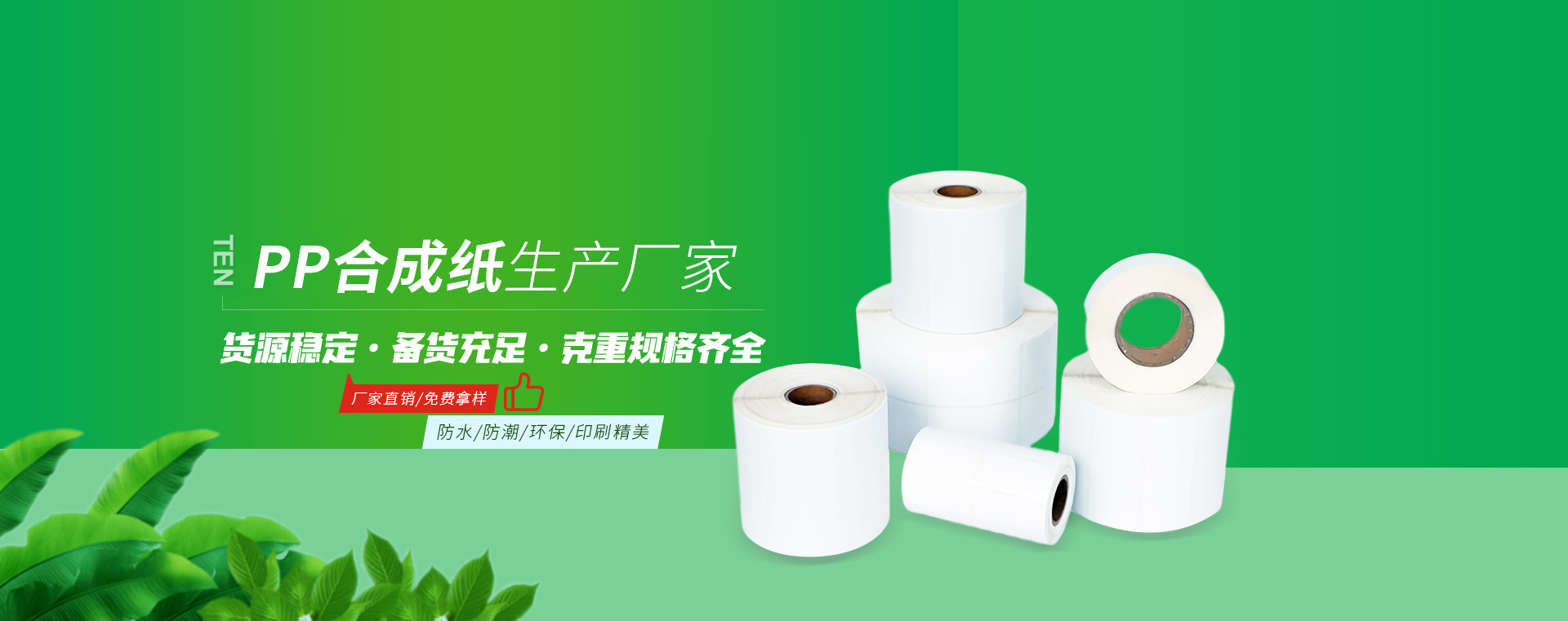

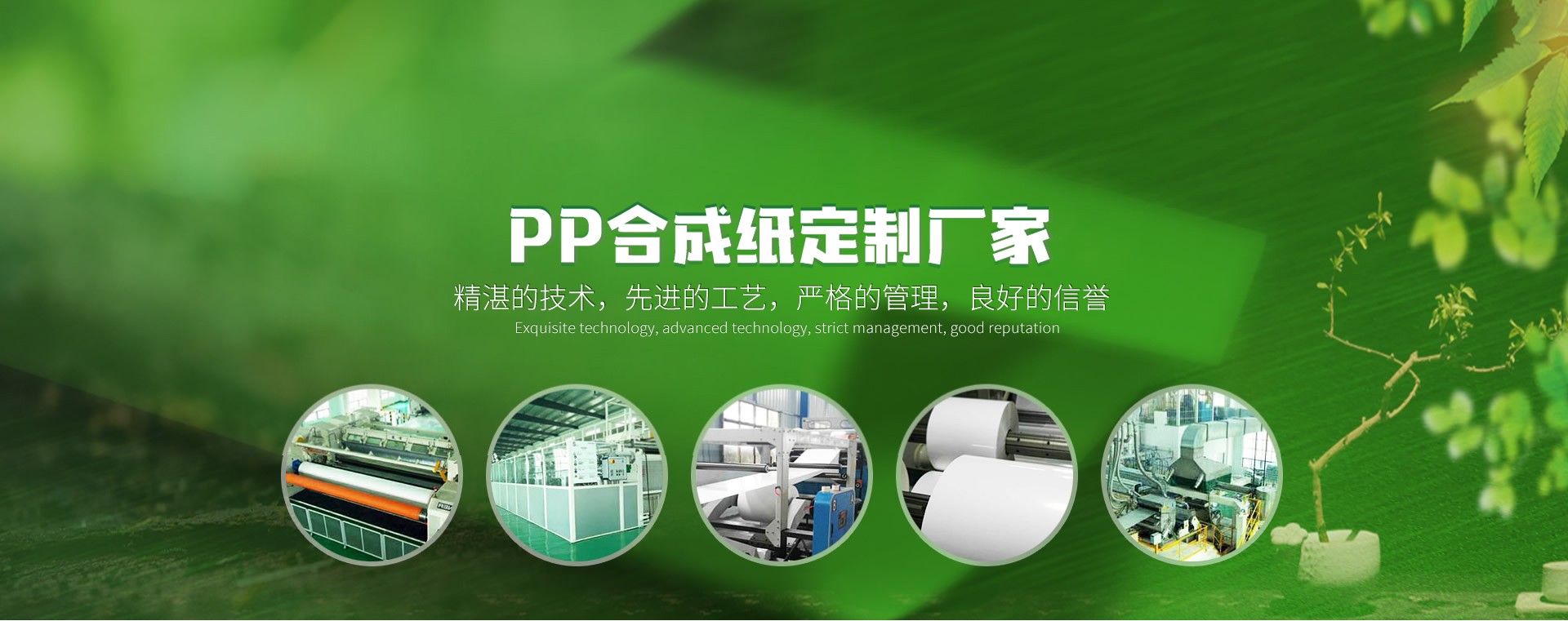

Many people are unaware of the materials used in some items we encounter in everyday life, such as certain waterproof labels, tear-resistant hangtags, insulating washers, waterproof publications, and some albums. They appear to be paper yet resemble plastic, being both waterproof and tear-resistant. In fact, they are products made from synthetic paper. But what is synthetic paper? What materials are used to make it? And how is it produced? Below, I will share my personal insights on the subject.
Synthetic paper, also known as chemical film paper, polymer paper, and plastic paper, is primarily made from organic resins such as polyethylene, polypropylene, and polystyrene. The manufacturing process involves first melting and extruding these resins to form a film, which is then stretched along different axes to create a thin membrane. Subsequently, the film is treated to become opaque and increase its brightness, resulting in the production of synthetic paper.
This paper boasts high tensile strength, is waterproof, termite-resistant, elastic, heat-insulating, dimensionally stable, and has a smooth surface, making it suitable for books, magazines, and printing. It is commonly used to produce fishing paper, nautical charts, punch cards, waterproof newspapers and magazines, record sleeves, product labels, outdoor advertisements, business cards, and more. Its drawback is that it has poor fold resistance, with stubborn creases that do not easily disappear after folding.
Synthetic paper is categorized by its production materials, including PP, PE, PS, PVC, PET, ABS synthetic papers, etc. It is also divided by its fillers into types filled with CaCO3, clay, SiO2, mica, TiO2, and composite types. The production methods include calendering, casting, blowing, and biaxial stretching. In terms of structure, it is classified into single-layer, three-layer, and five-layer synthetic papers, among others.
The representative synthetic papers in China are the Chao Ran PP Synthetic Paper and Chao Ran PE Synthetic Paper, collectively known as Chao Ran Synthetic Papers. Chao Ran Synthetic Paper: Chinese Patent No.: ZL98 1 15139.6, Main International Classification No.: CO8L23/06. Chao Ran Synthetic Paper provides ROHS certification, making it an environmentally friendly synthetic paper that can be in direct contact with food.
